Showing 24 artworks out of 73 with Katsushika Hokusai and with Woodblock Printing
-
Katsushika Hokusai
-
Woodblock Printing
Not available for this selection
- Putty
- Rosy Brown
- Espresso
- Gray
- Driftwood
- Phthalo Green
- Prussian Blue
- Quinacridone Magenta
- Khaki
- White
- Woodblock Printing
- Japanese Art
- Ukiyo-E Print
- Landscape Painting
- Japanese Landscape
- Fine Art Reproduction
- Edo Period Art
- Katsushika Hokusai
- Hokusai
- Impressionism Influence
- Edo Period
- Japanese Culture
- Traditional Japanese
- Hokusai Print
- Hokusai Masterpiece
- Japanese Painting
- Japanese Aesthetics
- Nineteenth Century Art
- Edo Period Painting
- Impressionist Influence
- Traditional Japanese Art
- Scenic View
- Tranquility
- Hokusai Woodblock
- Mount Fuji
- Hokusai Artwork
- Ukiyo-E
- Traditional Art
- Symbolic Imagery
- Fine Art Print
- Hokusai Ukiyo-E
- Zen Landscape
- Japanese Art Prints
- Panoramic View
- Japanese Folklore
- Japanese Landscape Art
- Japanese Tradition
- Great Wave Kanagawa
- Landscape Art
- Fuji Mountain Art
- Landscape Print
- Monochrome Print
- Ukiyo-E Print Art
- Hokusai Prints
- Ukiyo-E Style
- Watercolor Technique
- Classic Artwork
- Serene Composition
- Serene Scene
- Hokusai Painting
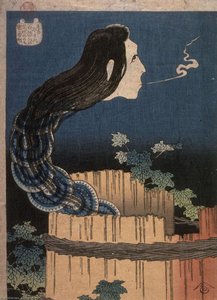
This print, titled "The Mansion of the Plates (Sara yashiki)" from Hokusai's renowned One Hundred Ghost Tales series (1831–32), portrays Okiku’s vengeful spirit haunting her former employer. Executed in vibrant Prussian blue pigment—a color symbolizing death and occultism—the artwork captures a chilling tale of retribution. Produced by Kuroda Bakufu, this exquisite chuban exemplifies Hokusai's mas
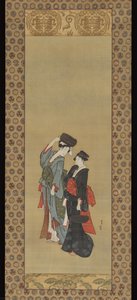
Deluxe silk reproduction captures Hokusai’s sensual Bijinga style—two women carrying pots for the Tsukuma Festival—a masterful blend of woodblock printing and hand painting from 1806/07, showcasing Edo-period artistry.
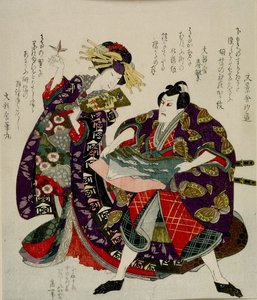
--- The artwork, titled “Kabuki Actors Ichikawa Danjūrô,” showcases two women performing a dance or theatrical scene—one holding a fan and the other a fish—attributed to Katsushika Hokusai (1760-1849). Created during the Edo period, this antique print exemplifies Hokusai’s signature style of ukiyo-e, particularly his monumental series *Thirty-Six Views of Mount Fuji*. The image depicts Ichikawa D
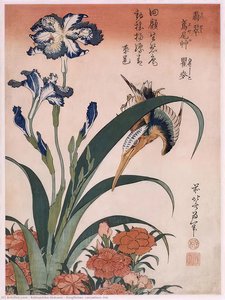
Discover Katsushika Hokusai’s ‘Kingfisher, Carnation, Iris’! A stunning Ukiyo-e print showcasing nature & Japanese artistry. Explore its details & symbolism.
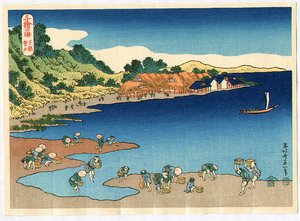
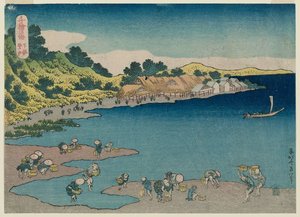
Explore Katsushika Hokusai's "Noborito - Chie No Umi," a stunning depiction of fishermen battling turbulent seas, showcasing masterful woodblock printing and reflecting Impressionist influences.
This artwork, ‘Noborito In Shimōsa Province,’ exemplifies Katsushika Hokusai’s mastery of ukiyo-e prints. Executed around 1833 during the Edo period, it depicts a lively beach scene featuring fishermen and individuals enjoying the ocean's beauty. Published by Moriya Jihei (Kinshindô), this horizontal chûban print showcases meticulous ink and color techniques on paper. Recognized as one of Hokusai’
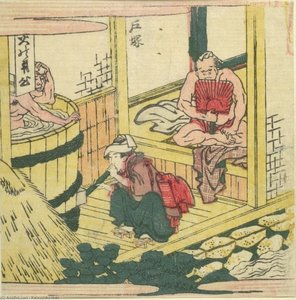
Experience the serene beauty of Hokusai’s *Two Men Taking A Bath*, capturing a tranquil moment in Edo-period Japan with masterful woodblock printing and evocative depictions of everyday life – explore exquisite reproductions today.
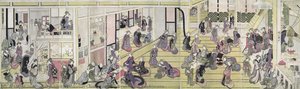
Delve into the mesmerizing world of Katsushika Hokusai's 'Interior of a Brothel in Yoshiwara,' a captivating Edo-era print showcasing vibrant social life and artistic brilliance. Explore its history & stunning reproductions.
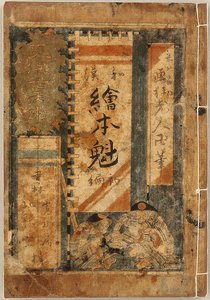
Delve into the contemplative beauty of Katsushika Hokusai’s ‘Wakan E-hon Sakigake,’ capturing a serene moment with figures and books—a testament to his masterful observation of nature and human connection.
Umazukushi Komashobu is a stunning ukiyo-e print by Katsushika Hokusai depicting a woman holding a fan adorned with birds. Created around 1822, this masterpiece exemplifies Hokusai's masterful technique and enduring influence on Western art.
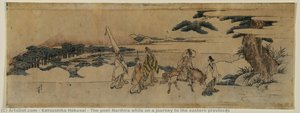
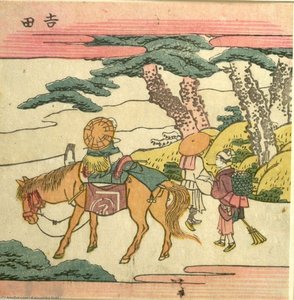
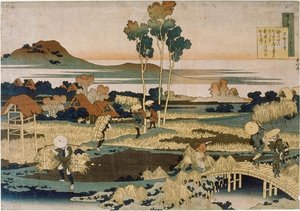
Experience the serene beauty of Katsushika Hokusai's 'Farmers Traveling Yoshida,' a captivating woodblock print depicting riders on horseback amidst lush landscapes and soaring birds – a masterpiece of Japanese art.
Experience the serene beauty of Katsushika Hokusai's 'Travelers By The Lake Biwa,' part of the iconic Fifty-Three Stations series! Explore Japanese art history and discover its influence.
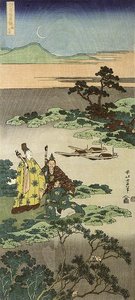
Hokusai Experience the breathtaking beauty of Katsushika Hokusai's 'Minamoto No Toru,' a masterful landscape print capturing samurai adventure amidst serene mountains and flowing water – inspired by Impressionism.
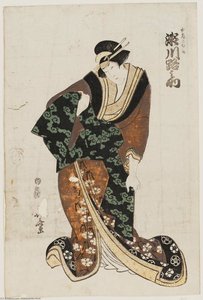
Katsushika Hokusai Actor Segawa Michinosuke as Yoshibei's Wife Komume Tokyo Japan 1760 1849 This captivating woodblock print portrays a woman dressed as a geisha, adorned with a fan and bowl, reflecting the elegance of Edo-period Japan. Hokusai's masterful technique and detailed depiction showcase his profound understanding of artistic expression. March 1807 Actor Segawa Michinosuke As Yos
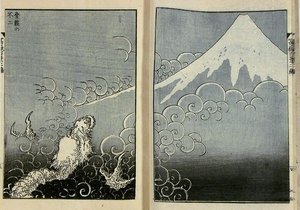
'Dragon ascending Mount Fuji' by Katsushika Hokusai exemplifies ukiyo-e artistry, showcasing dynamic landscapes and symbolic imagery. Explore its influence on Western art and delve into the life of this influential Japanese master. Experience the majesty of Mount Fuji through Katsushika Hokusai’s iconic ‘Dragon ascending Mount Fuji,’ a masterful woodblock print capturing Japan's Edo period beauty
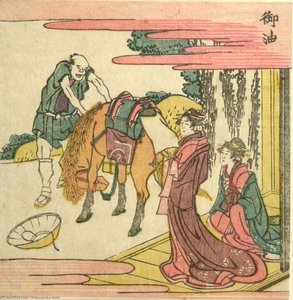
This stunning woodblock print depicts two courtesans respectfully acknowledging a man accompanied by a horse, capturing the essence of Edo period Japan. Created in 1810 by Hokusai, it exemplifies his mastery of landscape artistry and remains a celebrated masterpiece.
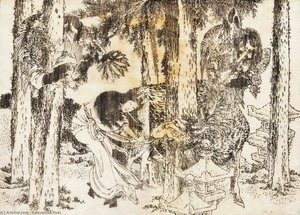
This captivating woodblock print by Katsushika Hokusai portrays a woman performing a solemn cursing ritual ceremony within a dense pine forest, accompanied by samurai figures. The meticulous detail captures the spiritual essence of Ukiyo-e art, reflecting beliefs about nature and shamanic practices prevalent in Edo period Japan. Observe the symbolism of the boar and the serene atmosphere created t
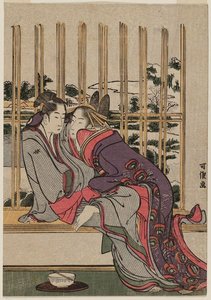
This evocative woodblock print by Katsushika Hokusai depicts two women sharing a quiet intimacy on a bench, symbolizing enduring affection. Inspired by the Eight Views of Tragic Lovers series, it showcases Hokusai's signature style—detailed observation and expressive composition—reflecting his profound influence on Western art movements like Impressionism. Delve into the poignant beauty of Katsus
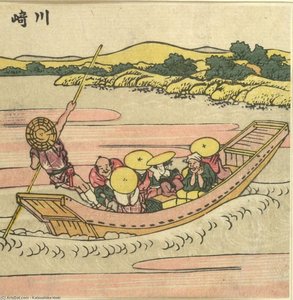
Katsushika Hokusai's ‘Tama River in Musashi Province,’ from his celebrated Thirty-Six Views of Mount Fuji series, exemplifies Edo Period artistry. This captivating woodblock print depicts travelers on a ferry crossing Tama River, featuring prominent umbrellas and distant Mount Fuji—a testament to Hokusai’s skill and enduring influence.