Showing 14 artworks with Katsushika Hokusai and with Zen Aesthetic
-
Katsushika Hokusai
-
Zen Aesthetic
Not available for this selection
- Putty
- Driftwood
- Espresso
- Rosy Brown
- Sea Green
- Khaki
Not available for this selection
- Zen Aesthetic
- Japanese Art
- Fine Art Reproduction
- Japanese Culture
- Landscape Painting
- Symbolic Imagery
- Hokusai Masterpiece
- Traditional Japanese Art
- Edo Period Art
- Watercolor Style
- Edo Period Painting
- Serene Composition
- Serene Scene
- Japanese Landscape
- Hokusai Print
- Ukiyo-E Print
- Vintage Print
- Japanese Landscape Art
- Nineteenth Century Art
- Mount Fuji
- Hokusai
- Woodblock Printing
- Kanagawa Wave Influence
- Hokusai Painting
- Watercolor Technique
- Quiet Reflection
- Ume No Yoshibei Role
- Traditional Costume
- Ukiyo-E
- Decorative Arts
- Serigraphy Technique
- Japanese Samurai Art
- Nature Inspiration
- Home Decor
- Landscape Art
- Japanese Painting
- Young Woman Portrait
- Detailed Reproduction
- Impressionistic Style
- Great Wave Kanagawa
- Contemplative Artwork
- Fine Art Decor
- Floral Painting
- Floral Still Life
- Japanese Prints
- Printmaking
- Bird Observation
- Red Outfit Art
- Man With Brushes
- Ink Grinding Technique
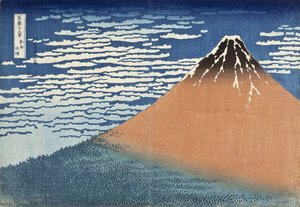
Experience Hokusai’s breathtaking *South Wind*, Clear Dawn – a masterful woodblock print capturing Mount Fuji's sublime majesty during Edo Japan’s golden age. Admire the vibrant Prussian blue and intricate detail, inviting you to explore this iconic masterpiece.
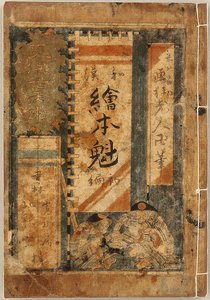
Delve into the contemplative beauty of Katsushika Hokusai’s ‘Wakan E-hon Sakigake,’ capturing a serene moment with figures and books—a testament to his masterful observation of nature and human connection.
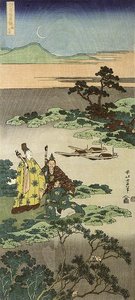
Hokusai Experience the breathtaking beauty of Katsushika Hokusai's 'Minamoto No Toru,' a masterful landscape print capturing samurai adventure amidst serene mountains and flowing water – inspired by Impressionism.
Captured in Hokusai’s masterful Ukiyo-e style during the Edo period, ‘Boy’ portrays a boy before an umbrella—a symbol of resilience—against Mount Fuji's grandeur. Explore this evocative print and bring timeless beauty into your home.
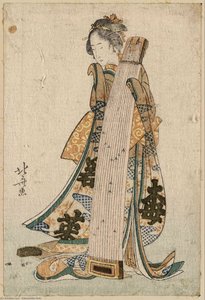
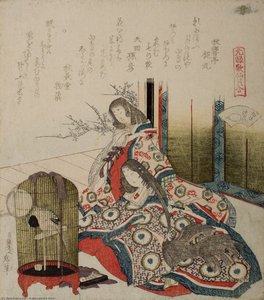
Hokusai Experience the serene beauty of Katsushika Hokusai's 'Court Ladies With Caged Pheasant,' a captivating glimpse into Edo-period Japan through exquisite ukiyo-e artistry and symbolic detail.
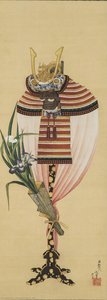
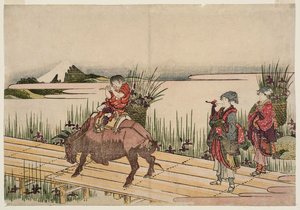
Hokusai Experience the serene beauty of Katsushika Hokusai's 'Two Women And A Herdboy On An Ox With Baskets Of Iris.' Admire the vibrant colors and masterful composition capturing Japanese landscape art.
The Fuji T-1 Hatsutaka was Japan's first jet-powered trainer aircraft. Its first flight was in January 1958. A total of 66 T-1 planes were built. It was retired in March 2006. == Design and development == After World War II, Japanese aircraft industry was banned from research as well as the destruction of materials and equipment related to aircraft. In 1952, a partial ban on aircraft research wa
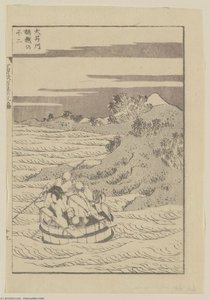
Hokusai’s ‘Viewing Mount Fuji From A Bucket Boat Going Down The River Oi.’ exemplifies his signature style—a harmonious blend of observation and expressive brushwork—capturing the essence of Edo-period Japan. This captivating woodblock print by Katsushika Hokusai depicts a serene scene featuring individuals navigating a tub along the River Oi, framed against the breathtaking backdrop of Mount Fuj
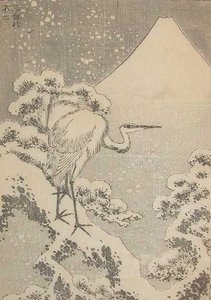
Hokusai Admire Katsushika Hokusai's serene 'Three Whites,' a captivating black and white print depicting a solitary bird overlooking snowy mountains – a timeless symbol of contemplation.
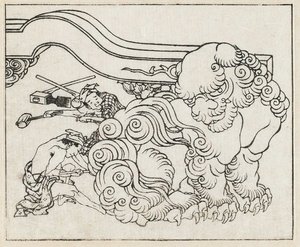
Katsushika Hokusai Delve into the captivating world of Katsushika Hokusai with this stunning black and white drawing! Admire the meticulous detail capturing a man painting amidst serene landscapes and loyal dogs.
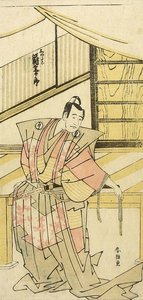
Hokusai Experience the captivating artistry of Katsushika Hokusai's 'Actor Sawamura Sôjûrô As Shigetada,' a masterful depiction of Japanese theater and culture, reproduced with exceptional detail.
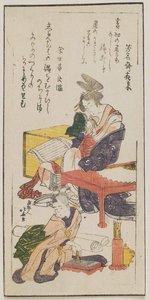
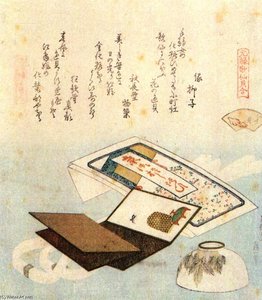
This artwork showcases Katsushika Hokusai’s masterful technique in Ukiyo-E printing. The composition centers around a bowl adorned with lip rouge, accompanied by meticulously arranged books—likely Chinese or Japanese texts—and a vase subtly hinting at Mount Fuji's grandeur. Hokusai’s dedication to artistic exploration is evident in this evocative depiction of tranquility and refined aesthetic sens