Showing 6 artworks with Katsushika Hokusai and with Japanese Ukiyo-E Tradition
-
Katsushika Hokusai
-
Japanese Ukiyo-E Tradition
Not available for this selection
- Espresso
- Gray
- Driftwood
- Celadon
- Rosy Brown
- Putty
Not available for this selection
- Japanese Art
- Hokusai
- Ukiyo-E
- Japanese Prints
- Ukiyo-E Print
- Fine Art Reproduction
- Edo Period
- Watercolor
- Landscape Painting
- Nakamura Noshio Ii
- Color Woodblock Print
- Edo Period Artwork
- Hand-Painted Japanese Art
- Iconic Print
- 19Th Century Art
- Nagaban Technique
- 1832 Art
- Noh Theatre
- Japanese Folklore
- Decorative Arts
- Dynamic Composition
- Japanese Landscape Art
- Traditional Theater
- Decorative Art
- Chinese Princess Role
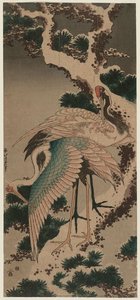
Discover 'Cranes On Snowladen Pine,' a traditional East Asian ink and watercolor artwork showcasing elegant cranes amidst a serene winter landscape. Perfect for art collectors seeking harmony, longevity, and cultural beauty.
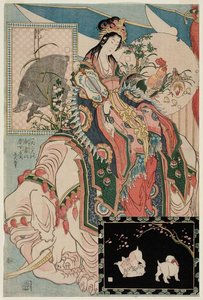
Katsushika Ōi (葛飾 お栄), daughter of the renowned Hokusai, was a prolific ukiyo-e artist who honed her skills under Torin III and collaborated closely with her father on numerous projects. Known for her exquisite bijin-ga paintings depicting idealized female figures—such as *Kinuta or Beauty Fulling Cloth in the Moonlight*, *Yoshiwara Night Scene*, and *Mount Fuji through a Bamboo Forest*—Ōi achieve
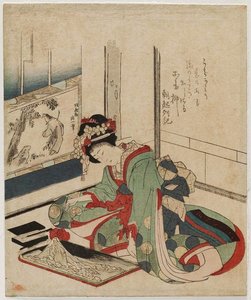
Explore Katsushika Hokusai's masterpiece, 'Woman Making A Bonseki,' capturing serene contemplation amidst traditional Japanese decor and highlighting the artist’s enduring influence on art history.
Hokusai's work profoundly impacted Impressionism and continues to inspire artists today. This Noh play explores the clash between Japanese and Chinese poetic traditions, reflecting broader cultural anxieties about maintaining national identity. Executed as a color woodblock print using the nagaban technique, this artwork showcases Hokusai’s meticulous attention to detail and masterful compositio
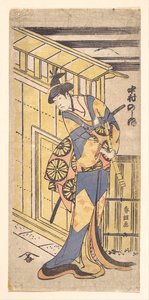
This exquisite woodblock print by Katsushika Hokusai depicts Nakamura Noshio II in a dramatic pose as a Chinese princess, showcasing masterful composition and color palettes characteristic of Edo-period art. The scene unfolds within a stylized architectural backdrop reminiscent of traditional Japanese theater stages, emphasizing the artist's keen observation of both performance and visual aestheti