Showing 19 artworks out of 43 with Kazimir Malevich

-
Kazimir Malevich
Not available for this selection
- Phthalo Green
- Espresso
- Putty
- Gray
- Bronze
- Brown
- Driftwood
- Black
- Royal Blue
- Steel Blue
- Sap Green
- Quinacridone Magenta
- Mahogany
- Clay
- Celadon
- Blush
- Rosy Brown
- Khaki
- Coral
- White
- Suprematism
- Kazimir Malevich
- Malevich
- Abstract Art
- Geometric Abstraction
- Russian Art
- Modern Art
- Abstract Painting
- Geometric Art
- Russian Avant-Garde
- Gift Idea
- Ukrainian Artist
- Art Reproduction
- Wall Hanging
- Art Collector
- Wall Art
- Canvas Print
- Modern Decor
- Malevich Artwork
- Cubism Influence
- Living Room Decor
- Home Decor
- Gift For Artist
- Geometric Composition
- Early 20Th Century Art
- Avant-Garde
- Contemporary Art
- Cubo-Futurism
- Cubism
- Minimalist Art
- Early Abstraction
- Rural Landscape
- Malevich Painting
- Bold Colors
- Ukrainian Art
- Minimalist Design
- Neo Suprematism
- Geometric Shapes
- Fine Art Print
- Portrait
- Art Collector Gift
- Abstract Landscape
- Fine Art Reproduction
- Peasant Life
- Geometric Painting
- Composition Viii
- Dynamic Composition
- Geometric Forms
- Figure Painting
- Female Figures
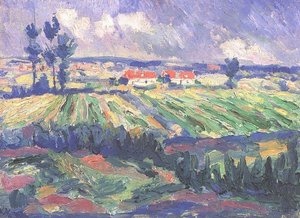
Kazimir Malevich’s vibrant 'Fields' captures the essence of Suprematism—a bold exploration of geometric abstraction—amidst a tranquil Ukrainian landscape. This stunning 25x35 cm reproduction showcases Malevich’s pioneering vision, inviting you to bring artistic brilliance into your home.
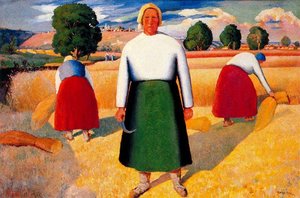
Kazimir Malevich’s ‘Reapers’ (1929) exemplifies Suprematism, prioritizing pure geometric abstraction while subtly referencing Ukrainian folk traditions. This painting portrays three women harvesting crops against a dramatic sky, utilizing simplified shapes and expressive colors to convey the essence of rural toil. Explore its influence on 20th-century art through WikiArt and Artchive.
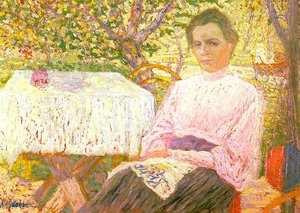
Portrait of a Member of the Artist's Family by Kazimir Malevich (1906). This serene depiction captures a woman lost in contemplation at a table adorned with a vase and book, embodying Malevich’s pioneering approach to abstract art – calm, elegant, and profoundly expressive.
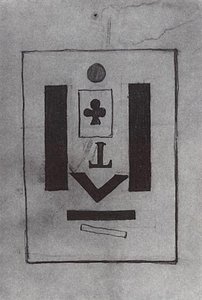
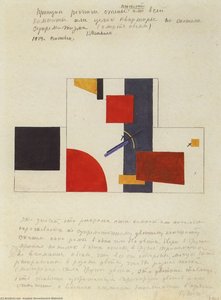
Kazimir Malevich’s striking geometric masterpiece, ‘The Principle of Painting the Walls,’ embodies Suprematism's radical rejection of illusionism. This 1920 painting showcases concentric circles and squares against a backdrop of clocks—a bold exploration of abstraction from the influential Russian avant-garde.
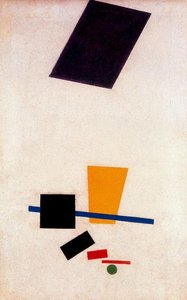
Kazimir Malevich's monumental 'Composition VIII' embodies Suprematism, prioritizing geometric abstraction over visual illusion. Explore the bold colors and simplified forms of this iconic 1928 painting.
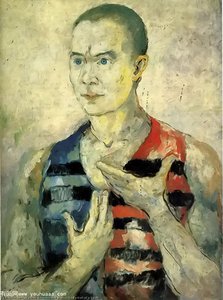
Kazimir Malevich’s striking portrait captures youthful energy through bold abstraction—a pivotal piece from 1933 reflecting the Suprematism movement's revolutionary style. Explore this iconic artwork and bring its timeless beauty into your home.
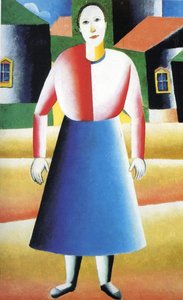
Kazimir Malevich’s Neo-Suprematism masterpiece captures a serene portrait amidst rural architecture—a bold exploration of geometric abstraction reflecting the artist's pioneering vision and inviting viewers to experience timeless beauty.
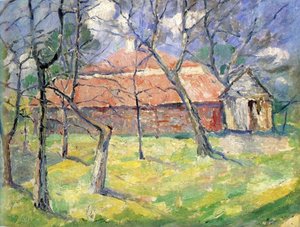
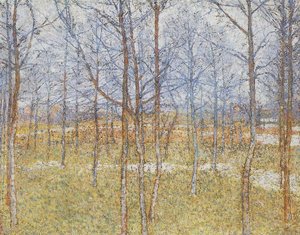
Kazimir Malevich’s serene landscape near Kyiv embodies Impressionism's evocative beauty—a solitary figure observes the tranquil scene of a brick building and lush trees against a backdrop of rural Ukraine, inviting you to experience this timeless masterpiece.
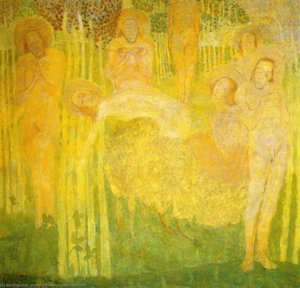
Delve into Kazimir Malevich's 'Sketch for Fresco,' a Symbolist masterpiece capturing serene contemplation amidst nude figures—a pivotal piece reflecting influences from Fauvist and Cubism.
Kazimir Malevich's 'Composition VIII,' painted in 1935, embodies Suprematism—a radical abstraction prioritizing geometric forms like squares and circles over recognizable imagery. Its stark simplicity reflects Malevich’s belief in art as pure intellect.
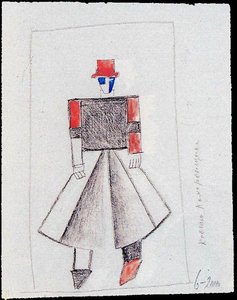
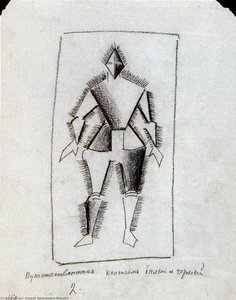
Kazimir Malevich’s “Traveler” (1913) is an early exploration into abstract art, showcasing angular shapes in grayscale on aged paper. Influenced by Cubism and Impressionism, it exemplifies Malevich’s pioneering approach to geometric abstraction—a precursor to his Suprematist movement's bold simplification of form.
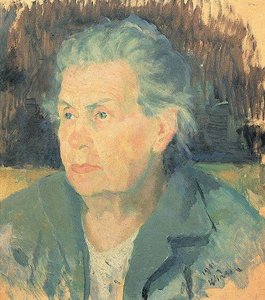
Kazimir Malevich’s contemplative Portrait of Mother embodies Suprematism's bold abstraction—a serene depiction of an older woman amidst distant trees—capturing timeless wisdom and inviting you to explore this iconic piece.
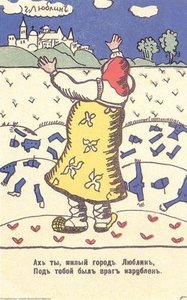
“Oh, my dear city of Lublin” was created in 1914 by Kazimir Malevich in Naïve Art (Primitivism) style. Find more prominent pieces of poster at Wikiart.org – best visual art database.
Kazimir Malevich’s striking abstract landscape captures serene beauty with bold geometric forms—a cornerstone of Suprematism. Explore this iconic piece from the 1930s and bring a touch of modernist art into your home.
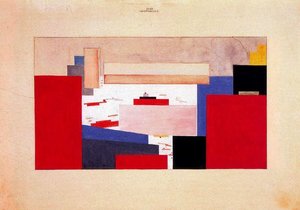
Kazimir Malevich’s Suprematism Study for a Curtain captures the essence of abstract expressionism with its bold red backdrop and simplified geometric forms—a seminal piece from the Russian avant-garde movement exploring pure visual sensation. Discover this iconic artwork and bring its timeless beauty into your home.
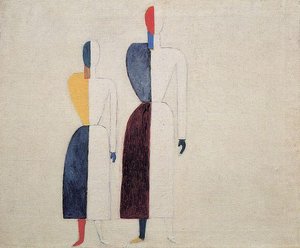
Kazimir Malevich’s Suprematist masterpiece ‘Two Figures’ captures the essence of geometric abstraction—a bold exploration of form and color against a serene backdrop. This iconic painting exemplifies Russian avant-garde art from the 1930s, inviting viewers to contemplate its timeless beauty.
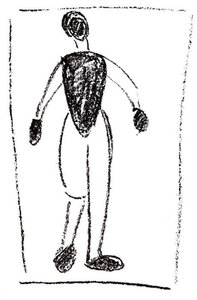
Explore Kazimir Malevich's minimalist masterpiece – ‘Standing Figure.’ This stark black and white Suprematist depiction prioritizes geometric forms, embodying austerity and exploring fundamental abstraction.