Showing 6 artworks with Leonardo Da Vinci and with 1490 and with High Renaissance
-
Leonardo Da Vinci
-
1490
-
High Renaissance
Not available for this selection
- Phthalo Green
- Putty
- Quinacridone Magenta
- Rosy Brown
- High Renaissance
- Leonardo Da Vinci
- Renaissance Art
- Italian Art
- Sfumato
- 15Th Century
- Hermitage Museum
- Madonna Litta
- Portrait
- Da Vinci Painting
- Anatomy
- Fine Art
- Italian Painting
- Drawing
- Mary
- Detail
- Elegance
- Realism
- Head Portrait
- La Belle Ferronniere
- Humanism
- Pen And Ink
- Blue And Red Colors
- Silverpoint Drawing
- Jesus Christ
- Human Proportions
- Christ Child Art
- Beauty
- Red Dress
- Mystery
- Blurred Background
- Gallerie Dell'Accademia
- Elegant
- Venice
- Metropolitan Museum
- Anatomical Study
- Renaissance
- Devotion
- Virgin Mary Art
- Classicism
- Louvre Museum
- Italian Art History
- Facial Expression
- Woman'S Head
- Louvre
- Oil Painting
- Gold Trim
- Contemplative
- Woman
- Profile View
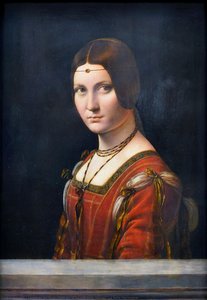
Admire Leonardo da Vinci's enigmatic 'La Belle Ferronnière,' a captivating portrait of an unknown woman from the High Renaissance, showcasing his masterful sfumato technique and exquisite detail.
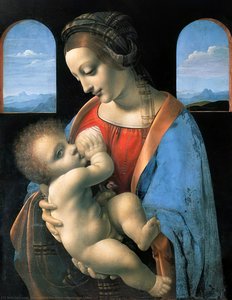
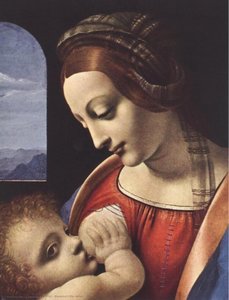
Discover Leonardo da Vinci’s Madonna Litta – a serene Renaissance masterpiece! Explore its exquisite detail, symbolism & historical significance at The Hermitage Museum.
Explore Leonardo da Vinci's 'Madonna Litta,' a Renaissance masterpiece showcasing his revolutionary sfumato technique and humanist ideals. Witness Mary's tender gaze & divine grace in this iconic painting from The Hermitage.
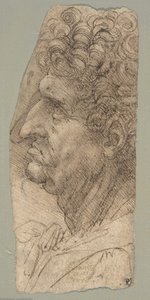
Leonardo da Vinci's 'Head of a Man Facing to the Left' (1490) - A captivating pen drawing showcasing masterful anatomy and subtle emotion, now at the Metropolitan Museum of Art.
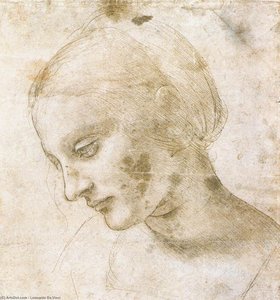
Leonardo da Vinci's 'Study of a Woman's Head' (c.1490) is a silverpoint drawing showcasing his mastery of anatomy and expression, housed at the Louvre.
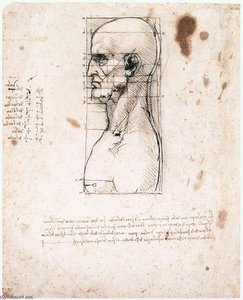
Leonardo da Vinci's 'Male Head in Profile' exemplifies Renaissance anatomical precision. This 1490 masterpiece, housed at the Gallerie dell'Accademia, showcases sfumato and Da Vinci’s profound understanding of human proportions.