Showing 4 artworks with Lucas Cranach The Elder and with 1530 and with Portraiture
-
Lucas Cranach The Elder
-
1530
-
Portraiture
Not available for this selection
- Black
- Phthalo Green
- Espresso
- Putty
Not available for this selection
- Portraiture
- Renaissance Art
- Lucas Cranach
- Fine Art Print
- German Painting
- Religious Iconography
- Wall Hanging Decor
- German Art History
- Luther Reformation
- Museum Budapest
- Hungarian Museum
- Renaissance Painting
- Saxony Electorate
- Mythological Painting
- Apollo Diana
- Wall Decor Artwork
- Medieval Symbolism
- Classical Mythology
- Protestant Reformation
- Honeycomb Theft
- Art Collector
- Red Hat Portrait
- Saxon Art
- Forest Artwork
- Decorative Art
- Sfumato Technique
- Northern Renaissance
- German Art
- Love Allegory
- Salome Saint John
- Lucas Cranach Elder
- Head Portrait
- Saxon Art History
- Baroque Style
- Venus And Cupid
- Landscape Scene
- Mythology
- Classical Art
- John Baptist Depiction
- Red Hat Artwork
- Biblical Imagery
- Wall Decoration
- Biblical Painting
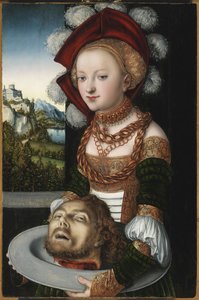
Lucas Cranach’s haunting depiction of Salome holds the severed head of Saint John the Baptist—a dramatic emblem of Reformation piety rendered in meticulous detail during the Renaissance period. Explore this iconic masterpiece and bring its timeless beauty into your home.
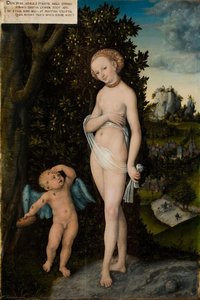
Lucas Cranach the Elder’s ‘Venus with Cupid Stealing Honey,’ painted around 1530, depicts Venus and Cupid amidst a lush forest landscape, inspired by Theocritus' poem about Cupid’s theft of honeycomb from bees. This masterful depiction explores themes of love, suffering, and divine judgment.
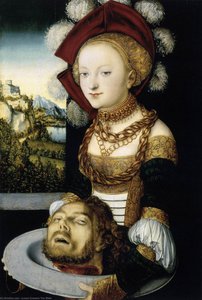
Lucas Cranach’s haunting ‘Salome,’ painted in 1530 during the Northern Renaissance, depicts a dramatic biblical scene—a woman presenting John the Baptist's severed head—infused with luminous color and sfumato technique. Explore this masterpiece at Budapest’s Museum of Fine Arts.
Lucas Cranach’s serene Landscape with Apollo and Diana captures the harmonious union of pagan gods amidst a tranquil Saxon forest setting—a masterpiece from 1530 reflecting Renaissance ideals.