Showing 24 artworks out of 33 with Lucas Cranach The Elder

-
Lucas Cranach The Elder
Not available for this selection
- Phthalo Green
- Espresso
- Rosy Brown
- Putty
- Black
- Driftwood
- Walnut
- Quinacridone Magenta
- Gray
- Clay
- Lucas Cranach
- German Renaissance
- Renaissance Art
- Lucas Cranach Elder
- Northern Renaissance
- Mythology
- Renaissance Painting
- German Art
- Renaissance
- Portraiture
- Symbolism
- 16Th Century Art
- Classical Mythology
- Painting
- Oil Painting
- Classical Art
- Art
- Cranach
- Northern Renaissance Art
- Fine Art Print
- Oil On Panel
- German Renaissance Art
- Gift For Art Lovers
- Portrait
- Classical Beauty
- Art For Living Room
- Wall Decor Artwork
- Mythological Scene
- Honeycomb Symbolism
- Mythology Painting
- Elegant Decor
- Biblical
- 16Th Century
- Oil Painting Reproduction
- Oil On Panel Art
- Saxon Art
- Detail
- German
- Renaissance Art Print
- Decorative Art
- Religious Art
- German Renaissance Decor
- Mythology Scene
- Color
- Venus And Cupid
- Religious Iconography
- Historical Art Print
- Wall Hanging
- Nude Figure Art
- Reformation Art
Considered one of Cranach’s finest achievements, this artwork showcases his dedication to capturing psychological nuance alongside technical brilliance.
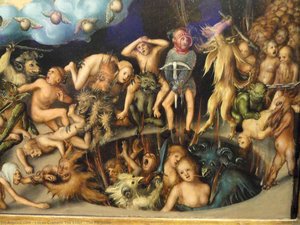
Lucas Cranach the Elder's "The Paradise" (1530) depicts a biblical scene with striking figures and vibrant colors, showcasing the artist’s mastery of religious art & Renaissance detail.
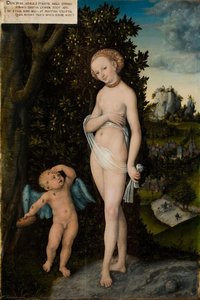
Lucas Cranach's 'Cupid Complaining to Venus' depicts a playful moral scene: Cupid’s stung by bees, challenging his mother’s indifference. Explore the painting’s symbolism and Renaissance artistry.
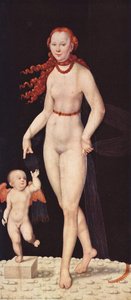
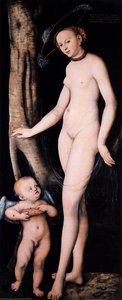
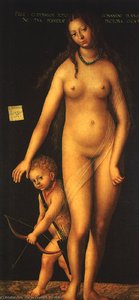
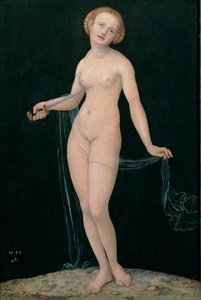
Lucas Cranach’s ‘Venus and Cupid’ captures a serene Renaissance moment with its masterful oil painting technique and iconic figures. This 1540 Northern Renaissance artwork, featuring Venus and Cupid, offers a timeless depiction of love and desire – discover this exquisite reproduction.
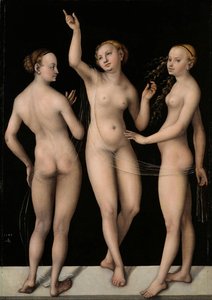
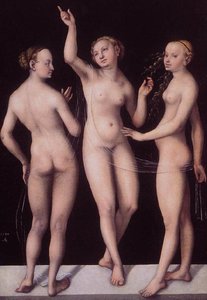
Lucas Cranach’s serene ‘Three Graces,’ painted circa 1535 during the Reformation, showcases breathtaking Renaissance realism and humanist ideals—three nude figures embodying joy and grace against a dark backdrop. Explore this masterpiece at Nelson-Atkins Museum of Art.
Experience the sensuality of Venus and Cupid with a Honeycomb by Lucas Cranach the Elder, a Northern Renaissance masterpiece; discover this timeless art today.
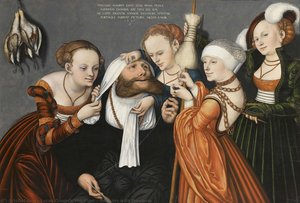
Lucas Cranach’s "Hercules with Omphale" (1548) depicts the legendary hero in a humbling act of servitude alongside Queen Omphale, showcasing masterful realism and idealized beauty from the German Renaissance. Explore this iconic tale of strength and vulnerability – discover or own a stunning reproduction.
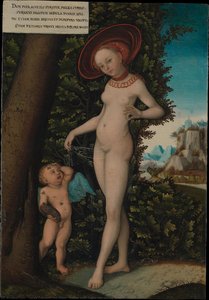
A captivating Renaissance scene of Venus and Cupid amidst a lush landscape by Lucas Cranach the Elder captures a moment of divine beauty and mythic tension that you can bring to your private collection.
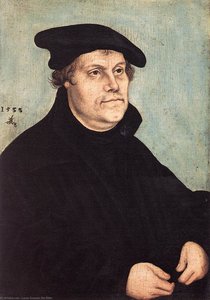
Witness the iconic 'Portrait of Martin Luther' by Lucas Cranach the Elder – a masterpiece capturing the reformer’s solemnity and embodying Northern Renaissance artistry. Explore faith, innovation & historical significance.
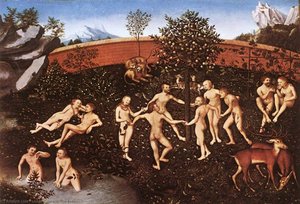
Lucas Cranach's 'The Golden Age' (1530) depicts nude figures celebrating life amidst a lush landscape, embodying Renaissance ideals and the mythical era of perfect harmony.
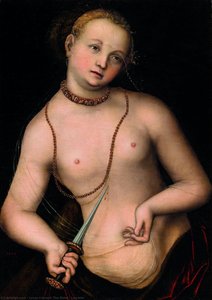
Lucas Cranach's "Lucretia" portrays Lucretia’s courageous act of suicide to protect her honor after Tarquin’s attempted rape, embodying Renaissance ideals of virtue and masterful chiaroscuro technique.
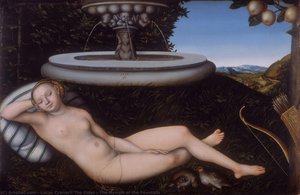
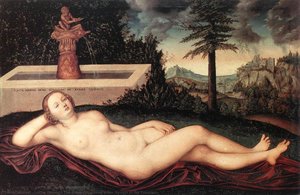
Lucas Cranach the Elder's "The Nymph of the Fountain" depicts a sensual nude figure before a baroque fountain, reflecting Renaissance ideals and capturing psychological depth—a masterpiece of German art.
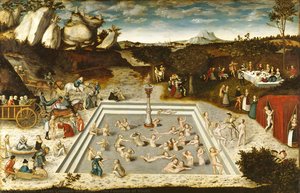
Lucas Cranach's 'The Fountain of Youth' (1546) depicts rejuvenated women amidst a fantastical Renaissance scene, showcasing the artist’s masterful oil-on-panel technique. Discover this captivating piece and bring its timeless beauty into your home.
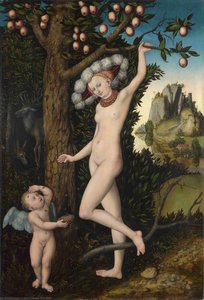
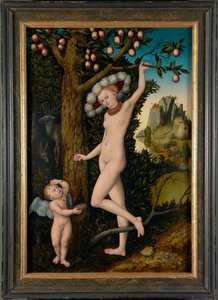
Lucas Cranach the Elder’s ‘Venus with Cupid Stealing Honey,’ painted around 1530, depicts Venus and Cupid amidst a lush forest landscape, inspired by Theocritus' poem about Cupid’s theft of honeycomb from bees. This masterful depiction explores themes of love, suffering, and divine judgment.
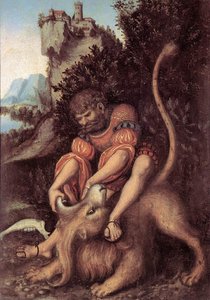
Witness the epic struggle of Samson and the lion! Lucas Cranach's 1525 masterpiece blends biblical drama with Northern Renaissance artistry, showcasing incredible detail & symbolism.
Experience the rich detail of Lucas Cranach the Elder's Northern Renaissance masterpiece, Venus and Cupid; discover this timeless beauty for your collection.
Lucas Cranach's "Reclining River Nymph" captivates with its blend of Gothic and Renaissance styles, showcasing a nude figure by a fountain – a masterpiece of German art.
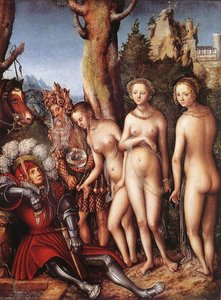
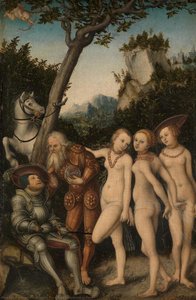
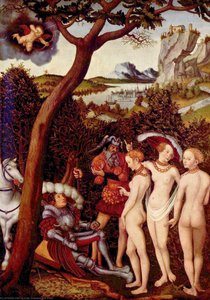
Admire Lucas Cranach the Elder’s masterful depiction of The Judgement of Paris – a dramatic scene from Greek mythology featuring Paris, Aphrodite, Hera and Juno. Explore his iconic style!
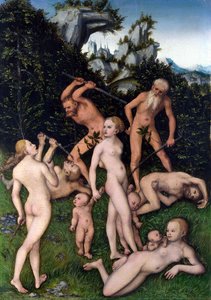
Lucas Cranach’s ‘Close of the Silver Age,’ a vibrant depiction of nude figures amidst a lush forest, embodies Renaissance elegance and captures the spirit of 1530s Germany. Admire this masterful oil painting reproduction from ArtsDot.com – explore timeless beauty and bring art history home.
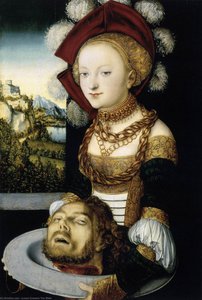
Lucas Cranach’s haunting ‘Salome,’ painted in 1530 during the Northern Renaissance, depicts a dramatic biblical scene—a woman presenting John the Baptist's severed head—infused with luminous color and sfumato technique. Explore this masterpiece at Budapest’s Museum of Fine Arts.
Lucas Cranach’s masterful depiction of The Judgement of Paris captures the drama of Greek mythology in stunning detail—a Renaissance masterpiece showcasing opulent drapery and symbolic figures against a serene backdrop. Explore this iconic artwork and bring its timeless beauty into your home.
Lucas Cranach’s ‘The Three Graces’ captures Renaissance beauty with ethereal figures and classical symbolism. This Northern Renaissance masterpiece, painted in 1535, offers a timeless depiction of feminine grace – discover this iconic artwork.
Lucas Cranach the Elder, born in Kronach, Germany around 1472, stands as a pivotal figure of the German Renaissance. His life unfolded during a period of immense religious and political upheaval, and his art became inextricably linked to both the burgeoning Protestant Reformation and the opulent courts he served.