Showing 24 artworks out of 98 with Mark Rothko and with Latvian Artist

-
Mark Rothko
-
Latvian Artist
Not available for this selection
- Color Field Painting
- Abstract Expressionism
- Color Field Expressionism
- Color Field
- Abstract Expressionism Abstract Expressionism
- American Abstract Expressionism
- Contemporary Expressionism
- Color Field Abstraction
- Color Field Color Field
- Early Modernism
- Expressionism Expressionism
- Expressionist Minimalism
- Minimalism
- Surrealism
- See all
- Espresso
- Rosy Brown
- Gray
- Putty
- Phthalo Green
- Driftwood
- Walnut
- Khaki
- Quinacridone Magenta
- Brown
- Bronze
- Coral
- Clay
- Black
- Cobalt Violet
- Light Green
- Celadon
- Mahogany
- Orange
- White
- Latvian Artist
- Color Field Painting
- Abstract Expressionism
- Mark Rothko
- Modern Art
- Rothko
- Existential Art
- Minimalist Art
- Contemporary Art
- Geometric Abstraction
- American Painter
- Rothko Style
- Emotional Landscape
- Geometric Shapes
- Rothko Legacy
- Emotional Painting
- Minimalism
- Color Field Art
- Color Blocks
- Abstract Art
- Rothko Chapel
- Abstract Painting
- Rothko Painting
- Emotional Depth
- Mark Rothko Artwork
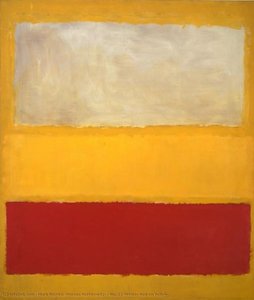
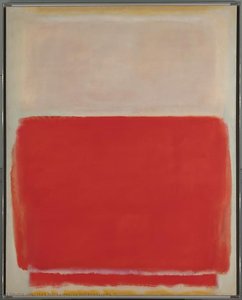
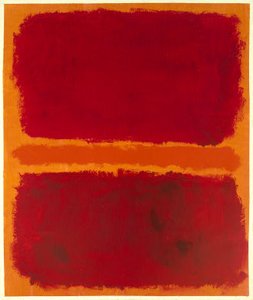
The painting embodies Rothko's signature style – monumental blocks of color layered upon each other to evoke profound emotional resonance. Its dominant hues of red and blue aim to capture the essence of human experience, inviting contemplation on themes of passion and sorrow.
Rothko's work is characterized by its deliberate reduction of form to color, aiming to bypass intellectual understanding and tap into primal emotions. The painting’s composition—two dominant rectangles juxtaposed with subtle variations in hue—creates a visual experience that prioritizes feeling over representation.
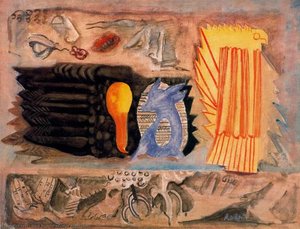
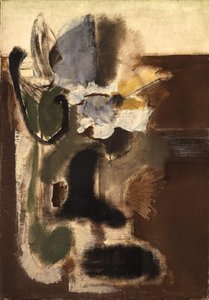
Explore Mark Rothko's Untitled (19), a surrealist masterpiece featuring dragons, birds, fish & clocks—a poignant reflection of existential themes and color field painting’s emotive power.
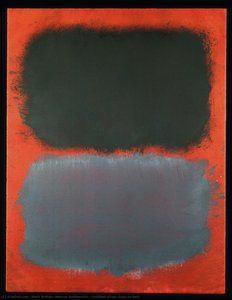
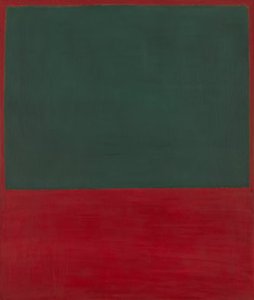
Experience Mark Rothko’s Untitled 104: Three powerful blocks of red & green evoke emotion through minimalist abstraction. A key work by the influential Latvian artist.
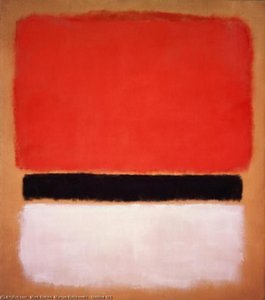
Untitled 103 by Mark Rothko – A striking canvas dominated by bold red hues contrasted with smaller white sections, punctuated by black accents. Exploring themes of loss and existential contemplation.
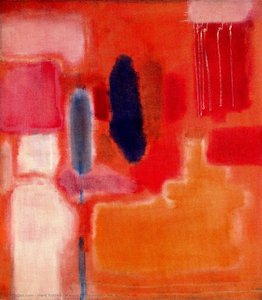
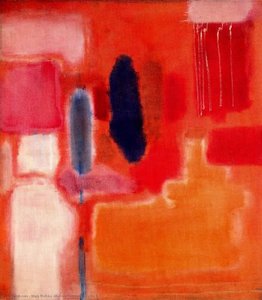
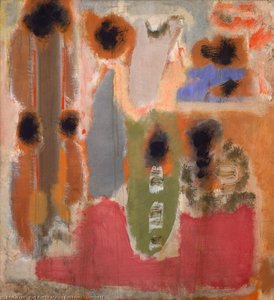
No.9 by Mark Rothko – A vibrant color field painting featuring bold reds, oranges, blues, pinks and whites, reminiscent of Rothko’s signature style. Explore the emotive power of abstraction in this captivating piece.
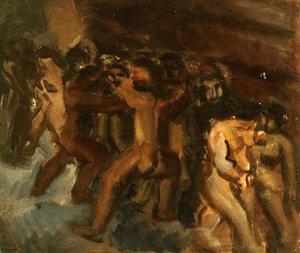
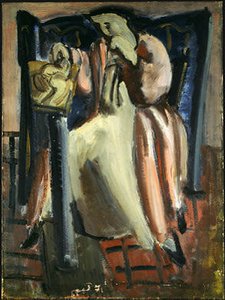
Untitled (scene with nude figures) by Mark Rothko – A monumental canvas featuring thirteen nude figures arranged in horizontal blocks of color, reflecting Rothko’s signature style and exploring themes of spirituality and human connection against a backdrop of a bed.
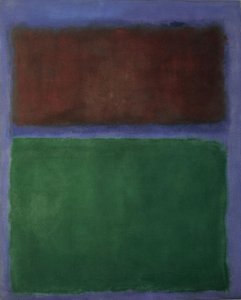
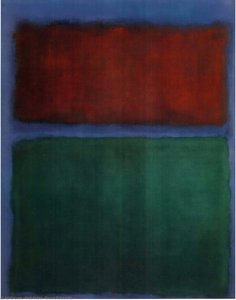
Earth & Green by Mark Rothko – WikiArt.org: This Color Field painting features three hues—red, green, and blue—dominating the canvas. Created in 1955, it embodies Rothko’s exploration of existential themes and reflects his Latvian heritage.
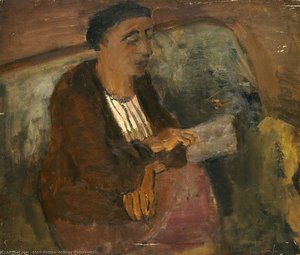
Woman Reading by Mark Rothko - This evocative portrait captures a woman absorbed in reading on a couch, accompanied by two other figures. Rothko's signature color blocks convey profound emotion and contemplation.
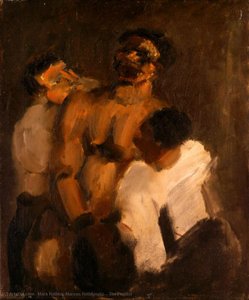
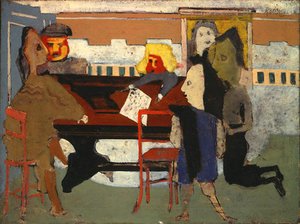
Experience the contemplative beauty of Mark Rothko’s ‘The Party,’ a monumental canvas capturing human connection and stillness within a vibrant geometric composition. Explore its provenance & discover more masterpieces.
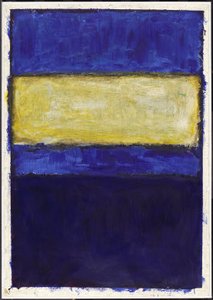
Immerse yourself in Rothko's 'Untitled 73,' a powerful abstract expressionist piece featuring layered blues, whites, and yellows. Experience the raw emotion and textural depth of Mark Rothko’s iconic style – a timeless masterpiece.
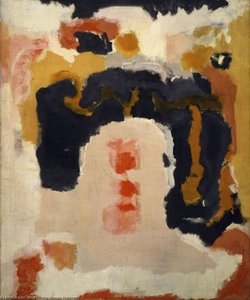
Explore Mark Rothko's Untitled 78 – a vibrant, emotionally resonant color field painting featuring figures and birds within a dynamic composition. Discover the artist’s legacy and the profound impact of his abstract expressionism.
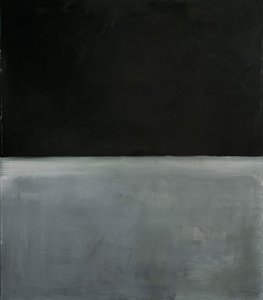
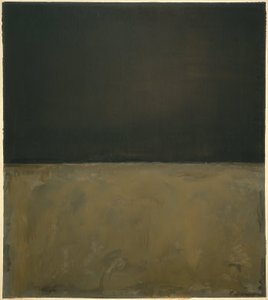
The painting features a dark background with a small patch of light in the upper right corner. This light source creates an interesting contrast against the darkness of the rest of the painting, drawing attention to it.