Showing 11 artworks with Michelangelo Buonarroti and with Carrara Marble
-
Michelangelo Buonarroti
-
Carrara Marble
Not available for this selection
- Putty
- Espresso
- Walnut
- Gray
- Rosy Brown
- Clay
Not available for this selection
- Carrara Marble
- Renaissance Sculpture
- Michelangelo Buonarroti
- Italian Renaissance
- Michelangelo Masterpiece
- High Renaissance
- Marble Statue
- Anatomical Precision
- High Renaissance Art
- David Sculpture
- Classical Anatomy
- Roman Mythology
- Renaissance Art
- Religious Art
- Monumental Sculpture
- Religious Iconography
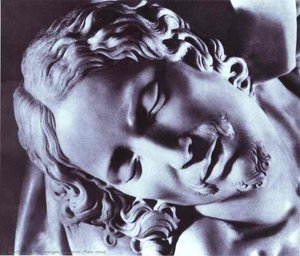
- Michelangelo Pietà Detail
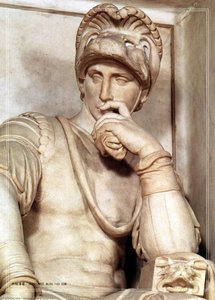
- Lorenzo De Medici Tomb
- Sculpture Masterpiece
- Michelangelo Legacy
- St Peter Sculpture
- Classical Art Influence
- Religious Figure
- Human Struggle
- Michelangelo Artwork
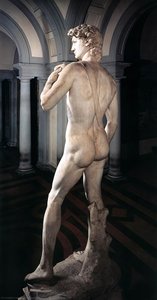
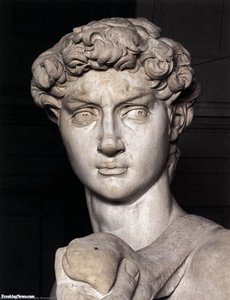
Explore Michelangelo's iconic David (detail)! Witness Renaissance artistry & masterful marble sculpting. A timeless symbol of strength and beauty.
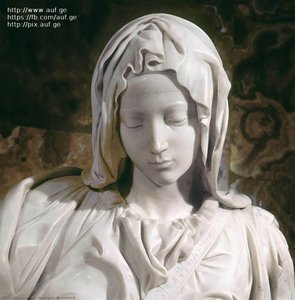
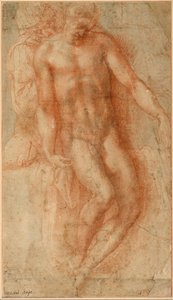
Michelangelo's Pieta is a masterpiece of Renaissance sculpture depicting Mary holding Jesus after the crucifixion—a poignant symbol of grief and divine compassion housed in St. Peter’s Basilica.
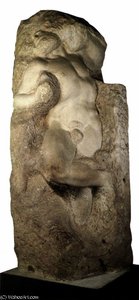
A powerful struggle for liberation is captured in Michelangelo's Renaissance marble masterpiece Slave, showcasing anatomical perfection and raw emotion that invites you to explore this timeless sculptural triumph.
Experience the profound grief and divine grace of Michelangelo Buonarrti's High Renaissance masterpiece Pietà, a breathtaking marble sculpture that invites you to bring this timeless symbol of devotion into your home.
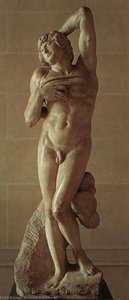
A poignant embodiment of human suffering and classical beauty, Michelangelo's High Renaissance masterpiece Dying Slave captures anatomical perfection in marble, inviting you to explore this timeless icon of art history.
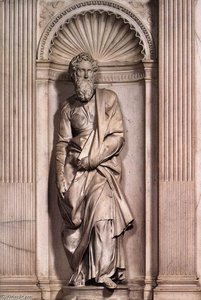
Experience the profound anatomical precision and Mannerist elegance of Michelangelo's St Peter, a Renaissance masterpiece of marble sculpture that invites you to explore the heights of divine artistic expression.
Commissioned by Giuliano de’ Medici, Lorenzo’s brother, the tomb embodies the humanist ideals prevalent during the High Renaissance, prioritizing human form and emotion.