Showing 8 artworks with Nicholas Roerich and with 1912
-
Nicholas Roerich
-
1912
Not available for this selection
- Espresso
- Phthalo Green
- Quinacridone Magenta
- Cobalt Violet
- Putty
- White
Not available for this selection
- Nicholas Roerich
- Symbolism
- Roerich
- 1912
- Russian Art
- Decorative Arts
- Landscape
- Mystical
- Russian Painter
- Art Nouveau
- Forest
- Art Nouveau Style
- Painting
- Character Study
- Transformation
- Tree
- Black And White
- Holy Spirit Church
- Roerich Art
- Fantasy Art
- Icon Art
- Yellow Mariner Painting
- Himalayas
- Theatre Costumes
- Jesus Christ Portrait
- Animalistic
- Historical Art Decor
- Religious Painting
- 1912 Art Reproduction
- Russian
- Snakes: Wisdom
- Roerich Collection
- Religious Symbolism
- Art
- Peer Gynt Opera
- Costume Sketches
- Muted Colors
- Museum Quality Prints
- Unique Gift For Artists
- Mythical Creature
- Stylized Figure
- Nicholas
- Nest
- Performance Art
- Dynamic Composition; Snakes
- Hatching
- Art Print For Living Room
- Artistic Detail
- Symbolist
- Christian Symbolism
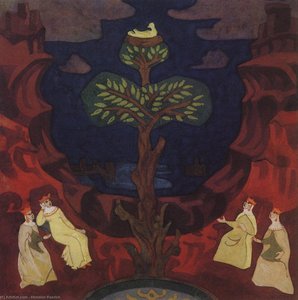
Nicholas Roerich's 'Good Nest' (1912) is a symbolic masterpiece blending nature and humanity, showcasing the artist’s unique blend of mysticism and landscape painting. Explore its rich symbolism and artistic legacy.
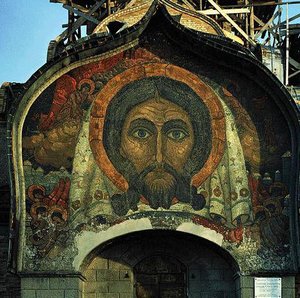
‘Vernicle’, created in 1912 by Nicholas Roerich, exemplifies Art Nouveau style with intricate mosaic design. Featuring Jesus Christ's gaze, the painting embodies Byzantine iconography and reflects Roerich’s fascination with Eastern spirituality.
Offer options for custom sizing, color variations (if applicable), and framing
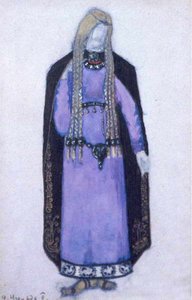
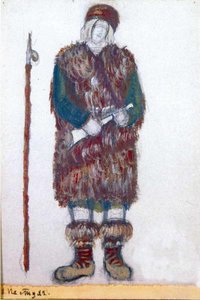
Explore Nicholas Roerich's captivating sketches of costumes for 'Peer Gynt,' capturing Art Nouveau elegance and embodying the spirit of theatrical performance with meticulous detail.
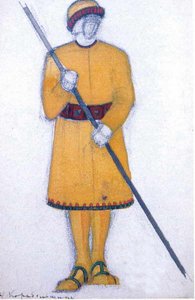
Nicholas Roerich’s "Mariners" presents a vibrant yellow figure holding a staff and shield, embodying the artist's spirit and archaeological pursuits from 1912. Discover this captivating artwork and bring its timeless beauty into your space.
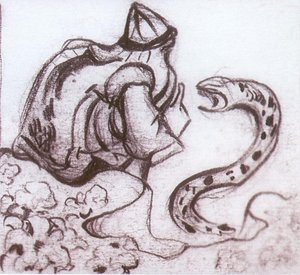
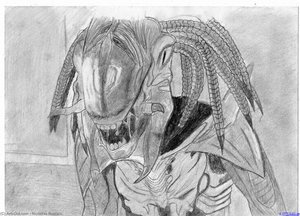
Explore Roerich's evocative 'Forest,' a striking black and white pencil drawing from 1912. Witness the artist’s mastery of line and shadow in this fantastical creature study.
Insert Title Here] – A Detailed Examination** **(Image Placeholder - Ideally a high-resolution image of the artwork)** **Introduction:** This analysis delves into the core elements of [Title], a work by [Artist Name]. Created in [Year], this piece exemplifies [mention dominant style, e.g., Art Nouveau, early 20th century realism] and offers a fascinating glimpse into [mention relevant historic