Showing 8 artworks with Nicolas Poussin and with 1648 and with Accent

-
Nicolas Poussin
-
1648
-
Accent
Not available for this selection
- Phthalo Green
- Espresso
- Black
- Cobalt Violet
- Nicolas Poussin
- French Baroque
- Renaissance Influence
- Classical Landscape
- Classical Art
- Oil On Canvas
- Baroque Art
- Phocion'S Ashes
- Landscape Painting
- Religious Symbolism
- Roman Baroque
- Baroque Painting
- Spiritual Harmony
- Rocky Outcrop
- Wall Hanging Decor
- Classicism Style
- Italian Baroque
- Classical Grace
- 17Th Century Art
- Serene Atmosphere
- Friendship Portrait
- Pyramidal Structure
- Classical Ideals
- Fine Art Print
- Loss And Mourning
Nicolas Poussin's Landscape with Polyphemus (1648) blends mythological themes with serene landscapes at The Hermitage Museum, showcasing classical style and masterful composition.
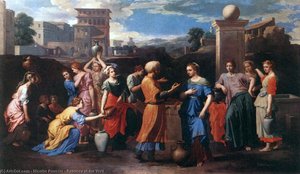
A serene Provençal landscape unfolds in Nicolas Poussin's masterpiece Rebecca at the Well, a breathtaking 1648 French Baroque oil on canvas that invites you to explore the profound beauty of this biblical narrative.
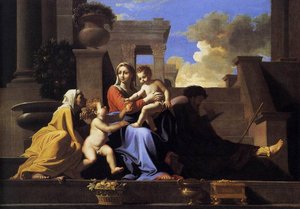
A serene moment of divine grace unfolds in Nicolas Poussin's classical masterpiece Holy Family on the Steps, capturing spiritual harmony through Baroque elegance and inviting you to explore this timeless treasure.
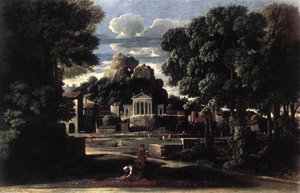
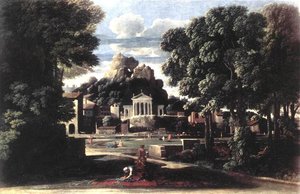
A poignant classical landscape by Nicolas Poussin captures the solemn gathering of Phocion's ashes through a masterful blend of Greek history and atmospheric depth, inviting you to explore this timeless Baroque masterpiece.
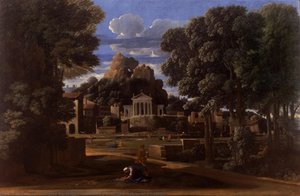
A poignant scene of classical tragedy unfolds in Nicolas Poussin's 1648 masterpiece Landscape with the Ashes of Phocion, where serene Baroque landscapes meet profound grief, inviting you to explore this timeless treasure.
Admire Nicolas Poussin's poignant depiction of grief and remembrance – ‘The Ashes of Phocion collected by his Widow’—a masterful Baroque painting exploring themes of loss and devotion.
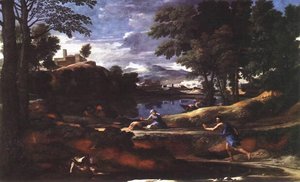
Nicolas Poussin’s haunting Landscape with a Man Killed by Snake captures classical elegance amidst pastoral terror—a masterful Baroque depiction exploring mortality and divine judgment. Admire this monumental masterpiece from 1648, commissioned for Cardinal Pallotti and embodying timeless artistic principles.