Showing 16 artworks with Otto Dix and with Neue Sachlichkeit

-
Otto Dix
-
Neue Sachlichkeit
Not available for this selection
- Espresso
- Gray
- Putty
- Quinacridone Magenta
- Driftwood
- Phthalo Green
- Steel Blue
- Walnut
- Neue Sachlichkeit
- German Expressionism
- Weimar Germany Art
- Otto Dix Painting
- Otto Dix Portrait
- Vintage Art Print
- Otto Dix
- Otto Dix Art
- Otto Dix Artwork
- 1920S German Art
- Post-War Art
- Expressionism
- German Art History
- Dark Color Palette
- Oil On Canvas Art
- Contemporary Art
- Dark Realism Art
- Expressionist Art
- Oil Painting Technique
- “Portrait Painting”
- Dix Artwork Analysis
- Shadowy Art Style
- Oil Paint Artwork
- Kitty Artwork
- Acrylic Painting
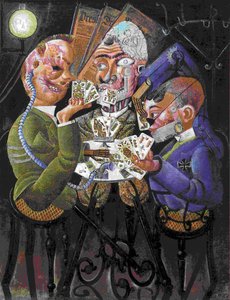
Otto Dix's 'The Skat Players' (1920) is a haunting Dadaist painting depicting disabled WWI veterans, reflecting post-war despair and societal critique.
Wilhelm Heinrich Otto Dix (1891-1969) began his artistic journey in Gera, Germany, where he honed his skills in decorative painting before enrolling at Dresden’s Kunstgewerbeschule. His formative years were profoundly impacted by the horrors of World War I, shaping his worldview and fueling his commitment to portraying societal realities with uncompromising realism.
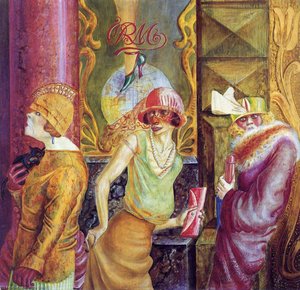
Otto Dix’s “Three Prostitutes on the Street,” painted in 1925, is a seminal work of Neue Sachlichkeit and Expressionist art. Created during World War I’s aftermath, it confronts viewers with unflinching depictions of societal decay and female objectification through vibrant colors and stylized figures—a cat, two birds, and a handbag adding realism to the gritty urban scene. Dix's formative influen
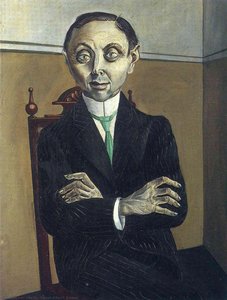
A somber and contemplative portrait of Paul F. Schmidt by German master Otto Dix captures the stark realism of the 1920s Neue Sachlichkeit movement, inviting you to bring this profound piece of history into your collection.
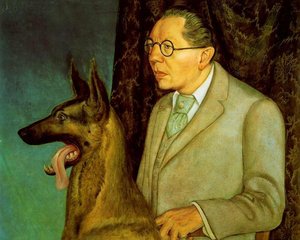
Explore Otto Dix’s ‘Hugo Erfurth with a dog,’ a realistic 1926 portrait showcasing German companionship & loyalty. Discover its Neue Sachlichkeit style & layered technique.
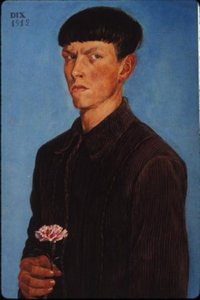
Otto Dix’s ‘Self-Portrait with Carnation’ captures Weimar Germany’s angst. Explore this Expressionist masterpiece – a poignant study of the human psyche in muted tones.
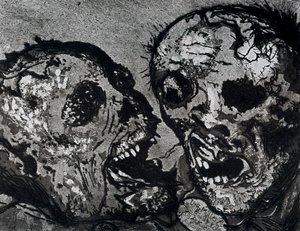
Experience Otto Dix’s "Dead ahead of the position of Tahure." A haunting black & white painting depicting skulls, reflecting Weimar Germany's turmoil. Explore Neue Sachlichkeit art.
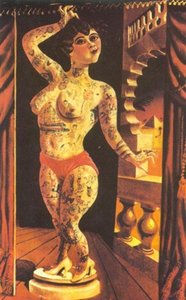
Explore Otto Dix’s ‘Suleika, the Tatooed Wonder’! A striking nude study featuring intricate tattoos in a vintage illustration style. Discover Neue Sachlichkeit & artistic beauty.
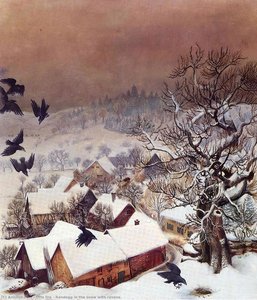
Otto Dix’s "Randegg in the snow with ravens" captures a bleak winter landscape with haunting ravens. Explore this Romantic masterpiece, showcasing Neue Sachlichkeit's raw emotion & unique style.
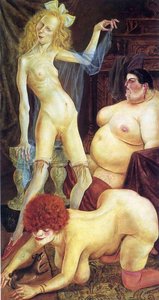
Otto Dix’s ‘Three Wenches’ – a haunting Symbolist oil painting exploring desire & decay in Weimar Germany. Dramatic lighting & distorted figures evoke unease. #OttoDix #NeueSachlichkeit #ArtHistory
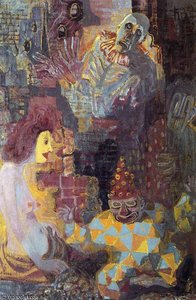
Explore Otto Dix’s "untitled (3407)", a haunting Expressionist masterpiece reflecting Weimar Germany's turmoil. Discover its surreal symbolism & layered technique.
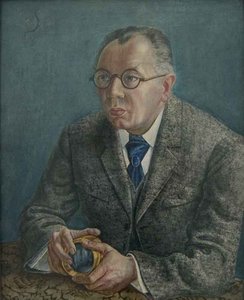
Otto Dix’s "The Photographer Hugo Erfurth" (c. 1930) captures a serious man in formal attire, holding a reflective object. A poignant early 20th-century portrait – hand-painted reproduction available.
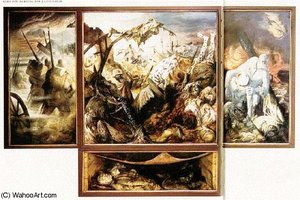
Explore Otto Dix’s "War Triptych" (1932), a hauntingly realistic depiction of wartime trauma & loss. A powerful example of Neue Sachlichkeit, showcasing oil paint & dramatic lighting.
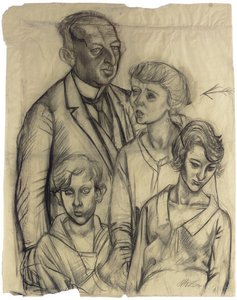
Explore 'Familie Glaser' by Otto Dix – a powerful Neue Sachlichkeit painting capturing Weimar Germany’s stark reality. Discover this iconic artwork & the artist's legacy.
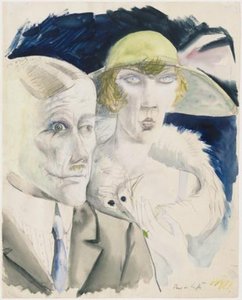
Experience Otto Dix’s ‘Café Couple,’ a poignant masterpiece of Neue Sachlichkeit. Explore the raw emotion & social critique of Weimar Germany through this iconic painting. Hand-painted reproduction available.