Showing 12 artworks with Pablo Picasso and with 1906 and with Tall

-
Pablo Picasso
-
1906
-
Tall
Not available for this selection
- Rosy Brown
- Black
- Mahogany
- Driftwood
- Putty
- Khaki
- Clay
- Coral
- White
- Pablo Picasso
- Cubism
- 1906
- Portrait Painting
- Oil Painting
- Fine Art Print
- Modern Art
- Picasso
- Spanish Art
- Spanish Painter
- Vintage Painting
- Art Deco Style
- Two Nude Women
- Expressionism
- Rose Period
- Picasso Style
- Lehmbruck Museum
- Cubism Painting
- Charcoal Drawing
- Fine Art Reproduction
- Picasso Rose Period
- Intimate Moment
- Picasso Nude Art
- Early Cubism
- Muted Colors
Influenced by Primitivism, this hand-painted reproduction captures the essence of Picasso's early stylistic explorations.
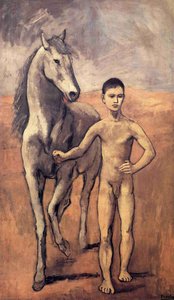
Experience Pablo Picasso's 'Boy Leading a Horse' – a captivating oil painting from 1906 exploring human-animal relationships and showcasing his early Cubist style. A masterpiece by the Spanish genius.
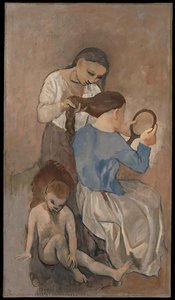
Explore Picasso’s groundbreaking Cubist masterpiece—‘Woman with Comb,’ capturing serene contemplation through fractured geometry and muted ochre hues. Witness artistic innovation from 1906 and immerse yourself in the poignant beauty of this iconic portrait.
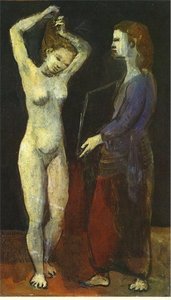
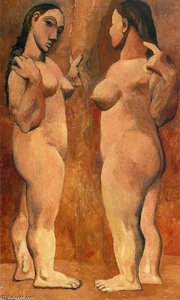
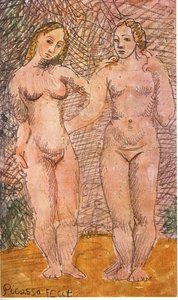
Explore Picasso's 'Two Nude Women' (1906), a pivotal work bridging Expressionism & early Cubism. Witness simplified forms, introspection, and artistic innovation.
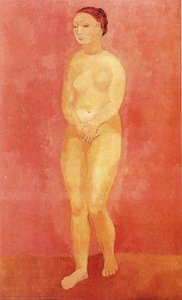
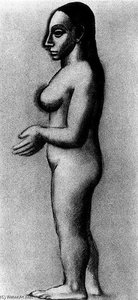
Discover Pablo Picasso’s ‘Standing Female Nude’ (1906). A proto-Cubist masterpiece blending Expressionism & Fauvism. Explore this iconic work's legacy and artistic significance.
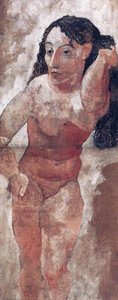
A striking charcoal study of the female form captures Picasso's early transition toward Cubism through masterful light and shadow, offering a profound glimpse into his 1906 innovation that you can bring to your collection.
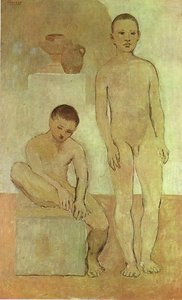
Fragmented geometric planes and terra-cotta tones define Pablo Picassos 1906 masterpiece Two Nudes, a pivotal work of early Cubism that invites you to explore the profound intimacy of his revolutionary style.
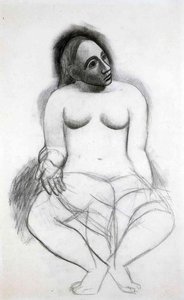
Witness Picasso's raw emotion in 'Seated Nude,' a charcoal masterpiece capturing vulnerability and introspection. Explore the expressive lines & dramatic contrasts of this iconic work from 1906.