Showing 7 artworks with Paul Cézanne and with 1880 and with Landscape Painting
-
Paul Cézanne
-
1880
-
Landscape Painting
Not available for this selection
- Espresso
- Sap Green
- Steel Blue
- Gray
- Rosy Brown
- Driftwood
- Landscape Painting
- French Art
- Post-Impressionism
- Paul Cézanne
- Modern Art
- Impressionism
- Nude Figures
- Cézanne Style
- Color Palette
- Impressionist Legacy
- Oil Painting Reproduction
- Rural Scene
- Provence
- Cézanne
- Art History
- Geometric Forms
- Light And Shadow
- Blue
- Spring Green
- 19Th Century
- Outdoor Scene
- Red
- Avant-Garde Art
- Pool Scene
- Provençal Landscape
- Avant-Garde Painting
- Tree Landscape
- Poplars Painting
- Cubist Influence
- Bathers
- Impressionist Influence
- Art Deco Influence
- Color Field Painting
- Château
- Artistic Style
- Cubism Influence
- 1880
- France
- Geometric Abstraction
- Symbolic Art
- Provence Landscape
- Still Life Composition
- Village
- 1880 Art
- Cubism
- Green
- Art Deco Style
- Sky Blue
- Oil Painting
- Renaissance Inspiration
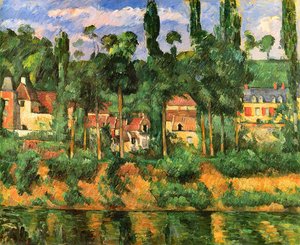
Cézanne's 'Château de Médan' (1880) captures rural France with vibrant colors and geometric forms, showcasing his innovative Post-Impressionist style.
This painting exemplifies Cézanne's distinctive style and marks a pivotal moment in the transition from Impressionism to Cubism. Discover high-quality oil painting reproductions at ArtsDot for an authentic experience.
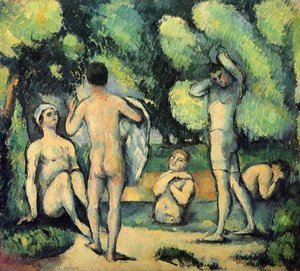
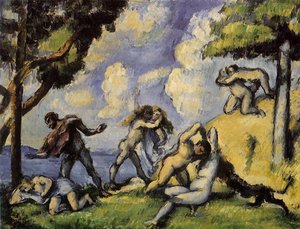
"Les Grandes Baigneuses" by Paul Cézanne exemplifies Post-Impressionism's innovative approach to landscape and figure painting, influencing modern art movements like Cubism.
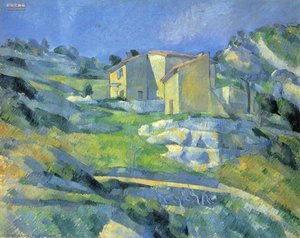
Discover Paul Cézanne’s ‘The Bay from L’Estaque’! A captivating Post-Impressionist landscape showcasing vibrant colors & serene coastal scenes. Perfect for art lovers & interior design.
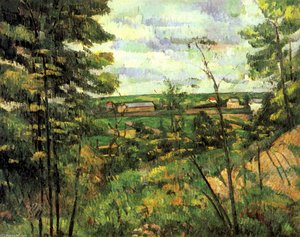
Paul Cézanne's "The Valley of the Oise" (1880) captures a serene French landscape with thick brushstrokes and geometric forms, pioneering Post-Impressionism. A masterpiece of light, color, and texture.
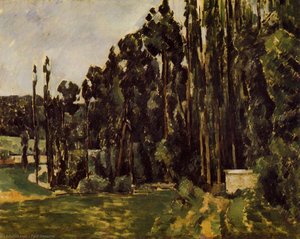
Paul Cézanne (1839–1906) revolutionized painting with his exploration of form and color, rejecting Impressionistic fleeting impressions for a more deliberate and structural approach. Despite initial criticism, he became recognized as one of the most influential artists of the late 19th century.