Showing 6 artworks out of 30 with Paul Cézanne and with Geometric Abstraction
-
Paul Cézanne
-
Geometric Abstraction
Not available for this selection
- Espresso
- Rosy Brown
- Gray
- Phthalo Green
- Driftwood
- Walnut
- Bronze
- Celadon
- Putty
- White
- Khaki
- Geometric Abstraction
- Paul Cézanne
- Post-Impressionism
- French Art
- Still Life Painting
- Color Palette
- Modern Art
- Impressionist Influence
- Landscape Painting
- Impressionism
- Art Deco Style
- Fine Art Reproduction
- Modern Art Masterpiece
- Post Impressionism
- French Painter
- Color Palette Cézanne
- Art Deco Influence
- Cézanne
- Avant-Garde Art
- Post Impressionism Art
- Still Life
- Art History
- Still Life Cézanne
- Barnes Foundation
- Cubist Influence
- French Painter Cézanne
- Provence
- Portrait Painting
- Cézanne Legacy
- French Art History
- Fruit Still Life
- Floral Composition
- Post-Impressionism Art
- Floral Still Life
- Earth Tones
- Cézanne Portrait
- Impressionist Legacy
- Watercolor Painting
- Brushstrokes Texture
- Art Deco
- Brushstrokes
- Landscape Impressionism
- Art History Cézanne
- Watercolor
- Cézanne Style
- Artist Biography
- Art Reproduction Cézanne
- Impasto Technique
- Art Reproduction
- Self Portrait Painting
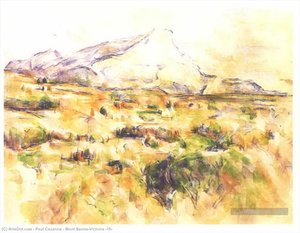
Explore Paul Cézanne's iconic Mont Sainte-Victoire (15), a watercolor masterpiece capturing the grandeur of Provence and pioneering geometric abstraction – a cornerstone of Post-Impressionism.
Step into Cézanne's 'Curtains'! This groundbreaking 1885 watercolor captures domestic tranquility with geometric precision and earthy tones. A proto-Cubist masterpiece, it’s a window to modern art's revolutionary vision.
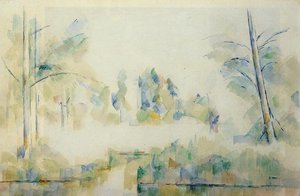
Paul Cézanne’s Proto-Cubist watercolor ‘Trees by the Water,’ capturing tranquil lakeside serenity and monumental forms, exemplifies a revolutionary shift toward geometric abstraction—explore this iconic landscape masterpiece at WikiArt.org.
Paul Cézanne (1839–1906) revolutionized painting with his exploration of form and color, rejecting Impressionistic fleeting impressions for a more deliberate and structural approach. Despite initial criticism, he became recognized as one of the most influential artists of the late 19th century.