Showing 16 artworks with Paul Gustave Doré
-
Paul Gustave Doré
Not available for this selection
- Espresso
- Gray
- Phthalo Green
- Putty
- Celadon
- White
Not available for this selection
- Gustave Doré Engraving
- Biblical Illustration
- Dramatic Lighting
- Victorian Illustration
- Romantic Art
- Romanticism
- Gustave Doré
- Black And White Printmaking
- Dramatic Composition
- Gothic Art
- Medieval Art
- The Inferno
- Artworks_Database
- 19Th Century Art
- Black And White Print
- Linework Texture
- Symbolic Imagery
- Canto 13
- Romantic Illustration
- Fine Line Drawing
- Engraving Technique
- Psychological Depth
- Medieval Symbolism
- Engraving
- Fine Art Reproduction
- Symbolism
- Fine Line Engraving
- Monochromatic Print
- Architectural Detail
- Detailed Artistic Rendering
- Elephant Battle Scene
- Line Drawing Detail
- Grotesque Figures
- Dramatic Linework Art
- Religious Painting
- Dante'S Inferno Illustration
- Dante'S Inferno
- Dramatic Realism Engraving
- Monochrome Print
- Lucifer Biblical Scene
- Violence Depiction
- Line 120. “Haste Now
- Printmaking
- Gustave Dore Engraving
- Fantasy Art
- Power Allegory
- Symbolic Figures
- Lucifer
- Dark Art
- Doré Engraving
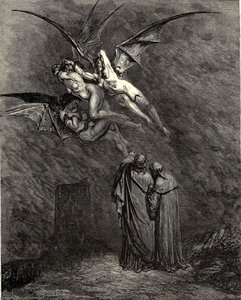
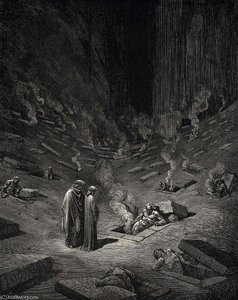
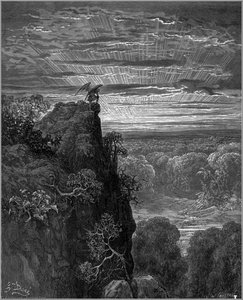
A dramatic black and white engraving by Gustave Doré depicting Dante's Inferno, capturing intense emotion and meticulous detail with masterful linework—a cornerstone of Romantic art.
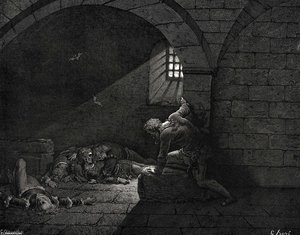
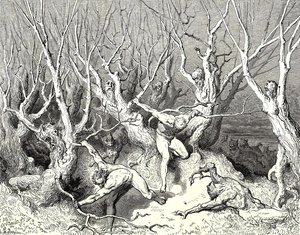
Delve into Dante's Inferno with Paul Gustave Doré’s haunting engraving depicting despair and sorrow—a masterful illustration capturing the essence of suffering through dramatic lighting and meticulous linework.
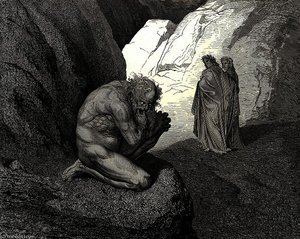
Gustave Doré Delve into Gustave Doré's masterful engraving 'Minos,' inspired by Greek mythology. Witness dramatic linework and stark contrasts illuminating a monstrous figure amidst shadowy steps – a cornerstone of Romantic realism.
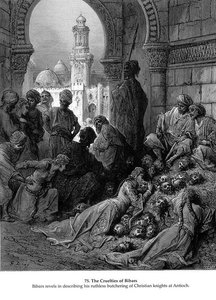
Delve into Gustave Doré's masterful engraving 'The Cruelties of Bibars,' capturing a harrowing depiction of violence and aftermath with intricate linework and dramatic tonal contrasts.
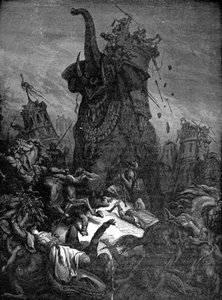
This artwork is a monumental wood engraving by Paul Gustave Doré, depicting the violent death of Eleazar at the hands of an elephant during the siege of Jerusalem. Executed in meticulous grayscale, it exemplifies Doré’s Romantic style—characterized by dramatic lighting, expressive linework, and a focus on conveying emotion through texture and perspective. The scene's composition is densely populat
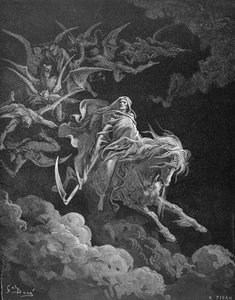
Experience the chilling grandeur of Gustave Doré's 'The Vision of Death,' a Romantic engraving depicting death riding a horse amidst swirling souls—a masterful blend of dramatic composition and textural detail.
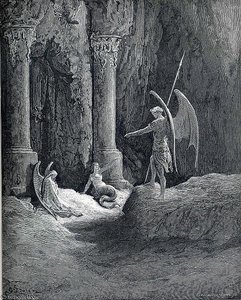
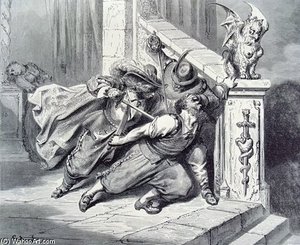
Paul Gustave Doré untitled (2211) Strasbourg France 1832 1883 This engraving showcases a captivating scene featuring allegorical or mythological figures illuminated by dramatic chiaroscuro. Strong vertical columns contrast with diagonal lines, guiding the viewer's eye towards an angel and reclining female figure alongside a demonic winged figure. The meticulous etching technique—hatching and
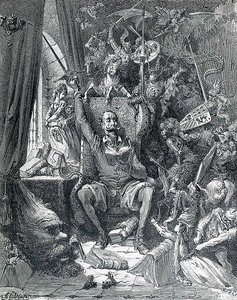
Gustave Doré Delve into Gustave Doré's masterful engraving depicting a chaotic throne scene rife with grotesque creatures—a poignant commentary on power and corruption, executed with meticulous detail.
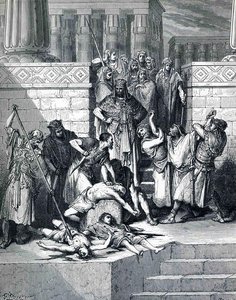
Paul Gustave Doré's 'Slaughter of the Sons of Zedekiah before Their Father,' created in 1866, is a monumental Romantic engraving depicting a gruesome biblical scene. Executed with meticulous hand-drawing and etching on copper plate, it utilizes dramatic lighting and dense hatching to convey intense emotion and visual depth. The pyramidal composition emphasizes the suffering of Zedekiah's sons as t
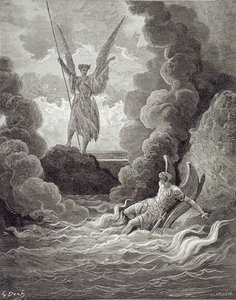
Experience the dramatic power of Gustave Doré's 'Satan And Beelzebub,' a masterful engraving depicting Lucifer’s triumph over Beelzebub amidst turbulent seas and stormy skies—a cornerstone of Christian mythology.
Prisoners' Round (after Gustave Doré), also known as The Prisoners' Round, or Prisoners Exercising, or Penitentiary (after Doré), (F669) is an oil painting of February 1890 by Vincent van Gogh. This late work was painted at Saint-Paul Asylum in Saint-Rémy, inspired by an 1872 engraving by Gustave Doré of the exercise yard (le bagne) at Newgate Prison published in the book London: A Pilgrimage. The