Showing 15 artworks with Paul Gustave Doré
-
Paul Gustave Doré
Not available for this selection
- Espresso
- Gray
- Celadon
- Putty
- White
Not available for this selection
- Romanticism
- Medieval Art
- Symbolic Imagery
- Gustave Doré Engraving
- Dramatic Composition
- Dramatic Illustration
- Fine Art Reproduction
- Victorian Illustration
- Biblical Art
- Psychological Drama
- Hell Imagery
- Victorian Era Art
- Monochrome Print
- Dore Engraving
- Etching Technique
- 19Th Century Art
- Fine Art Print
- Black And White Printmaking
- Atmospheric Perspective
- Detailed Linework
- Dante'S Inferno
- Dramatic Lighting
- Romantic Illustration
- Gustave Doré
- Medieval Imagery
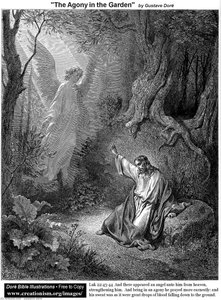
Paul Gustave Louis Christophe Doré (1832-1883) revolutionized illustration with his expressive style—characterized by detailed realism, theatrical compositions, and masterful etching techniques—establishing himself as a titan of Romantic art. Gustave Dore’s ‘The Agony In The Garden’ is a dramatic Romantic print depicting Jesus kneeling in prayer before his arrest, illuminated by an angelic presen
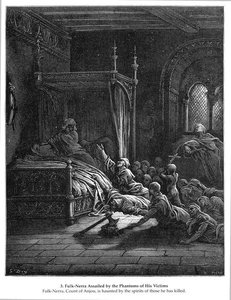
Paul Gustave Doré Fulk-Nerra Assailed by the Phantoms of His Victims Strasbourg France 1832 1883 This dramatic engraving portrays Fulk-Nerra battling spectral figures within a medieval bedroom, showcasing intricate detail and conveying themes of guilt and retribution. Doré’s masterful use of hatching and shading creates an unsettling atmosphere. engraving Printed image on paper 19th Centu
Paul Gustave Doré Dore Gustave 44. It-s Thais the prostitute who answered at the words of her lover -Don't you owe This monumental engraving captures a pivotal moment from Dante’s Divine Comedy, portraying Thais—a prostitute—responding to Dante’s plea for forgiveness. Doré’s meticulous technique utilizes dramatic chiaroscuro and dense cross-hatching to convey the profound emotional turmoil of th
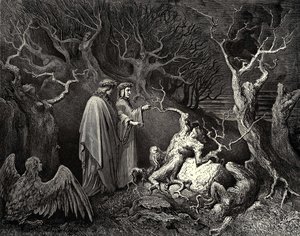
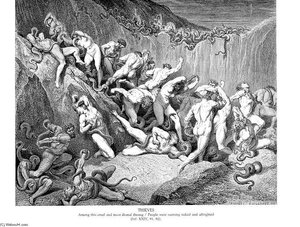
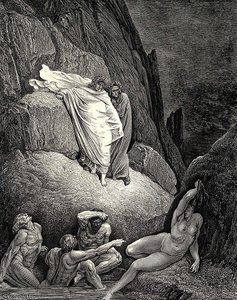
Dante Experience the chilling beauty of Dante's Inferno through Gustave Doré’s masterful etching. Explore intricate detail and dramatic chiaroscuro as he captures the essence of Canto XIII.
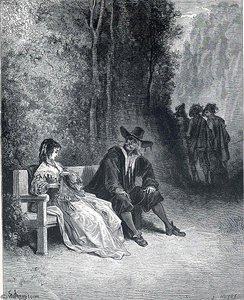
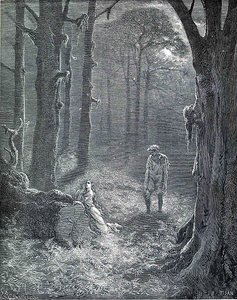
This evocative black and white engraving captures a moment of social interaction within a tranquil park setting. Executed with meticulous detail, Doré’s work exemplifies Romantic realism, utilizing hatching and cross-hatching to convey texture and depth—a masterful portrayal of Victorian aesthetics. Gustave Doré 'untitled (3797)' by Gustave Doré Explore Gustave Doré's poignant engraving 'untitl
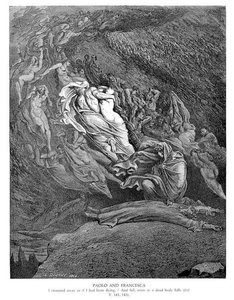
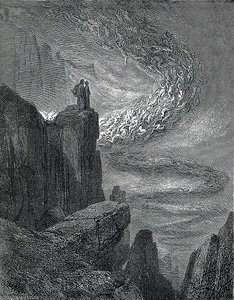
Explore more about Gustave Doré and his iconic engravings at ArtsDot.com. Paul Gustave Doré Paolo and Francesca II This engraving depicts Paolo and Francesca, figures from Dante's Inferno, locked in an embrace amidst a swirling vortex of tormented souls. Executed in grayscale tones with meticulous linework—hatching, cross-hatching, and detailed shading—it embodies Doré’s Romantic style, captur
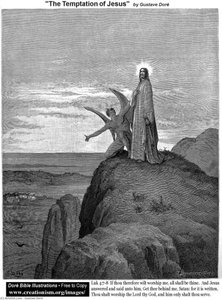
This monumental engraving by Gustave Doré depicts the pivotal moment when Jesus resists Satan’s temptations in the desert, capturing the essence of Christian faith and struggle with breathtaking detail. Doré's signature style—characterized by stark contrasts, expressive hatching, and atmospheric perspective—transforms biblical narrative into a visually arresting experience. The artwork exemplifies
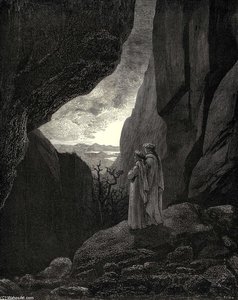
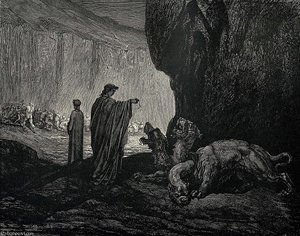
Gustave Dore Experience Gustave Doré's haunting depiction of Dante and Virgil contemplating the desolate landscape of Hell (Inferno Canto 34). Explore Romanticism’s dramatic style and masterful etching technique.
Paul Gustave Doré (1832-1883) was a prolific artist celebrated for his dramatic wood engravings and illustrations, notably capturing the intensity of Dante's Inferno and portraying biblical narratives with unparalleled realism. Born in Strasbourg, France, Doré possessed an exceptional talent honed early through caricatures and nurtured by a lifelong fascination with storytelling. His artistic jour
Paul Gustave Doré untitled (8263) Strasbourg France 1832 1883 This evocative engraving depicts a turbulent landscape dominated by towering cliffs and a vortex of figures above. Doré’s masterful use of hatching and crosshatching creates depth and texture, capturing the grandeur and mystery of the scene—inspired by Dante's Inferno. engraving Metal plate (copper or steel), ink, paper. Engrav
Prisoners' Round (after Gustave Doré), also known as The Prisoners’ Round, or Prisoners Exercising, or Penitentiary (after Doré), (F669) is an oil painting of February 1890 by Vincent van Gogh. This late work was painted at Saint-Paul Asylum in Saint-Rémy, inspired by an 1872 engraving by Gustave Doré of the exercise yard (le bagne) at Newgate Prison published in the book London: A Pilgrimage. The
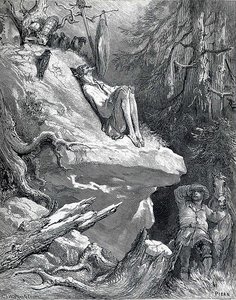
Delve into the poignant drama of Gustave Doré's 'untitled (9023)'—a meticulously engraved illustration capturing vulnerability and despair amidst a perilous cliffside scene. Explore its masterful technique and symbolic depth.
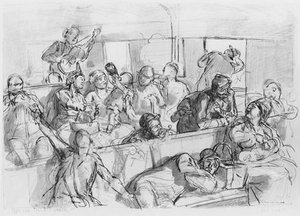
Gustave Dore Admire Gustave Doré's "Album Of The Siege Of Paris, Third Class Carriage" – a poignant sketch capturing wartime realism and emotion. Explore high-quality reproductions & framing options.