Showing 24 artworks out of 71 with Paul Gustave Doré and with Medieval Art
-
Paul Gustave Doré
-
Medieval Art
Not available for this selection
- Espresso
- Gray
- Rosy Brown
- White
- Celadon
- Phthalo Green
- Black
- Putty
Not available for this selection
- Medieval Art
- Romanticism
- Gustave Doré
- Biblical Illustration
- Symbolic Imagery
- Dramatic Lighting
- Engraving
- Black And White Print
- Wood Engraving
- Gustave Dore
- Dramatic Composition
- Gustave Doré Engraving
- Fine Art Reproduction
- Dante'S Inferno
- Biblical Art
- Romantic Art
- Fine Art Print
- 19Th Century Art
- Illustration
- Dramatic Art
- Victorian Art
- Symbolism
- Black And White Art
- Victorian Illustration
- Nineteenth Century Art
- Religious Symbolism
- Monochromatic Print
- Religious Painting
- Doré Engraving
- Romantic Realism
- Gothic Art
- Romantic Illustration
- Symbolic Art
- Detailed Linework
- Religious Art
- Hell Imagery
- Hell
- Fine Line Drawing
- Wood Engraving Technique
- Christian Iconography
- Black And White Printmaking
- Fine Line Etching
- Linework Texture
- Romanticism Engraving
- Religious Illustration
- Detailed Printmaking
- Medieval Literature
- Detailed Illustration
- Dante Inferno
- Art History
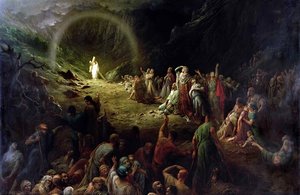
Gustave Doré’s "The Valley of Tears" presents a dramatic, emotionally charged scene of suffering and redemption with its monumental scale and romantic style. Explore this iconic 19th-century masterpiece and discover the beauty of human emotion.
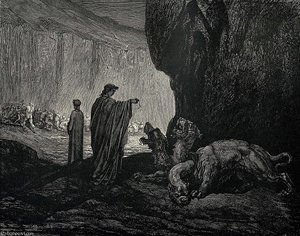
Paul Gustave Doré (66) This haunting engraving portrays Dante's Inferno Canto 31, capturing the terror and despair of Hell with meticulous linework and dramatic lighting. Inspired by Dante’s epic poem, Doré’s work exemplifies Romantic artistic fervor. Doré’s illustration for Dante's Inferno reflects the Romantic movement's preoccupation with emotion, imagination, and dark themes. It showcases h
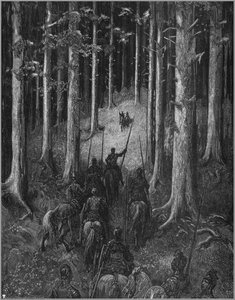
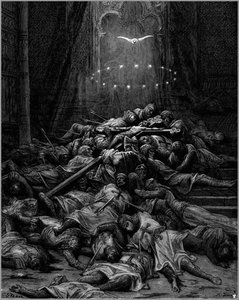
This artwork is Paul Gustave Doré’s ‘A Celestial Light,’ an engraved depiction of soldiers amidst rubble illuminated by divine light. Executed in 1875 during the Romantic era, it showcases Doré's signature style – dense linework, tonal variations achieved through hatching and crosshatching, and a pyramidal composition emphasizing spiritual significance. Inspired by biblical narratives like Christ’
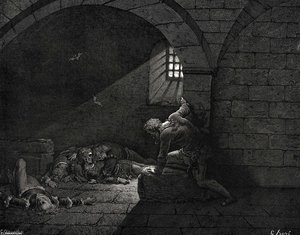
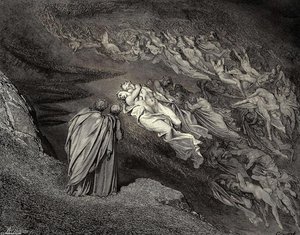
Delve into Dante's Inferno with Paul Gustave Doré’s haunting engraving depicting despair and sorrow—a masterful illustration capturing the essence of suffering through dramatic lighting and meticulous linework.
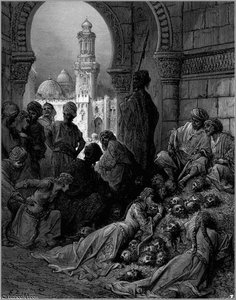
This artwork, ‘Crusades Cruelties of Bibars,’ exemplifies Gustave Doré’s signature style—Romantic Realism—characterized by meticulous detail and expressive tonal range achieved through hatching and cross-hatching techniques. Executed as an engraving or etching on metal plate, it portrays a chilling scene depicting severed heads amidst an architectural backdrop reminiscent of the Middle East, refle
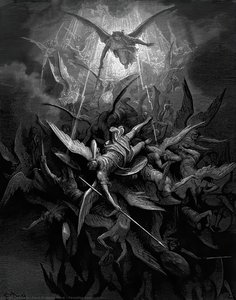
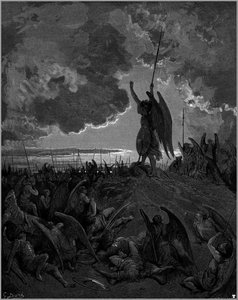
Gustave Dore Experience the dramatic intensity of Gustave Doré’s ‘They Heard, And Were Abashed, And Up They Sprung,’ a monumental engraving capturing biblical turmoil and divine judgment. Explore this Romantic masterpiece at ArtsDot.
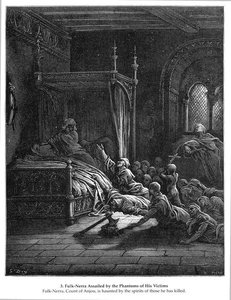
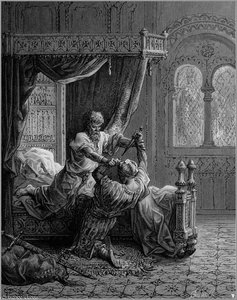
Paul Gustave Doré Fulk-Nerra Assailed by the Phantoms of His Victims Strasbourg France 1832 1883 This dramatic engraving portrays Fulk-Nerra battling spectral figures within a medieval bedroom, showcasing intricate detail and conveying themes of guilt and retribution. Doré’s masterful use of hatching and shading creates an unsettling atmosphere. engraving Printed image on paper 19th Centu
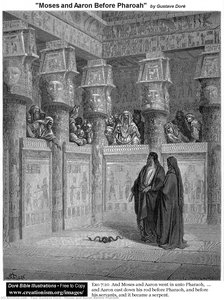
According to the Old Testament of the Bible, Aaron ( AIR-ən or ARR-ən) was an Israelite prophet, high priest, and the elder brother of Moses. Information about Aaron comes exclusively from religious texts, such as the Hebrew Bible, the New Testament (Luke, Acts, and Hebrews), and the Quran. The Hebrew Bible relates that, unlike Moses, who grew up in the Egyptian royal court, Aaron and his elder
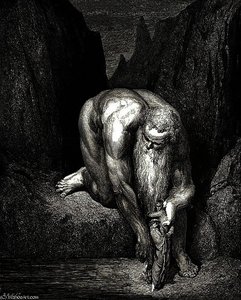
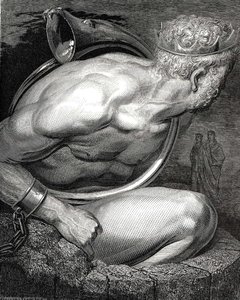
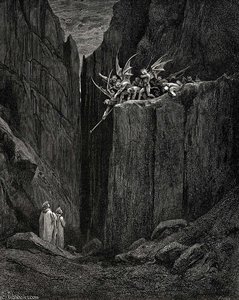
Admire Gustave Doré’s masterful depiction of Dante's Inferno Canto 31 in this stunning black and white engraving reproduction. Explore the dramatic composition, intricate detail, and symbolic elements of this iconic artwork. anto 31, lines 64-66: “O senseless spirit! let thy horn for thee Interpret. therewith vent thy rage, if rage Or other passion wring thee.” - A captivating black and white eng
Experience the dramatic grandeur of Gustave Doré's engraving depicting figures on a perilous cliff edge – a masterpiece of Romantic illustration capturing awe, fear, and spiritual contemplation.
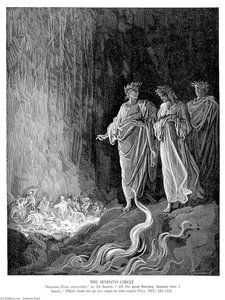
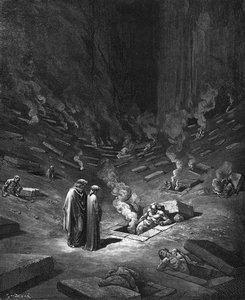
'The Seventh Circle II' by Gustave Dore is a striking Romantic illustration featuring three robed figures confronting a fiery pit. Its meticulous engraving technique—characterized by dense cross-hatching and expressive lines—evokes profound emotion and embodies Doré’s signature style. Delve into Gustave Doré's haunting depiction of Dante's Inferno II – a masterful wood engraving showcasing intric
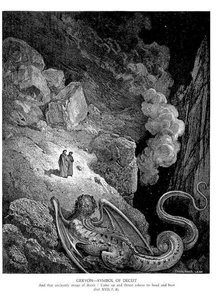
This engraving depicts a harrowing scene from Dante's Inferno, featuring a monstrous creature confronting humanity amidst desolate rock formations. Doré’s meticulous detail and masterful use of line work convey dread and symbolize deception. Created using etching technique on copper plate, this artwork showcases Romantic realism and captures the essence of gothic horror. Dive into Gustave Doré's
Experience the harrowing beauty of Dante's Inferno through Doré’s masterful engraving! Witness tormented souls and dramatic lighting as he captures the essence of Hell with unparalleled detail.
Explore Gustave Doré's dramatic engraving "Crusades," depicting Edward III confronting an assassin amidst opulent Bedchamber decor. Witness masterful line work and tonal shading capturing the tension of medieval conflict.
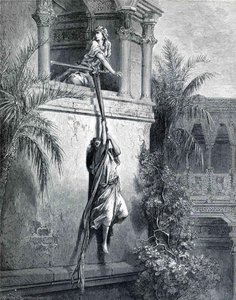
Gustave Doré’s “The Escape of David Through The Window” (1866) is a striking wood engraving depicting a perilous rescue scene from the Bible. Executed in meticulous detail, Doré blends realism with theatrical flair, utilizing bold lines and hatching to convey texture and depth within an architectural setting illuminated by dramatic lighting. This artwork exemplifies Romanticism’s penchant for emot
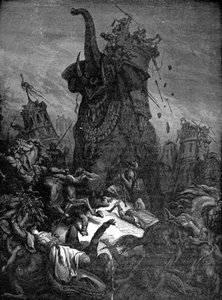
This artwork is a monumental wood engraving by Paul Gustave Doré, depicting the violent death of Eleazar at the hands of an elephant during the siege of Jerusalem. Executed in meticulous grayscale, it exemplifies Doré’s Romantic style—characterized by dramatic lighting, expressive linework, and a focus on conveying emotion through texture and perspective. The scene's composition is densely populat