Showing 2 artworks with Paul Gustave Doré and with Medieval Horror
-
Paul Gustave Doré
-
Medieval Horror
Not available for this selection
- Espresso
Not available for this selection
- Romantic Art
- Medieval Horror
- Dante Inferno
- Medieval Illustration
- Fine Art Reproduction
- Black White Printmaking
- Symbolic Imagery
- Medieval Literature
- Hell Cave Scene
- Symbolic Imagery Dante
- Gustave Doré Engraving
- Dramatic Composition
- Italian Literature
- Nineteenth Century Art
- Italian Renaissance Art
- Line Work Texture
- Art History
- Engraving Technique
- Emotional Depth
- Torture Punishment
- Hell Illustration
- Ugolino Dante
- Prisoner Suffering
- Dramatic Lighting
- Black And White Engraving
- Fine Line Detail
- Doré Artwork
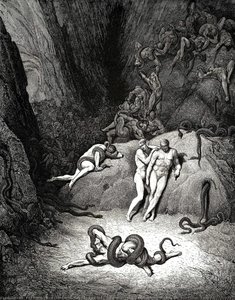
A masterpiece of dramatic illustration, Doré’s engraving remains a powerful visual representation of Dante's epic poem. Paul Gustave Doré The Inferno, Canto 25, lines 59-61. The other two Look’d on exclaiming. “Ah, how dost thou change, Agnello!” Strasbourg France 1832 1883 This engraving vividly portrays Dante's Inferno, showcasing a claustrophobic cave scene illuminated by dramatic lighti
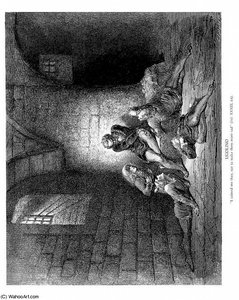
This striking black-and-white engraving portrays Ugolino and his sons enduring horrific starvation within a dark dungeon, embodying themes of suffering and despair. Doré's meticulous technique captures the emotional intensity of Dante's Inferno through detailed hatching and shading. Experience the haunting beauty of Gustave Doré's 'Ugolino,' a masterful engraving depicting Dante’s Inferno and Ugo