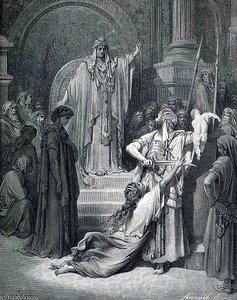
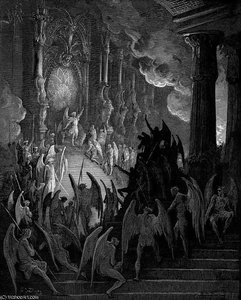
Showing 24 artworks out of 78 with Paul Gustave Doré and with Symbolic Imagery
-
Paul Gustave Doré
-
Symbolic Imagery
Not available for this selection
- Espresso
- Gray
- Celadon
- Rosy Brown
- Phthalo Green
- Putty
- White
- Black
Not available for this selection

- Symbolic Imagery
- Biblical Illustration
- Romanticism
- Medieval Art
- Gustave Doré
- Dramatic Lighting
- 19Th Century Art
- Dramatic Composition
- Gustave Doré Engraving
- Romantic Art
- Engraving
- Black And White Art
- Black And White Print
- Nineteenth Century Art
- Dante'S Inferno
- Monochromatic Print
- Fine Art Reproduction
- Gustave Dore
- Wood Engraving
- Doré Engraving
- Biblical Art
- Fine Line Engraving
- Fine Line Drawing
- Victorian Art
- Romantic Illustration
- Art History
- Religious Painting
- Romantic Engraving
- Detailed Artwork
- Hatching Technique
- Romantic Art Style
- Medieval Illustration
- Monochrome Print
- Chiaroscuro Technique
- Christian Iconography
- Victorian Era Art
- Medieval Art Style
- Religious Art
- Black And White Printmaking
- Engraving Technique
- Romantic Realism
- Illustration
- Linework Texture
- Fine Line Etching
- Dante Inferno
- Dramatic Art
- Victorian Illustration
- Medieval Literature
- Hell
- Biblical Engraving
A dramatic black and white engraving by Gustave Doré depicting Dante's Inferno, capturing intense emotion and meticulous detail with masterful linework—a cornerstone of Romantic art.
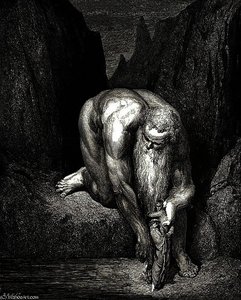
Paul Gustave Doré (66) This haunting engraving portrays Dante's Inferno Canto 31, capturing the terror and despair of Hell with meticulous linework and dramatic lighting. Inspired by Dante’s epic poem, Doré’s work exemplifies Romantic artistic fervor. Doré’s illustration for Dante's Inferno reflects the Romantic movement's preoccupation with emotion, imagination, and dark themes. It showcases h
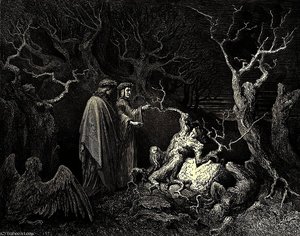
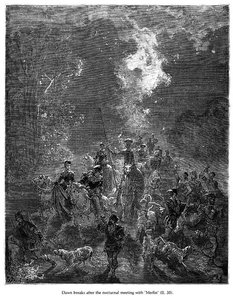
This engraving showcases Gustave Doré’s signature style, blending meticulous detail with dramatic chiaroscuro lighting to portray a solemn woodland tableau. Inspired by Romanticism, the artwork utilizes hatching and crosshatching techniques to convey texture and depth, capturing the essence of a narrative scene—likely from literature or mythology—characterized by symbolic elements like birds repre
Paul Gustave Louis Christophe Doré (UK: DOR-ay, US: dor-AY; French: [ɡystav dɔʁe]; 6 January 1832 – 23 January 1883) was a French printmaker, illustrator, painter, comics artist, caricaturist, and sculptor. He is best known for his prolific output of wood-engravings illustrating classic literature, especially those for the Vulgate Bible and Dante's Divine Comedy. These achieved great international
This artwork, ‘Crusades Cruelties of Bibars,’ exemplifies Gustave Doré’s signature style—Romantic Realism—characterized by meticulous detail and expressive tonal range achieved through hatching and cross-hatching techniques. Executed as an engraving or etching on metal plate, it portrays a chilling scene depicting severed heads amidst an architectural backdrop reminiscent of the Middle East, refle
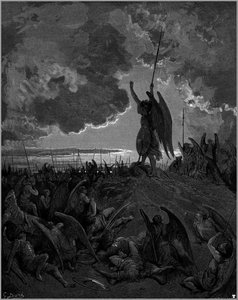
Gustave Dore Experience the dramatic intensity of Gustave Doré’s ‘They Heard, And Were Abashed, And Up They Sprung,’ a monumental engraving capturing biblical turmoil and divine judgment. Explore this Romantic masterpiece at ArtsDot.
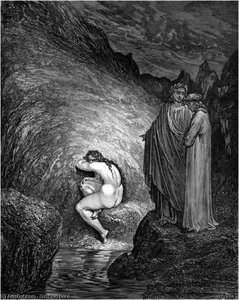
This engraving portrays Myrrha, a poignant scene from Dante’s Inferno where the soul of a wretched woman is revealed. Doré utilizes meticulous hatching and cross-hatching to convey depth and texture against a stark landscape backdrop. The dramatic lighting emphasizes despair and isolation, reflecting Romantic ideals while honoring classical artistic principles. Experience Gustave Doré's haunting
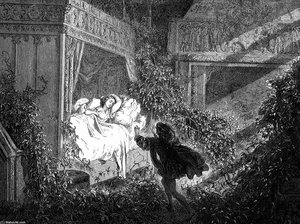
Gustave Doré (1832-1883) was a prolific artist recognized for his exceptional skill in engraving and illustration. His early career focused on caricatures before he gained fame as an illustrator of literary classics and fairy tales, cementing his legacy as one of the most influential artists of the Romantic era. The engraving showcases a princess reclining on an ornate bedchamber adorned with den
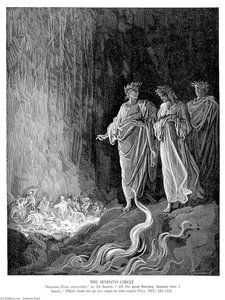
'The Seventh Circle II' by Gustave Dore is a striking Romantic illustration featuring three robed figures confronting a fiery pit. Its meticulous engraving technique—characterized by dense cross-hatching and expressive lines—evokes profound emotion and embodies Doré’s signature style. Delve into Gustave Doré's haunting depiction of Dante's Inferno II – a masterful wood engraving showcasing intric
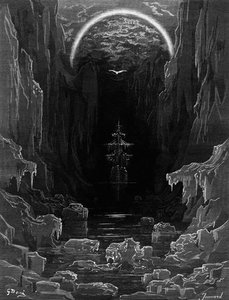
Paul Gustave Doré J.J. Grandville The Appearance Of The Albatross To Lead The Marooned Ship Out A breathtaking monochrome engraving depicting a ship emerging from an icy landscape, guided by an albatross under the moonlight. Doré’s meticulous line work and theatrical composition exemplify Romanticism, conveying themes of rescue and divine intervention. Copper plate, burin tool, ink, paper Eng
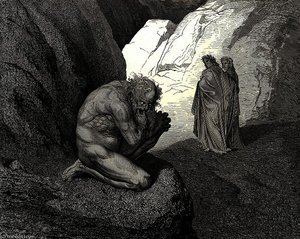
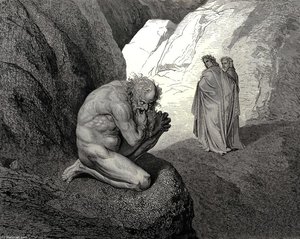
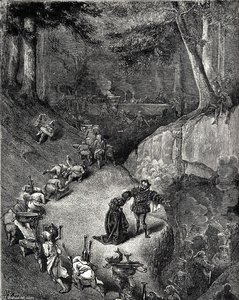
Paul Gustave Doré The Inferno, Canto 7 Strasbourg France 1832 The artwork is entirely monochromatic, relying on shades of gray to define form, texture, and depth. The image utilizes a triangular composition with the kneeling man forming the base, leading the eye upwards towards the two standing figures further back. The background consists of jagged rock faces that create a sense of enclosur
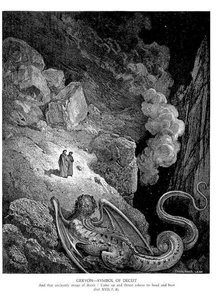
This engraving depicts a harrowing scene from Dante's Inferno, featuring a monstrous creature confronting humanity amidst desolate rock formations. Doré’s meticulous detail and masterful use of line work convey dread and symbolize deception. Created using etching technique on copper plate, this artwork showcases Romantic realism and captures the essence of gothic horror. Dive into Gustave Doré's
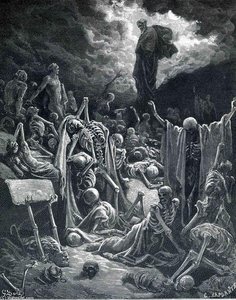
Gustave Doré Explore Gustave Doré's dramatic engraving "The Vision of the Valley of Dry Bones," depicting Ezekiel’s prophetic vision of resurrected bones—a masterpiece of Romantic illustration and symbolic storytelling.
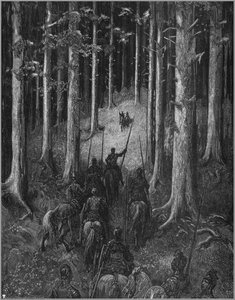
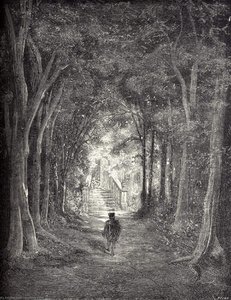
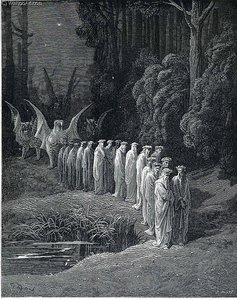
This untitled (6048) engraving by Gustave Doré exemplifies Romanticism’s fascination with biblical narratives and spiritual contemplation. Executed in monochrome, Doré utilizes detailed hatching and cross-hatching to convey textures—bark, fabric folds, flowing water—creating a palpable atmosphere of reverence. The symmetrical composition emphasizes the grandeur of the forest setting and the serene
Delve into Gustave Doré's masterful engraving 'untitled (8388)', inspired by Dante’s Inferno and capturing dramatic light & shadow within a cave scene—a cornerstone of Romantic illustration.
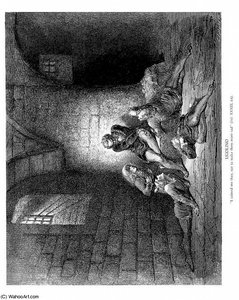
This striking black-and-white engraving portrays Ugolino and his sons enduring horrific starvation within a dark dungeon, embodying themes of suffering and despair. Doré's meticulous technique captures the emotional intensity of Dante's Inferno through detailed hatching and shading. Experience the haunting beauty of Gustave Doré's 'Ugolino,' a masterful engraving depicting Dante’s Inferno and Ugo
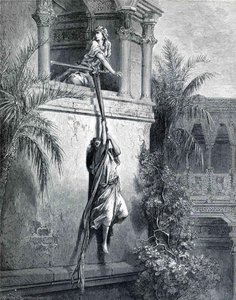
Gustave Doré’s “The Escape of David Through The Window” (1866) is a striking wood engraving depicting a perilous rescue scene from the Bible. Executed in meticulous detail, Doré blends realism with theatrical flair, utilizing bold lines and hatching to convey texture and depth within an architectural setting illuminated by dramatic lighting. This artwork exemplifies Romanticism’s penchant for emot
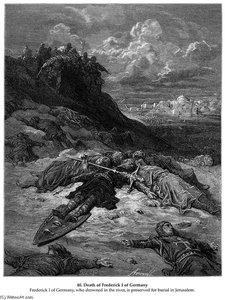
Witness the dramatic death of Holy Roman Emperor Frederick I in this stunning 19th-century Romantic engraving. Explore intricate details & powerful symbolism via Doré's masterful monochrome art.
‘Donkeyskin’ by Gustave Dore is a captivating Romantic illustration renowned for its detailed black and white engraving technique. Doré, born in Strasbourg in 1832, skillfully employed fine lines and hatching to convey texture and depth within the composition—a dramatic portrayal of biblical storytelling. The artwork showcases a dynamic perspective emphasizing narrative and symbolic elements like
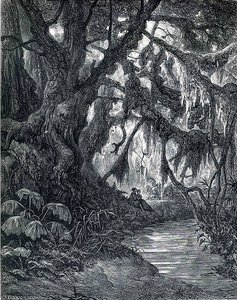
Paul Gustave Doré untitled (7034) Strasbourg France 1832 Monochrome gray and black with strong light-dark contrast. Vertically oriented, emphasizing tree height; winding river guides the eye into the forest depths. 1883 Overlapping forms, scale diminution, and tonal variation contribute to a profound sense of distance. Explore the captivating world of Gustave Doré through his iconic wood
Gustave Doré Delve into Gustave Doré's masterful engraving 'untitled (7546)'—a richly detailed depiction of biblical drama illuminated by directional lighting and executed with meticulous hatching techniques.