Showing 24 artworks out of more than 240+ with Paul Gustave Doré and with Accent

-
Paul Gustave Doré
-
Accent
Not available for this selection
- Romanticism
- Romantic Realism
- Romantic Illustration
- Romantic Movement
- Romantic Engraving
- Realistic Illustration
- Contemporary Realism
- Romantic Landscape Painting
- Romantic Academic Style
- Romantic Baroque
- Romantic Symbolism
- Romantic Era Illustration
- Romantic Horror
- Renaissance
- Horror Illustration
- Romantic Landscape Print
- Late Romantic Illustration
- Illustrative Realism
- Romantic Academic
- Romantic Academic Printmaking
- See all
- Espresso
- Gray
- Rosy Brown
- White
- Phthalo Green
- Celadon
- Sea Green
- Gustave Doré
- Romanticism
- Biblical Illustration
- Engraving
- Dramatic Lighting
- Symbolic Imagery
- Medieval Art
- Gustave Doré Engraving
- 19Th Century Art
- Dramatic Composition
- Fine Art Reproduction
- Black And White Print
- Romantic Illustration
- Illustration
- Wood Engraving
- Romantic Art
- Victorian Art
- Dante'S Inferno
- Fine Art Print
- Nineteenth Century Art
- Symbolism
- Gustave Dore
- Black And White Printmaking
- Black And White Art
- Romantic Realism
- Doré Engraving
- Religious Art
- Symbolic Art
- Biblical Art
- Etching Technique
- Engraving Technique
- Romantic Art Style
- Victorian Illustration
- Dante Inferno
- Medieval Illustration
- Fine Line Drawing
- Victorian Era Art
- Medieval Literature
- Etching
- Dramatic Art
- Chiaroscuro
- Dramatic Illustration
- Gustave Dore Engraving
- Monochromatic Print
- Fantasy Art
- Detailed Linework
- Romantic Engraving
- Gothic Art
- Doré Masterpiece
- Dramatic Chiaroscuro
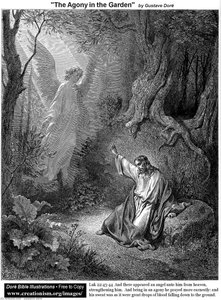
Paul Gustave Louis Christophe Doré (1832-1883) revolutionized illustration with his expressive style—characterized by detailed realism, theatrical compositions, and masterful etching techniques—establishing himself as a titan of Romantic art. Gustave Dore’s ‘The Agony In The Garden’ is a dramatic Romantic print depicting Jesus kneeling in prayer before his arrest, illuminated by an angelic presen
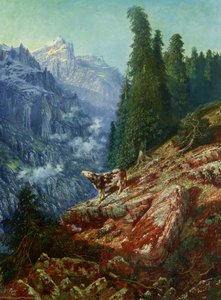
Gustave Doré’s Romantic masterpiece captures a solitary cow contemplating the vast mountain landscape—a poignant symbol of contemplation amidst breathtaking beauty. Explore this iconic 1852 painting and immerse yourself in Doré's dramatic style at ArtsDot.
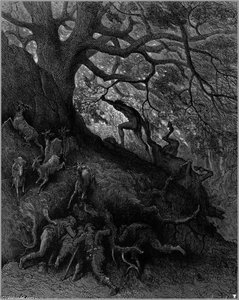
Admire Gustave Doré's masterful woodcut illustration of Orlando Furioso, depicting Angelica and Medoro's poignant inscription on ancient trees—a captivating piece from Victorian art history.
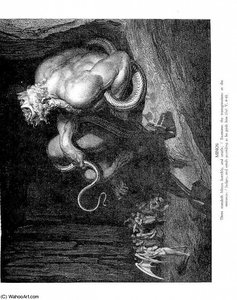
Gustave Doré Delve into Gustave Doré's masterful engraving 'Minos,' inspired by Greek mythology. Witness dramatic linework and stark contrasts illuminating a monstrous figure amidst shadowy steps – a cornerstone of Romantic realism.
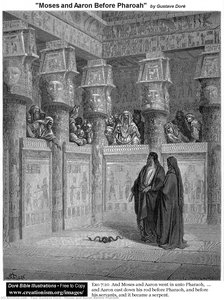
According to the Old Testament of the Bible, Aaron ( AIR-ən or ARR-ən) was an Israelite prophet, high priest, and the elder brother of Moses. Information about Aaron comes exclusively from religious texts, such as the Hebrew Bible, the New Testament (Luke, Acts, and Hebrews), and the Quran. The Hebrew Bible relates that, unlike Moses, who grew up in the Egyptian royal court, Aaron and his elder
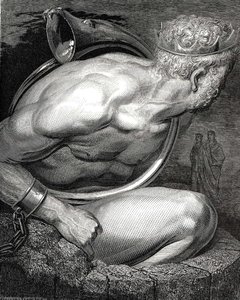
Admire Gustave Doré’s masterful depiction of Dante's Inferno Canto 31 in this stunning black and white engraving reproduction. Explore the dramatic composition, intricate detail, and symbolic elements of this iconic artwork. anto 31, lines 64-66: “O senseless spirit! let thy horn for thee Interpret. therewith vent thy rage, if rage Or other passion wring thee.” - A captivating black and white eng
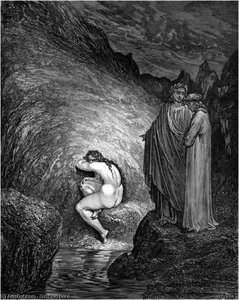
This engraving portrays Myrrha, a poignant scene from Dante’s Inferno where the soul of a wretched woman is revealed. Doré utilizes meticulous hatching and cross-hatching to convey depth and texture against a stark landscape backdrop. The dramatic lighting emphasizes despair and isolation, reflecting Romantic ideals while honoring classical artistic principles. Experience Gustave Doré's haunting
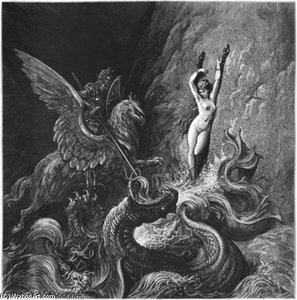
Gustave Doré's 'Ruggiero Rescuing Angelica' is a monumental wood engraving illustrating Dante’s Inferno, showcasing his unparalleled mastery of detail and storytelling. Created in 1867, this artwork captures a pivotal moment of bravery against formidable odds—a cornerstone of Romantic art history.
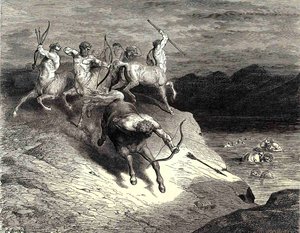
Paul Gustave Doré The Inferno, Canto 12 This haunting black and white etching captures Dante's Inferno, Canto XII, portraying a chaotic landscape dominated by bulls ridden by tormented souls. Doré’s meticulous cross-hatching technique conveys texture and depth, embodying Romantic drama and symbolizing the horrors of Hell. Metal plate (copper or zinc), etching needles, ink, paper. Etching Roma
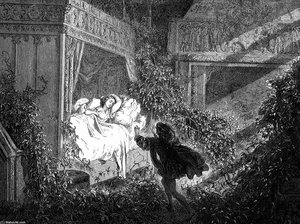
Gustave Doré (1832-1883) was a prolific artist recognized for his exceptional skill in engraving and illustration. His early career focused on caricatures before he gained fame as an illustrator of literary classics and fairy tales, cementing his legacy as one of the most influential artists of the Romantic era. The engraving showcases a princess reclining on an ornate bedchamber adorned with den
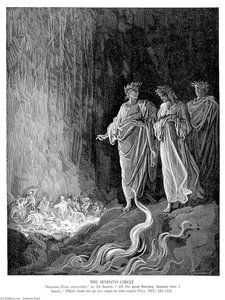
'The Seventh Circle II' by Gustave Dore is a striking Romantic illustration featuring three robed figures confronting a fiery pit. Its meticulous engraving technique—characterized by dense cross-hatching and expressive lines—evokes profound emotion and embodies Doré’s signature style. Delve into Gustave Doré's haunting depiction of Dante's Inferno II – a masterful wood engraving showcasing intric
Paul Gustave Doré (1832-1883) was a prolific artist known for his evocative wood engravings and illustrations, particularly his depictions of biblical narratives and Dante's Inferno. He achieved fame through collaborations with literary giants like Tennyson and Dickens, establishing himself as a cornerstone of Romantic illustration. Doré’s distinctive style—characterized by meticulous detail, chia
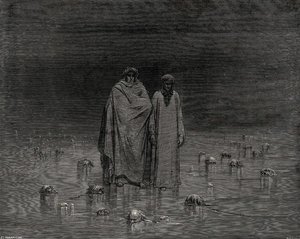
Gustave Doré Delve into Gustave Doré's masterful engraving 'untitled (6572)', depicting figures submerged in water—a poignant exploration of faith, despair, and artistic brilliance from the Romantic era.
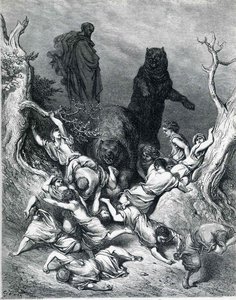
Explore Gustave Doré's dramatic engraving 'untitled (2073)' depicting a perilous encounter between humans and a bear within a haunting forest landscape. Witness masterful linework and tonal shading capturing the tension of mythic storytelling.
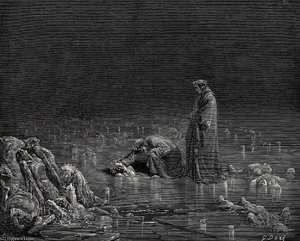
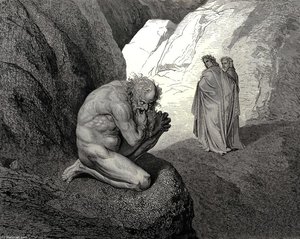
Paul Gustave Doré The Inferno, Canto 7 Strasbourg France 1832 The artwork is entirely monochromatic, relying on shades of gray to define form, texture, and depth. The image utilizes a triangular composition with the kneeling man forming the base, leading the eye upwards towards the two standing figures further back. The background consists of jagged rock faces that create a sense of enclosur
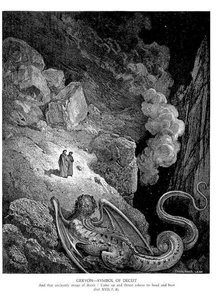
This engraving depicts a harrowing scene from Dante's Inferno, featuring a monstrous creature confronting humanity amidst desolate rock formations. Doré’s meticulous detail and masterful use of line work convey dread and symbolize deception. Created using etching technique on copper plate, this artwork showcases Romantic realism and captures the essence of gothic horror. Dive into Gustave Doré's
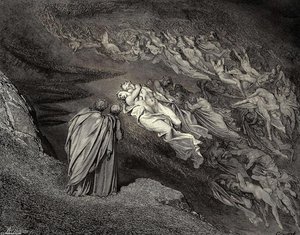
Experience the harrowing beauty of Dante's Inferno through Doré’s masterful engraving! Witness tormented souls and dramatic lighting as he captures the essence of Hell with unparalleled detail.
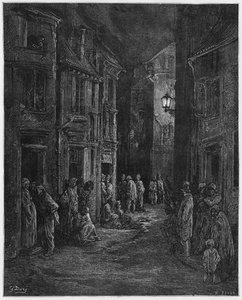
Explore Gustave Doré's poignant depiction of London’s impoverished Bluegate Fields slum in 'The Picture of Dorian Gray.' This evocative wood engraving captures social realism and despair with masterful detail. This artwork presents a detailed and atmospheric depiction of a narrow, urban street scene rendered in black and white. It evokes a sense of poverty, hardship, and social commentary through
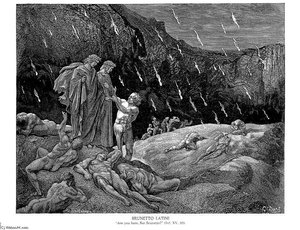
Paul Gustave Doré Brunetto Latini Monochromatic (Shades of Gray) Horizontally oriented landscape emphasizing breadth; central grouping of three figures dominates the foreground. This engraving portrays Brunetto Latini, a Florentine scholar, confronting two figures in Hell's desolate landscape under torrential rain. Doré’s signature illustrative realism utilizes dramatic composition and express
Paul Gustave Louis Christophe Doré (UK: DOR-ay, US: dor-AY; French: [ɡystav dɔʁe]; 6 January 1832 – 23 January 1883) was a French printmaker, illustrator, painter, comics artist, caricaturist, and sculptor. He is best known for his prolific output of wood-engravings illustrating classic literature, especially those for the Vulgate Bible and Dante's Divine Comedy. Doré's Dante illustrations cement