Showing 6 artworks with Paul Klee and with 1929
-
Paul Klee
-
1929
Not available for this selection
- Walnut
- Phthalo Green
- Rosy Brown
- Clay
- Red
Not available for this selection
- Paul Klee
- Abstract Art
- Modern Art
- Expressionism
- Bauhaus
- Color Theory
- Cubism
- Color Palette
- Swiss Artist
- Geometric Shapes
- Bauhaus Influence
- German Artist
- Wall Hanging
- Klee Dream Art
- Blues Orange Red
- Decorative Art
- Watercolor Painting
- Minimalist Composition
- Dream Painting
- Pyramid Architecture
- Black Squares
- Horizontal Lines
- Geometric Forms
- Visual Language
- Linear Spontaneous
- Red Background
- Geometric Art
- Contemporary Art
- Dynamic Art
- 1929 Artwork
- Art History
- Monochrome Painting
- Expressionism Art
- Geometric Abstraction
- Gouache Painting
- Vibrant Colors
- Gift Idea
- Egyptian Influence
- Symbolic Art
- 1920S Art
- Surrealist Imagery
- 1929 Painting
- Eye Motif
- Surrealism
- Fire
- Modern Art Style
- Oil Painting
- Modern Masterpiece
- Human Psyche
- Swiss Art
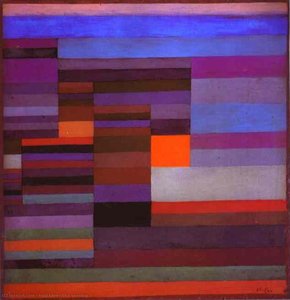
Explore Paul Klee's 'Fire evening,' a captivating 1929 abstract oil painting. Geometric shapes and vibrant colors evoke emotion and depth, showcasing Klee’s mastery of color theory.
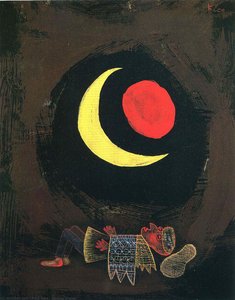
Explore Paul Klee’s ‘Strong Dream,’ a 1929 Expressionist gouache masterpiece. Discover its symbolic depth, vibrant colors & surreal composition – a timeless work of modern art.
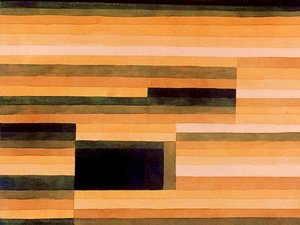
Paul Klee's 'Rock Chamber,' painted in 1929, exemplifies his signature style – a harmonious blend of abstraction rooted in musical principles. Characterized by vibrant blocks of color punctuated by monumental black squares, the artwork embodies Klee’s fascination with geometric forms and expressive chromaticism. Influenced by Expressionism, Cubism, and Surrealism, he sought to convey emotional res
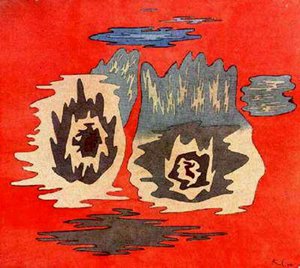
Paul Klee’s surrealist painting ‘The Place of the Twins,’ featuring mesmerizing eyes against a crimson backdrop, embodies expressive abstraction and explores themes of duality. Discover this evocative artwork from 1929 and bring its captivating vision home.
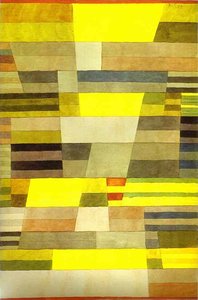
Further investigation reveals ‘Monument’ as a key piece reflecting Klee’s desert landscapes and showcasing his masterful use of horizontal lines alongside diagonal accents. Its prominence at Kunstsammlung NRW and Museo Frida Kahlo underscores its enduring artistic significance.