Showing 10 artworks with Pierre-Auguste Renoir and with 1873 and with Landscape
-
Pierre-Auguste Renoir
-
1873
-
Landscape
Not available for this selection
- Putty
- Driftwood
- Gray
- Phthalo Green
- Espresso
- Rosy Brown
- Impressionism
- Renoir
- Color
- Landscape
- Painting
- Pierre Auguste Renoir
- 1873
- Light
- French Impressionist
- French Art
- Brushstrokes
- Renoir Painting
- Fine Art Reproduction
- Nature Painting
- Beauty
- Monet Painting In His Garden At Argenteuil
- Paris
- French Art History
- Landscape Art
- Botanical Art
- Argenteuil
- Light And Color
- Plein Air
- Pastoral Landscape
- Art
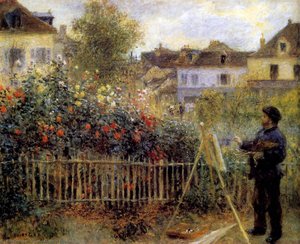
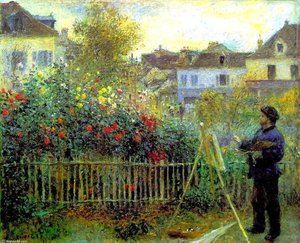
Witness artistic collaboration! Renoir's intimate painting captures Monet at work in his Argenteuil garden, showcasing Impressionism's beauty & light.
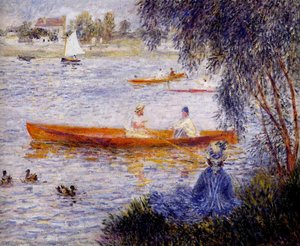
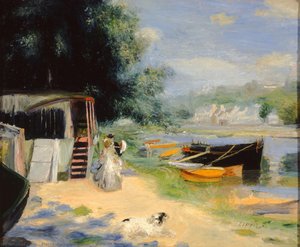
Renoir's "Boating at Argenteuil" captures an idyllic Impressionist scene of a family outing on the Seine. Explore light, color, and everyday life through Renoir’s masterful brushstrokes – a timeless masterpiece.
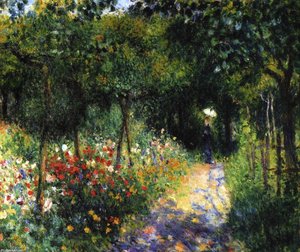
Explore Pierre-Auguste Renoir's "Women in a Garden," capturing Impressionist beauty with luminous light and vibrant color. Discover its composition, techniques & significance in art history at ArtsDot.com.
Pierre Renoir, son of the celebrated Impressionist painter Pierre-Auguste Renoir, was a prolific stage and film actor known for portraying Inspector Jules Maigret in *Night at the Crossroads*. His filmography includes roles in *Madame Bovary*, *Wolves Between Them*, and *The Citadel of Silence*, showcasing his versatility as an artist. Explore more about Renoir's life and career on Wikipedia.
Explore Renoir's artistic journey, influenced by Rubens & Watteau, and discover how "La Grenouillère" cemented his place as a pivotal figure in Impressionist movement.
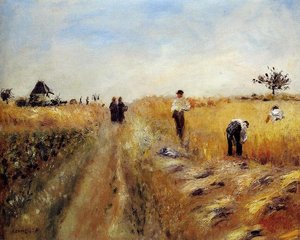
Experience the vibrant beauty of Renoir's 'The Harvesters'! This iconic Impressionist painting captures rural life with masterful brushwork and luminous colors. Own a stunning reproduction today!
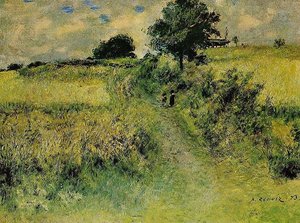
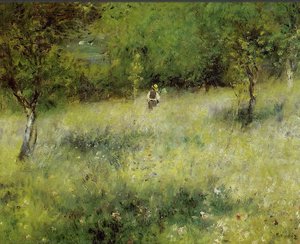
This painting exemplifies Renoir’s unwavering commitment to Impressionism’s revolutionary approach to artmaking. Unlike academic painters who prioritized meticulous detail and idealized forms, Renoir sought to capture the fleeting effects of light and atmosphere—the way sunlight transforms colors and shapes as it passes through vegetation.