Showing 3 artworks with Pieter Bruegel The Elder and with 1560 and with Renaissance Art
-
Pieter Bruegel The Elder
-
1560
-
Renaissance Art
Not available for this selection
- Black
- Espresso
- Walnut
- Renaissance Art
- Medieval Art
- Flemish Painting
- Village Life
- Childrens Games
- Northern Renaissance
- Serving Plates
- Social Commentary
- Pieter Bruegel Elder
- Moral Lessons
- Kunsthistorisches Museum
- Satirical Artwork
- 16Th Century
- Historical Art
- 16Th Century Art
- Perspective View
- Dutch Proverbs
- Symbolism
- Flemish Painter
- Vibrant Colors
- Detailed Illustration
- Allegorical Painting
- Genre Scene
- Pieter Bruegel The Elder
- Vienna
- Painting Reproduction
- Human Folly
- Circular Scenes
- Detailed Artwork
- Landscape Painting
- Oil Painting
- Red Background
- Childhood
- Children'S Games
- Playful Activity
- Pieter Bruegel
- Bruegel Elder
- Outdoor Games
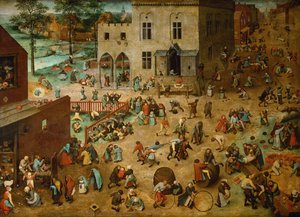
Considered a cornerstone of Northern Renaissance art, ‘Children’s Games’ exemplifies Bruegel's humanist approach and masterful use of perspective. Scholars debate whether the seemingly frivolous games represent a critique of human folly or simply an honest portrayal of everyday life.
Bruegel's 'Children's Games' (1560) captures the joy of childhood with vivid detail. Explore a bustling Renaissance scene & discover societal reflections.
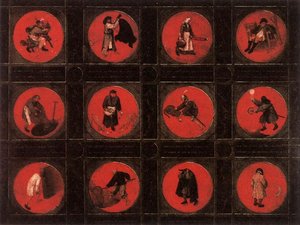
Pieter Bruegel the Elder’s “Twelve Proverbs,” created around 1560, is an iconic oil-on-panel painting reflecting Northern Renaissance ideals. Featuring twelve interconnected vignettes depicting everyday life and moral lessons—illustrated on serving plates—it exemplifies Bruegel's satirical genius and enduring influence on art history. Explore its symbolism and discover more at WikiArt.