Showing 7 artworks with Pieter Bruegel The Elder and with Winter Scene
-
Pieter Bruegel The Elder
-
Winter Scene
- Gray
- Sap Green
- Walnut
- Putty
Not available for this selection
- Winter Scene
- Bruegel
- Pieter Bruegel
- Composition
- Detail
- Northern Renaissance
- Snow
- Landscape
- Snow Landscape
- Oil On Panel
- Flemish Painting
- Oil Painting
- 16Th Century
- Flemish Art
- November
- Horses
- Living Room Decor
- Symbolism
- Bold Scarlet
- Home Decor
- Nature Theme
- Winter Animals
- Mannerism Style
- Renaissance Style
- Biblical Illustration
- Everyday Life
- Dutch Painting
- Office Wall Art
- Dutch Renaissance
- Perspective
- Fox Hunt
- 1566 Artwork
- Art History
- Religious
- Bruegel Artwork
- Historical Art
- Northern Art
- Dynamic
- Color Palette
- Census At Bethlehem
- Prudence
- Rural Life
- Cattle
- Hunters
- Gift Idea
- Religious Art
- Renaissance
- Melancholy Vibe
- Chiaroscuro
- Genre Artwork
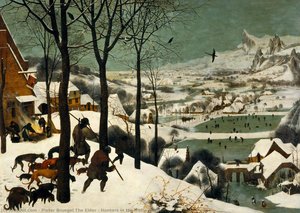
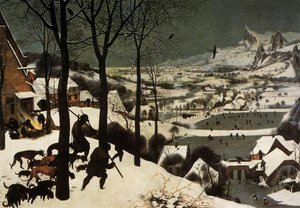
Pieter Bruegel's 'Hunters in the Snow (Winter)' (1565) captures a vibrant winter scene with hunters, ice-skaters, and festive details – a masterful blend of realism and storytelling from Northern Europe’s Renaissance.
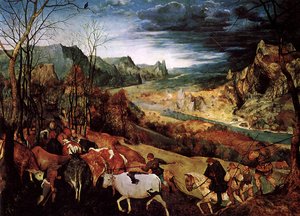
Pieter Bruegel's "The Return of the Herd" (November) captures a snowy winter scene with cattle, horses, and villagers – a masterpiece of Northern Renaissance landscape painting.
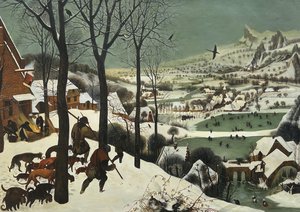
Discover Pieter Bruegel the Elder’s The Hunters in the Snow – a striking Mannerist masterpiece capturing winter hunters and moral depth. Own this iconic wall art today at ArtsDot.com
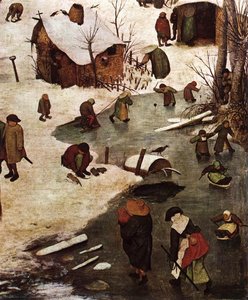
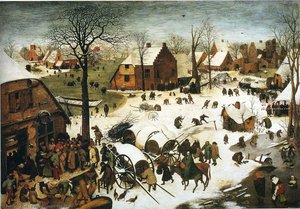
Pieter Bruegel's 'The Census at Bethlehem' (1566) depicts a bustling winter scene with symbolic depth, showcasing the artist’s mastery of realism and social commentary in a captivating oil-on-panel masterpiece.
Pieter Bruegel’s “The Numbering at Bethlehem” dazzles with trompe l'oeil illusionism and captures a vibrant winter village scene—a masterful blend of biblical narrative and humanist observation during the Northern Renaissance. Explore this iconic masterpiece and bring its timeless beauty into your home.
Pieter Bruegel's 'Prudence' (1559) captures a lively communal gathering embodying wisdom and foresight – a masterful study of human interaction & moral virtue by the Flemish Renaissance master.