Showing 5 artworks with Sakai Hōitsu
-
Sakai Hōitsu
Not available for this selection
- Driftwood
- Espresso
- Rosy Brown
- Putty
- Edo Period Art
- Sakai Hōitsu
- Ink Wash Painting
- Zen Garden Art
- Traditional Japanese
- Sumi-E Artwork
- Lotus Flower Art
- Kannon Artwork
- Butterfly Motif Art
- Red Fruit Painting
- Zen Landscape Art
- Japanese Painting
- Mottled Ink Style
- Elegant Scroll Art
- Buddhist Deity
- Buddhist Art
- Traditional Japanese Art
- Floral Japanese Art
- Vintage Scroll Art
- Rinpa Style Art
- White-Robed Figure
- Monochrome Art
- Japanese Nature Art
- Nature Inspired Art
- Bamboo Painting
- Tarashikomi Technique
- Japanese Scroll
- Ink Painting Art
- Japanese Sumi-E
- Fine Art Prints
- Vintage Ink Art
- Graceful Crane Art
- Japanese Floral Motif
- Sakai Hoitsu
- Minimalist Art
- Crane Paintings
- Celestial Art
- Black And White Art
- Japanese Ink Painting
- Hollyhock Flowers
- Rinpa School
- Peony Flower Art
- Floral Art Japan
- Floral Ink Painting
- Japanese Aesthetics
- Persimmon Tree
- Negative Space Art
- Japanese Scroll Painting
- Prince’S-Feather Flowers
- Zen Buddhism
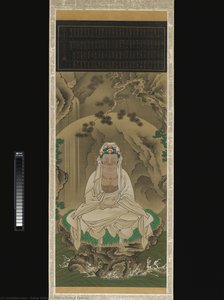
Discover 'White-Robed Kannon' by Sakai Hōitsu (1823). A serene Buddhist masterpiece featuring a radiant figure in monochrome ink wash, embodying tranquility & Rinpa style. Explore Edo period artistry.
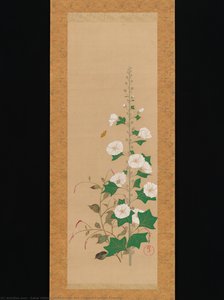
Sakai Hōitsu’s ‘Hollyhocks & Prince’s-Feather Flowers’ (1801) showcases serene Rinpa style, delicate inkwork, and natural beauty. Admire this Edo period scroll's elegance & symbolism.
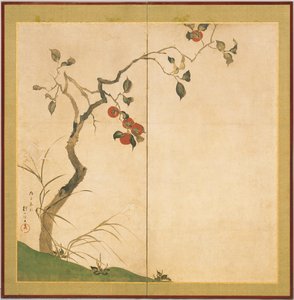
Vibrant red fruit hangs from an intricately detailed tree in this Rinpa school masterpiece by Sakai Hōitsu from 1816, blending Japanese tradition with realism to invite you to explore this exquisite Edo period treasure.
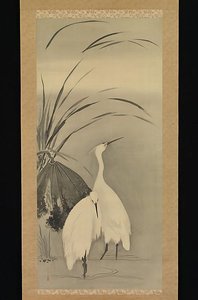
Discover 'Two Egrets and Lotus' by Sakai Hōitsu (1828). This serene Sumi-e painting exemplifies Edo period artistry, showcasing minimalist beauty & Zen themes. Explore Japanese art history.
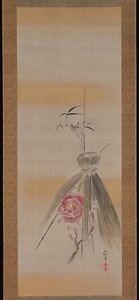
Discover "Peony Sheltered by Rice Straw" by Sakai Hōitsu – a stunning Sumi-e ink painting of peonies & bamboo. Explore Edo period artistry & serene beauty in this 1829 masterpiece.