Showing 8 artworks with Sir Edwin Henry Landseer

-
Sir Edwin Henry Landseer
Not available for this selection
- Gray
- Phthalo Green
- Espresso
- Walnut
- Rosy Brown
- Victorian Art
- Painting
- Landseer
- British Art
- Animal Painting
- Detail
- Animals
- Oil Painting
- Scottish Deer Hunting
- Mortality Symbolism
- Dead Stag Portrait
- Nature
- Wildlife
- Landseer Artwork
- Portrait
- Landscape
- Dogs
- Victorian
- Serene
- Men
- Animalier
- Tiger
- Composition
- Romantic Animal Portrait
- Classic Art
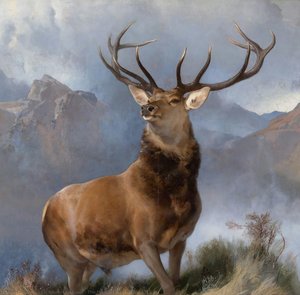
Witness the majesty of Scotland's Highlands! Sir Edwin Landseer’s "The Monarch of the Glen" captures a regal stag in breathtaking detail, a Victorian icon of wilderness and nobility.
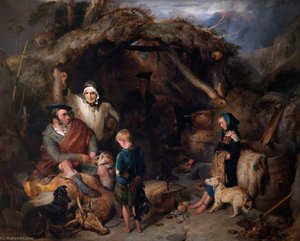
Witness the captivating 'The Illicit Highland Whisky Still' by Sir Edwin Landseer – a Victorian masterpiece depicting a rustic gathering around a fireplace. Explore this iconic oil painting’s rich details and historical context.
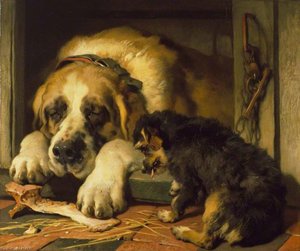
Experience Romanticism's poignant realism with Landseer's masterful depiction of two dogs; discover this Victorian gem today.
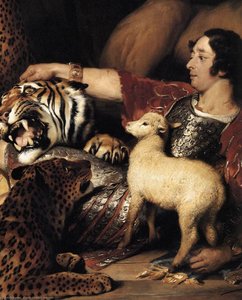
Sir Edwin Landseer's 'Isaac van Amburgh and his Animals' (1839) captures a unique scene: a man with a tiger and sheep, reflecting Victorian society & animal artistry.
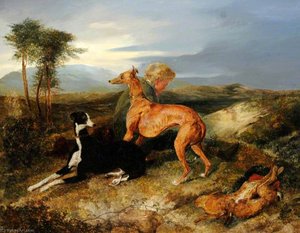
Sir Edwin Landseer's 'A Boy and Two Greyhounds' captures Victorian sentiment with a poignant scene of companionship. A stunning oil painting, rich in detail & emotion.
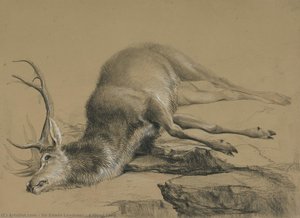
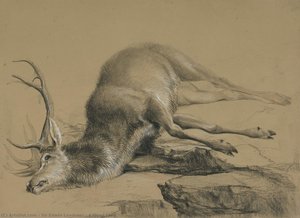
This graphite pencil drawing portrays a dead stag on a rocky outcrop with meticulous detail, showcasing Landseer’s skill in conveying texture and form. Inspired by Scottish deer stalking, it embodies Victorian artistic ideals.
This evocative drawing by Sir Edwin Henry Landseer portrays a lifeless stag on a rocky outcrop, reflecting themes of mortality and Victorian artistic tradition. Rendered in graphite or charcoal with masterful hatching and shading, it exemplifies Landseer’s dedication to anatomical accuracy and emotional nuance.
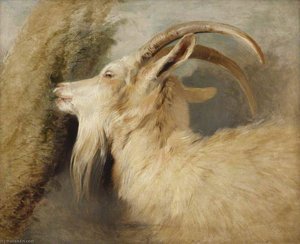
Sir Edwin Landseer's "Head of a Goat" (1833) captures the majestic beauty of this animal with remarkable detail and realism, reflecting Victorian era sentimentality.