Showing 24 artworks out of 124 with Sir John Lavery and with artwork date before 1924 and with artwork date after 1914

-
Sir John Lavery
-
-1924
-
1914+
Not available for this selection
- Impressionism
- Contemporary Realism
- Impressionistic Landscape
- Scottish Impressionism
- Post-Impressionism
- Edwardian Portraiture Tradition
- Edwardian Portraiture
- Impressionistic Painting
- Edwardian Era Painting
- Impressionist Landscape Painting
- Glasgow School Movement
- Edwardian Realism
- Early 20Th Century Realism
- Impressionist Portraiture
- Glasgow School Impressionism
- John Lavery, Portraiture
- Edwardian Maritime Painting
- Glasgow School Realism
- See all
- Espresso
- Gray
- Rosy Brown
- Phthalo Green
- Celadon
- Cobalt Violet
- Sap Green
- Steel Blue
- Walnut
- Driftwood
- Quinacridone Magenta
- Clay
- Brown
- Bronze
- Impressionism
- Sir John Lavery
- Lavery Painting
- Lavery
- British Art
- Oil Painting
- Painting
- Portraiture
- Edwardian Art
- 1917
- Edwardian Era
- Landscape Painting
- Portrait
- Impressionist Painting
- John Lavery
- Wartime
- Seascape
- Historical Painting
- Irish Artist Lavery
- John
- Brushstrokes
- Oil On Canvas
- Oil Paint
- Industrial Scene
- Historical
- World War I Art
- Oil On Canvas Art
- Wwi
- British Art History
- Irish Art
- British Painter
- British Wartime Art
- Fine Art Print
- Maritime Art
- Atmospheric Perspective
- Irish Artist
- Realism
- Irish Painter
- Coastal Scene Art
- Industrial
- Ships
- Factory Scene Art
- Lavery Irish Artist
- Atmosphere
- Lavery Art
- Wall Art
- Fine Art Reproduction
- Scottish Impressionism
- Vintage Art Print
- Scottish Art
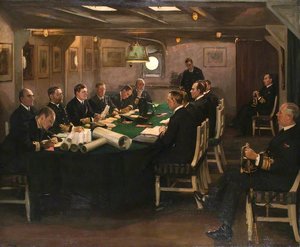
Sir John Lavery’s "The End" captures Admiral Beatty's resolute face amidst the tension of the German Navy surrender (1918). A monochrome masterpiece, it reflects a pivotal moment in WWI history.
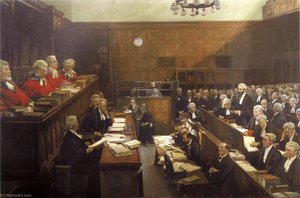
Sir John Lavery’s *High Treason: The Trial of Roger Casement,* painted in 1916, portrays the final day of Casement's appeal against his treason conviction before five judges at the Court of Criminal Appeal in London. Commissioned by Lord Charles Darling, whose portrait Lavery had previously completed, the painting captures a pivotal moment in Irish history and legal proceedings. Detailed research
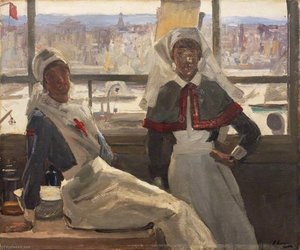
Witness Sir John Lavery’s poignant "Le Havre, 1919" – a powerful portrait of nurses Billam and Currier amidst WWI's devastation. Impressionistic elegance meets historical significance.
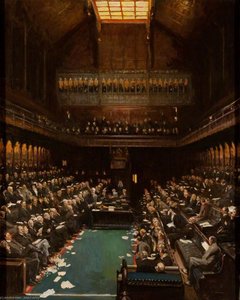
Witness history! Sir John Lavery's 'Macdonald Addressing Commons' captures Ramsay Macdonald's pivotal speech in the House of Commons, 1923. A masterpiece of realism and political significance.
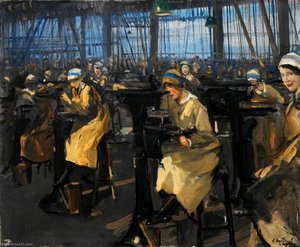
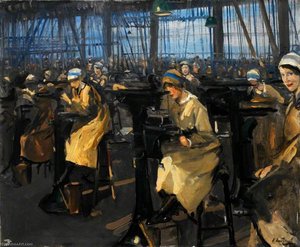
Witness 'Elswick, 1917' by Sir John Lavery – a powerful oil painting capturing industrial resilience during WWI. See women at work in Armstrong Whitworth’s factory, showcasing Glasgow School aesthetics.
Sir John Lavery’s ‘Elswick, 1917’ captures the industrious spirit of women at work during WWI in a striking black and white portrait, showcasing his mastery and offering a timeless glimpse into wartime society. Discover this iconic artwork and bring it home.
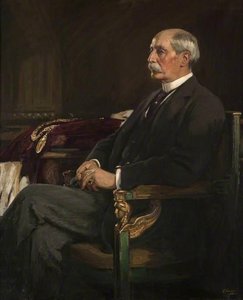
Admire Sir James Watson Stewart, Lord Provost of Glasgow, captured in a striking portrait by John Lavery (1921). Explore the life and legacy of this influential figure through this captivating artwork.
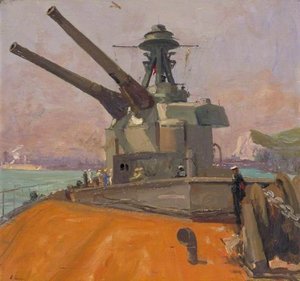
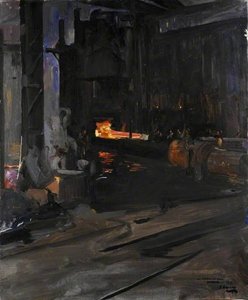
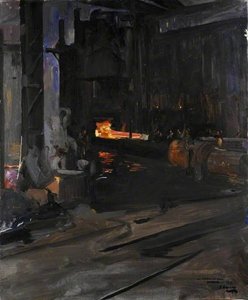
Sir John Lavery’s ‘A Naval Gun…’ captures Newcastle’s industrial spirit in a dynamic oil painting. Explore its textured brushwork, dramatic lighting & evocative depiction of forging – a unique Post-Impressionist piece.
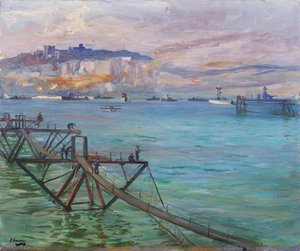
Experience the evocative Impressionist painting "The Entrance, Dover Harbour, 1918" by Sir John Lavery! Capturing wartime life and coastal beauty, this masterpiece showcases vibrant colors & brushstrokes.
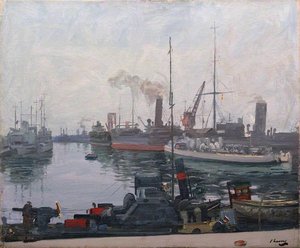
Sir John Lavery's 'Leith' captures the bustling wartime harbor scene with muted colors and atmospheric brushstrokes, reflecting industrial activity & somber mood.
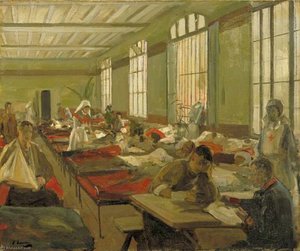
Sir John Lavery’s "German Wounded, Le Havre" (1919) depicts wartime suffering in a poignant realism. Explore this impactful oil painting's muted tones & layered composition – a testament to resilience.
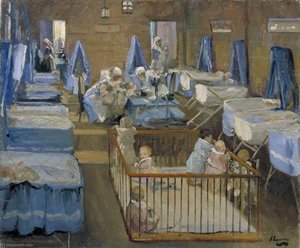
Sir John Lavery’s luminous ‘Lady Henry’s Crèche,’ painted in 1919, captures Edwardian compassion through Impressionistic brushstrokes and tranquil color palettes—a poignant tribute to Lady Henry Wentworth's pioneering hospital nurseries.
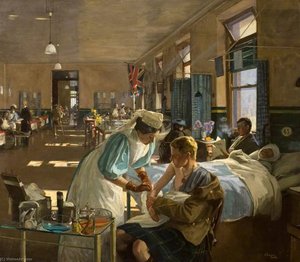
Sir John Lavery's poignant "The First Wounded" captures a London Hospital scene from 1914, depicting a nurse tending to a wounded soldier amidst wartime chaos – a powerful testament to compassion and resilience.
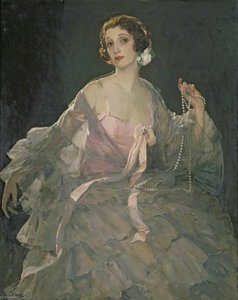
Admire Sir John Lavery's "Mrs Lavery Sketching" – a captivating portrait of Hazel Lavery, his muse and model. This oil painting captures her beauty & artistic spirit in Morocco, 1910.
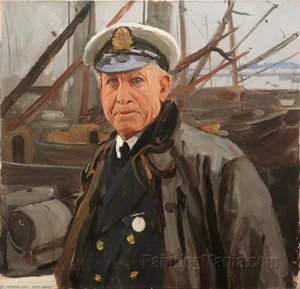
Sir John Lavery’s masterful maritime portrait captures the stoic gaze of Captain William Lyons aboard HMS Semiramis during WWI, showcasing bold brushstrokes and vibrant hues in a timeless depiction of naval life. Explore exquisite reproductions at ArtsDot.com.
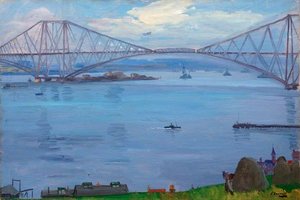
Admire Sir John Lavery's evocative depiction of the Forth Bridge – a masterpiece of Scottish Impressionism capturing its grandeur against serene skies and water. Explore ArtsDot’s collection today!
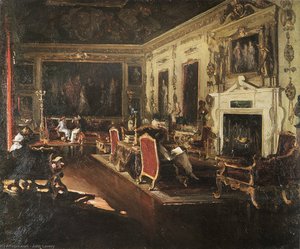
Experience Sir John Lavery’s ‘The Van Dyck Room, Wilton,’ a captivating 1920 oil painting depicting an elegant Edwardian gathering within a grand interior. This stunning artwork showcases Lavery's portraiture style and offers a glimpse into society's refined atmosphere – discover yours today.
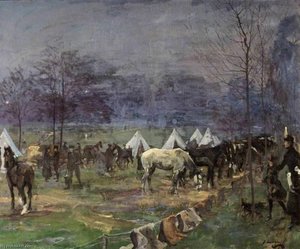
Explore Sir John Lavery’s ‘Green Park, London’ (1914). An oil painting of soldiers & horses in a winter encampment. Realism meets impressionism – a unique historical piece.
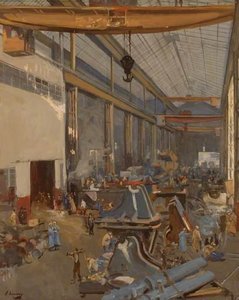
Sir John Lavery's "Munitions, Newcastle" (1917) captures the industrial heart of wartime Britain – a bustling munitions factory scene brimming with activity and raw determination.
A Naval Gun in the Hydraulic Press Elswick Works, Newcastle upon Tyne
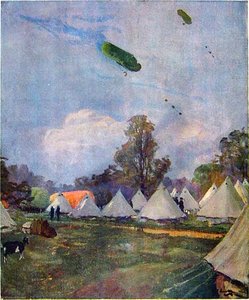
John Lavery's 'Kite Balloons,' painted in 1914, embodies Impressionistic ideals with loose brushstrokes capturing the tranquility of rural Britain before World War I. Explore this serene landscape and its subtle commentary on societal anxieties.
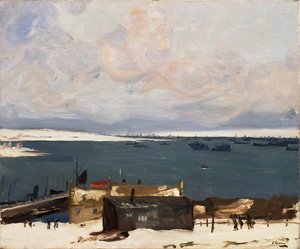
Sir John Lavery's "Long Hope Orkney" captures the rugged beauty of the Scottish island coast. This evocative oil painting, painted in 1917, showcases Lavery’s impressionistic style and wartime context – a stunning reproduction.
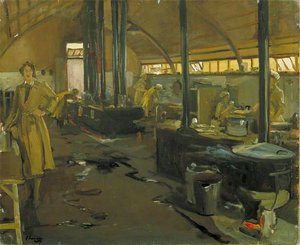
Sir John Lavery's 'Queen Mary's Army Auxiliary Corps Cookhouse' (1919) captures the vital role of women during WWI, showcasing camaraderie & industrial realism in a bustling cookhouse scene. View this Imperial War Museum masterpiece.