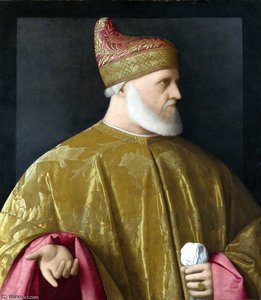
Showing 5 artworks with Vincenzo Catena and with Shadow

-
Vincenzo Catena
-
Shadow
Not available for this selection
- Phthalo Green
- Driftwood
- Rosy Brown
- Putty
- Coral
- Vincenzo Catena
- Venetian Renaissance
- Medieval Art
- Renaissance Painting
- Early Renaissance
- Bearded Man
- Madonna And Child
- Holy Family Painting
- Book
- Warm Natural Tones
- Renaissance Figures
- Sword Figure
- Catholic Art
- 16Th Century
- Giorgione Style
- Warm Color Palette
- Religious Painting
- Holy Martyr Painting
- Fine Art Reproduction
- Judith Painting
- Earth Tone Palette
- Red Dress Artwork
- Giangiorgio Trissino
- Portrait
- Portrait Sculpture
- Religious Oil Scene
- Saint Francis Artwork
- Oil On Panel
- Titian Inspiration
- Italian Art History
- Venetian Art
- 1510 Oil Painting
- Classical Style
- Renaissance Art
- Detailed Artwork
- Oil Painting
- Oil Paint Technique
- Italian Art
- Nobleman
- Catena Vincenzo Art
- Mountainous Landscape
- Devotional Painting
- Classical Art
- Historical Figure
- Religious Art Italy
- Black Hat
- Bellini Influence
- Italian Renaissance
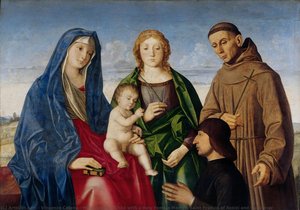
Renaissance oil painting by Vincenzo Catena (1510). Madonna & Child scene featuring Saint Francis & a martyr. Detailed realism, warm colors, and rich symbolism – a captivating devotional artwork.
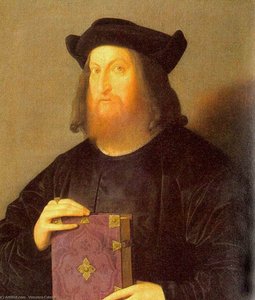
Admire Vincenzo Catena's masterpiece, "Giangiorgio Trissino" (1525). This captivating Renaissance painting depicts a noble figure, showcasing intricate details and Venetian artistry – a timeless treasure.
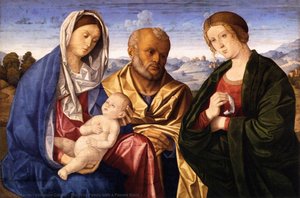
A warm and harmonious Venetian Renaissance oil painting by Vincenzo Catena featuring the Holy Family amidst a mountainous landscape, offering a timeless piece of history to grace your private collection.
Vincenzo Catena Initially, Catena’s style closely resembled that of Giovanni Bellini, a leading Venetian painter known for his serene Madonnas and refined technique. The earliest documented mention of Catena is an inscription on the back of La Laura by Giorgione, where he’s described as Giorgione's *colego* (colleague). However, it wasn’t until after Giorgione’s death in 1510 that his innovative