Showing 5 artworks with Wassily Wassilyevich Kandinsky and with 1922 and with Kandinsky
-
Wassily Wassilyevich Kandinsky
-
1922
-
Kandinsky
Not available for this selection
- Gray
- Phthalo Green
- Espresso
- Putty
Not available for this selection

- Expressionism
- Kandinsky
- Abstract Art
- Movement
- 1922
- Spirituality
- Russian Artist
- Bauhaus
- Geometric Shapes
- Modern Art
- Color
- Red
- Spiritual Art
- Bauhaus Influence
- Shape Composition
- Wood Painting
- Russian Art
- Symbolism
- Gouache Painting
- Geometric Abstraction
- Yellow
- Color Theory
- Line Drawing
- Woodcut
- Form
- Painting
- Klein Welten Vii
- Small Worlds
- Circles
- Green
- Wassily Kandinsky
- Color Lithograph
- Detail
- Geometric
- Small Worlds Vii
- Weimar
- 1920S
- Munich School
- Line
- Purple
- Lithograph
- Constructivism
- Kleine Welten
- Crown
- Blue Yellow Black
- Colors
- Object
- Composition
- Black White Art
- Monochrome Painting
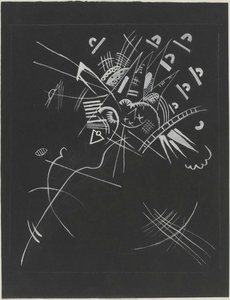
This monochrome study exemplifies Kandinsky’s modernist approach to abstraction. Characterized by intersecting lines and geometric shapes—inspired by Impressionism and Wagnerian opera—it conveys spiritual energy through a textured gouache surface. Discover the artist's pioneering role in Expressionism and Bauhaus aesthetics.
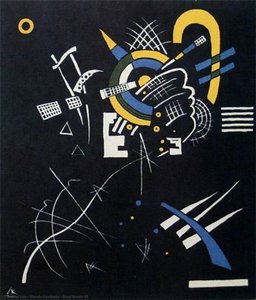
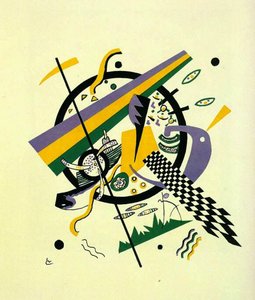
Witness Kandinsky's revolutionary abstraction with "Small Worlds VII." This vibrant wood painting, created in 1922, showcases geometric forms and bold colors – a cornerstone of modern art.
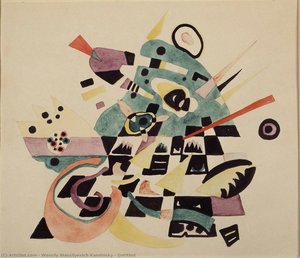
Explore Wassily Kandinsky's enigmatic 'Untitled,' a complex 1922 painting brimming with symbolic objects and figures, reflecting his pioneering abstraction & spiritual themes. A captivating glimpse into the artist’s creative process.
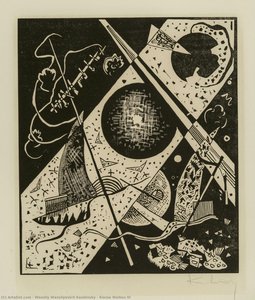
Discover Wassily Kandinsky's 'Kleine Welten VI'! This iconic 1922 woodcut, a cornerstone of abstract expressionism, showcases circles & color – a spiritual journey in form and line.
Explore Wassily Kandinsky's "Small Worlds IV" (1922). This lithograph showcases vibrant geometric shapes and colors, embodying his pioneering abstract expressionism and reflecting Constructivist influences.