Showing 24 artworks out of 26 with Wassily Wassilyevich Kandinsky

-
Wassily Wassilyevich Kandinsky
Not available for this selection
- Putty
- Phthalo Green
- Espresso
- Rosy Brown
- Sap Green
- Quinacridone Magenta
- Celadon
- Bronze
- Gray
- Brown
- Khaki
- Abstract Art
- Expressionism
- Color Theory
- Kandinsky
- Geometric Shapes
- Circles
- Wassily Kandinsky
- Russian Art
- Geometric Abstraction
- Bauhaus
- Landscape Painting
- Spirituality
- Kandinsky Painting
- Surrealism
- Oil Painting
- Modern Art
- Bauhaus Influence
- Painting Reproduction
- Movement
- Watercolor Painting
- Composition
- Wagner Opera
- Munich Academy
- Munich
- Abstract Expressionism
- Russian Artist Kandinsky
- Monochrome Print
- Painting Style
- Russian Artist
- Wassily Kandinsky Artwork
- Impressionism
- Symbolism
- Russian Painting
- Organic Forms
- Watercolor
- Russian Painter
- Painting
- Landscape
- Geometric Forms
- Vibrant Colors
- Spiritual Art
- Color Palette
- Floral Composition
- Dynamic Composition Movement
- Artistic
- Wassily Kandinsky Biography
- Heart Motif
- Bauhaus Art
- Geometric Shapes Color Palette
- Visual Harmony Abstraction
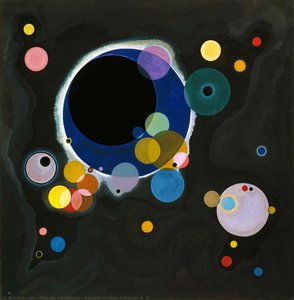
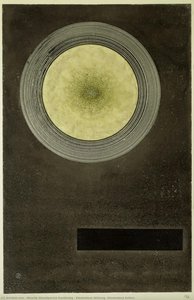
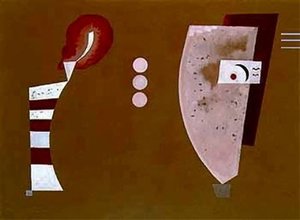
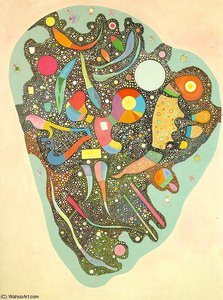
Dive into Kandinsky's 'Several Circles'! This iconic 1926 abstract masterpiece explores color & form, inviting a spiritual experience through geometric harmony and luminous depth.
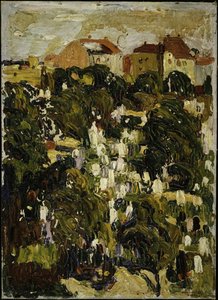
Explore Wassily Kandinsky's evocative cityscape painting 'München, Nördlicher Friedhof,' capturing Munich’s Northern Cemetary with vibrant colors and expressive brushstrokes – a cornerstone of abstract art.
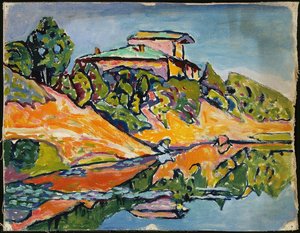
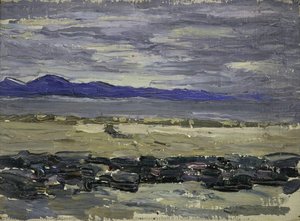
Wassily Kandinsky's 'Akhtyrka,' depicting a tranquil dacha nestled beside a pond, embodies his masterful blend of color and form. Inspired by Monet and Wagner, he pioneered abstraction with bold hues and dynamic compositions.
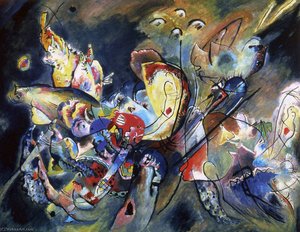
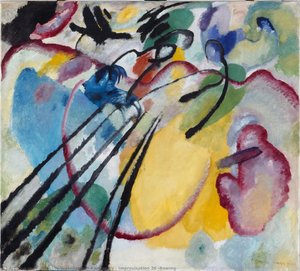
Experience the vibrant energy of Wassily Kandinsky's 'Improvisation 26 (Rowing)' – a monumental abstract painting exploring color and form with striking yellow circles and dynamic red & blue lines.
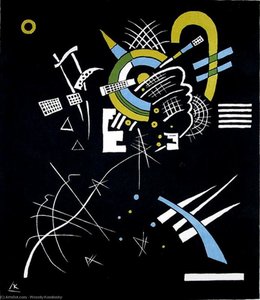
Explore Wassily Kandinsky's 'Elementare Wirkung,' a mesmerizing black and white photograph capturing the geometric brilliance of his iconic circular composition – a cornerstone of abstract expressionism.
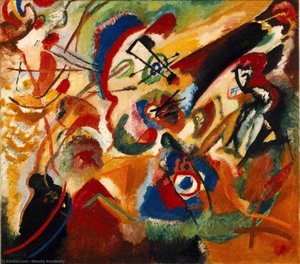
Fragment 2 For Composition VII by Wassily Kandinsky – This vibrant abstract painting explores spiritual emotion through bold colors and geometric forms, featuring swirling masses of red, blue, yellow, green, and orange hues alongside prominent triangles and circles housed in the State Tretyakov Gallery.
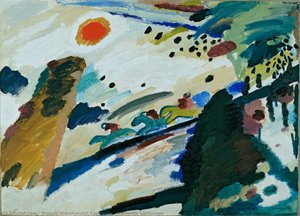
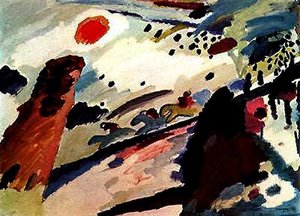
A breathtaking Romantic landscape by Wassily Kandinsky (1911). This oil painting captures a serene yet dynamic scene with figures amidst nature, reflecting the artist's innovative abstract style and spiritual depth.
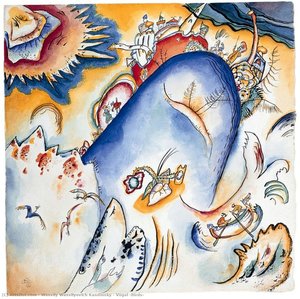
Experience Wassily Kandinsky's "Vögel" – a vibrant 1916 abstract painting capturing birds and figures on the beach. Explore its spiritual depth & dynamic color palette in this stunning reproduction.
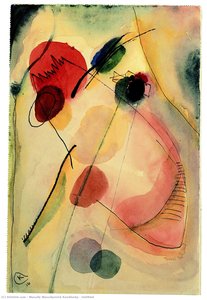
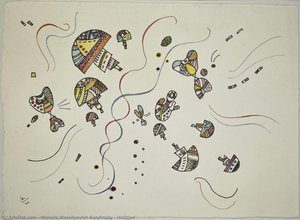
Explore Wassily Kandinsky's 'Untitled,' a vibrant watercolor capturing a woman’s face with a striking red background and scattered circles – a unique blend of abstraction and emotion.
Wassily Kandinsky’s “Untitled” – A Symphony of Color and Geometric Form The painting before you isn't merely pigment on canvas; it’s a distillation of Kandinsky’s profound belief that art could transcend representational imagery and speak directly to the soul. Executed in 1944, during his final years in Paris—a city brimming with artistic energy yet shadowed by the looming anxieties of wartime Eur
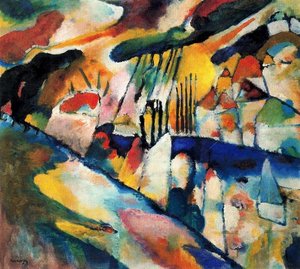
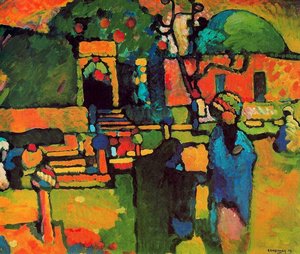
This vibrant Expressionist painting by Kandinsky captures a lively village scene brimming with energy—bold colors and dynamic brushstrokes depict people strolling amidst mosques and trees, inviting viewers to immerse themselves in this evocative artwork.
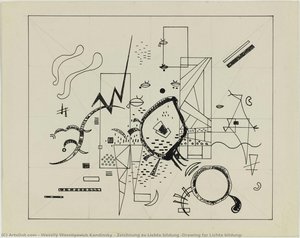
This striking black and white drawing captures the essence of Wassily Kandinsky’s iconic painting, ‘Lichtbildungen.’ Featuring dynamic circles and lines reminiscent of Kandinsky's style, alongside subtle figures, it embodies the artist’s exploration of color and spirit.
This piece showcases Kandinsky’s pioneering approach to abstraction, influenced by Impressionist landscapes and Wagnerian opera. Featuring dots and geometric shapes, it embodies his belief in color as a musical instrument, reflecting his profound artistic vision.