Showing 7 artworks with Wassily Wassilyevich Kandinsky and with Painting Style
-
Wassily Wassilyevich Kandinsky
-
Painting Style
Not available for this selection
- Espresso
- Quinacridone Magenta
- Gray
- Driftwood
- Rosy Brown
- Khaki
- Putty
Not available for this selection
- Painting Style
- Abstract Art
- Bauhaus Influence
- Kandinsky
- Color Theory
- Geometric Shapes
- Russian Art
- Wassily Kandinsky
- Expressionism
- Spirituality
- Modern Art
- Composition
- Color Palette
- Geometric Forms
- Bauhaus
- Russian Painter
- Kandinsky Painting
- Artistic Experimentation
- Gray Tone
- Symbolism
- Movement Energy
- Dynamic Line
- Geometric Abstraction
- Vibrant Colors
- Monochrome Drawing
- Fine Art Reproduction
- 1919 Artwork
- Composition Vii
- Musée National D'Art Moderne
- Surrealism
- Circles
- Dynamic Composition
- Religious Symbolism
- Avant-Garde Art
- Visual Resonance
- Abstract Expressionism
- Wagner Lohengrin
- Blue Red Yellow Green
- Lichtbildungen Drawing
- Lines
- Russian Artist
- Visual Harmony
- Monet Haystacks
- Colour Theory
- Modernism
- Monochrome Print
- All Saints Day Ii
- Constructivism
- 1944 Artwork
- Guggenheim Museum
Explore Wassily Kandinsky's Composition VII – a pivotal abstract painting embodying Expressionism and pioneering the use of color and geometric forms. Discover its spiritual depth and lasting legacy.
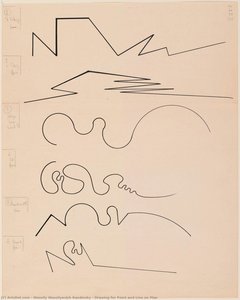
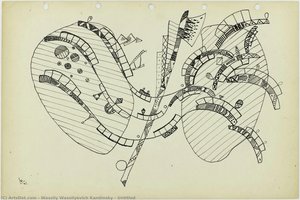
Explore Wassily Kandinsky's groundbreaking 'Drawing for Point and Line on Plane,' a seminal piece of abstract expressionism reflecting his philosophical exploration of color, line, and emotion during the Bauhaus era.
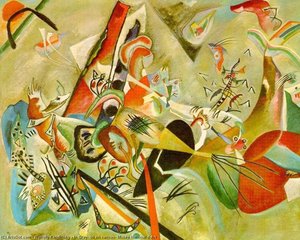
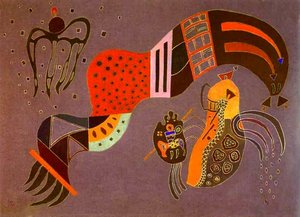
Explore Wassily Kandinsky's "In Gray," a groundbreaking abstract painting from 1919 embodying Constructivism’s geometric forms and vibrant colors—a cornerstone of modern art.
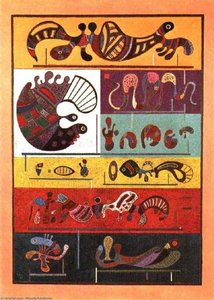
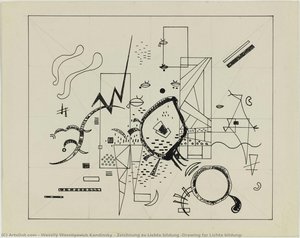
This striking black and white drawing captures the essence of Wassily Kandinsky’s iconic painting, ‘Lichtbildungen.’ Featuring dynamic circles and lines reminiscent of Kandinsky's style, alongside subtle figures, it embodies the artist’s exploration of color and spirit.
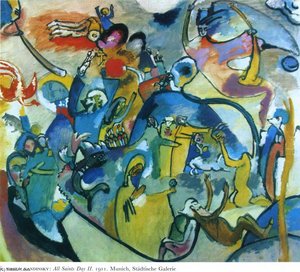
This piece showcases Kandinsky’s pioneering approach to abstraction, influenced by Impressionist landscapes and Wagnerian opera. Featuring dots and geometric shapes, it embodies his belief in color as a musical instrument, reflecting his profound artistic vision.