Showing 8 artworks with William Hogarth

-
William Hogarth
Not available for this selection
- Espresso
- Gray
- Putty
- Phthalo Green
- Celadon
- William Hogarth
- Satire
- 18Th Century
- Realism
- Hogarth
- London
- Painting
- Printmaking
- Black And White
- Portrait
- Lady
- Social Commentary
- British Art
- Engraving
- Art History
- Victorian Era
- Rococo
- Baroque
- Oil Painting
- 18Th Century Art
- Street Scene
- Chaos
- Palette
- Dog
- Drawing
- Tavern Scene
- Portraiture
- Tension
- Lace
- Four Times Of Day
- 18Th Century London”
- Fashion
- Engraving Print
- Night Plate Four
- Urban London Scene
- Hogarth'S Progress
- Hogarth Satire
- Domestic Scene
- Historical
- Self-Portrait
- Engraved Artwork
- Cityscape
- Moral Corruption
- Execution
- Elegant
- Rake’S Progress”,
- Historical Prints
- Black And White Engraving
- Night
- England
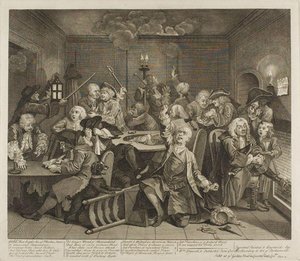
Immerse yourself in Hogarth’s "Plate six" – a vibrant 18th-century satire! Explore this intricate engraving's chaotic tavern scene, masterful technique & historical significance.
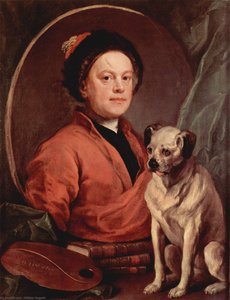
William Hogarth's 'Self-Portrait' (1745) captures the artist amidst books and his dog, reflecting his life as an observer of London society & a pioneering satirical painter. A unique glimpse into his world.
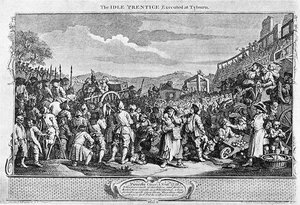
Experience William Hogarth's 'Tyburn Large,' a dramatic engraving capturing a poignant public execution scene. Explore the details of this iconic work and its historical context.
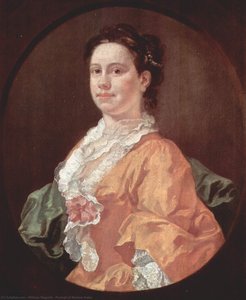
Admire William Hogarth's 'Portrait of Madam Salter' (1744). This elegant oil painting captures a woman’s grace, rendered with meticulous detail and stark contrast against black. A captivating glimpse into 18th-century British society.
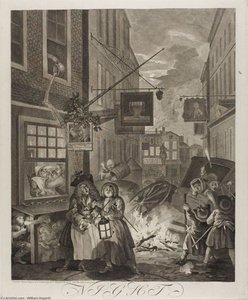
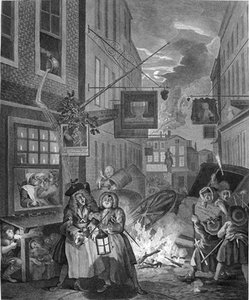
Explore William Hogarth’s ‘Night’ from The Four Times of the Day! A captivating 18th-century engraving depicting urban decay & social satire. Discover Hogarth's masterful realism & commentary.
Experience William Hogarth's 'The Four Times of Day: Night,' a captivating 1736 engraving depicting London’s vibrant, chaotic nightlife with social commentary and masterful realism.
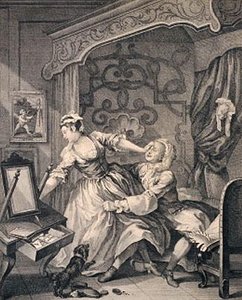
William Hogarth's "Before" depicts a haunting scene of domestic tension and social critique. Explore the stark realism and satirical commentary within this iconic 18th-century drawing.