Showing 24 artworks out of 95 with William Hogarth and with Acrylic On Canvas
-
William Hogarth
-
Acrylic On Canvas
Not available for this selection
- Baroque
- Baroque Satire
- Rococo
- Rococo Style
- Neoclassical Style
- Neoclassicism
- 18Th Century Satire
- Rococo Satire
- Other
- Classicism
- Rococo Realism
- Baroque Rococo
- Baroque Portraiture
- Baroque Realism
- 18Th Century Engraving
- Rococo Portraiture
- Romantic Realism
- Satirical Art
- Satirical British Art
- Satirical Engraving
- Satirical Enlightenment
- Social Commentary Printmaking
- 18Th Century Printmaking
- 18Th Century Rococo
- 18Th-Century Portraiture
- See all
- Espresso
- Gray
- Rosy Brown
- Phthalo Green
- Putty
- Walnut
- White
- Quinacridone Magenta
- Celadon
- Black
- Sap Green
- Cobalt Violet
- Olive
- Clay
- Bronze
- Driftwood
- Khaki
- William Hogarth
- 18Th Century Art
- Social Commentary
- Satire
- Fine Art Reproduction
- Portraiture
- Engraving
- Hogarth
- British Art History
- British Art
- 18Th Century
- London
- London Life
- Painting
- British Painting
- Satirical Art
- Decorative Art
- Portrait
- Portrait Painting
- Printmaking
- 18Th Century Painting
- Satirical Painting
- Classical Composition
- Satirical Print
- Rococo
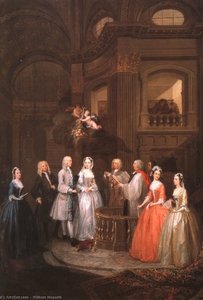
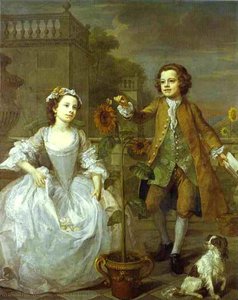
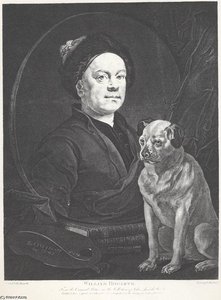
This artwork delves into Hogarth’s life as an artist and printmaker, highlighting his influence on Western art history. Examining its context within London’s Rococo period reveals insights into social satire and moral reflection. Furthermore, the painting utilizes symbolism—like a dog representing loyalty—to enrich its narrative and convey deeper meanings.
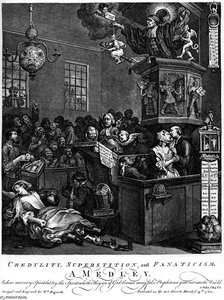
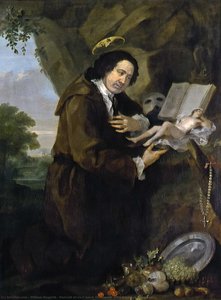
Explore William Hogarth’s "Credulity, Superstition & Fanaticism" – a satirical engraving critiquing 18th-century society. Masterful linework & symbolic imagery reveal moral judgment. #Hogarth #ArtHistory
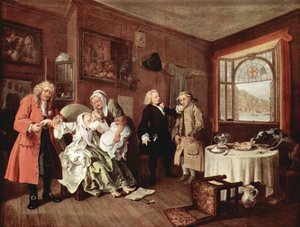
William Hogarth's "Suicide of the Countess" (1745) portrays a woman taking her own life amidst her family, capturing a poignant moment of despair and societal critique.
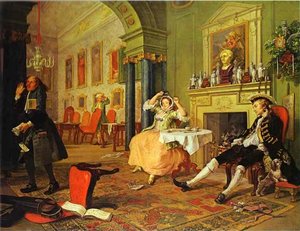
Hogarth’s series of ‘modern moral subjects’ aimed to provoke reflection on virtue and vice. The painting’s symbolism – including a crown, books, bottles, and a dog – reinforces its thematic concerns.
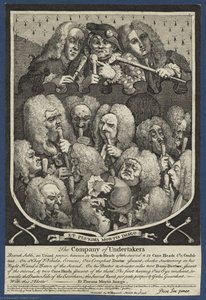
Explore William Hogarth’s 'The Company of Undertakers,' a darkly satirical engraving depicting death & mortality. Baroque style, detailed figures & dramatic lighting. A unique piece for art collectors.
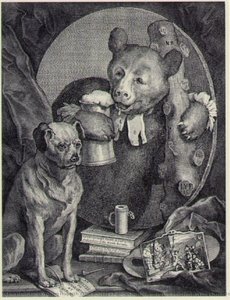
William Hogarth's satirical masterpiece, "The Bruiser," depicts a drunken clergyman and bulldog amidst scandal & controversy – a biting commentary on 18th-century society.
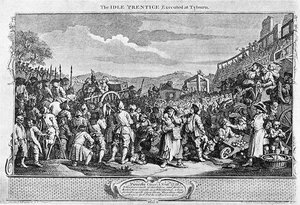
Experience William Hogarth's 'Tyburn Large,' a dramatic engraving capturing a poignant public execution scene. Explore the details of this iconic work and its historical context.
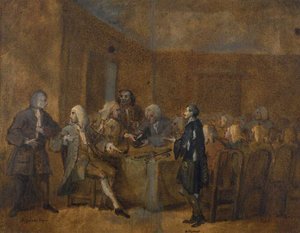
Explore William Hogarth's satirical masterpiece, 'A Prisoner of the Fleet,' depicting a courtroom examination and highlighting societal corruption during Georgian England. Admire its meticulous detail and artistic significance.
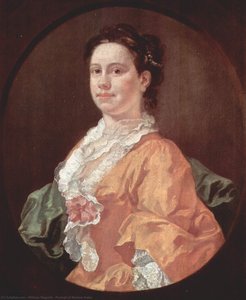
Admire William Hogarth's 'Portrait of Madam Salter' (1744). This elegant oil painting captures a woman’s grace, rendered with meticulous detail and stark contrast against black. A captivating glimpse into 18th-century British society.
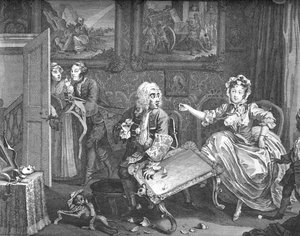
William Hogarth’s "A Harlot’s Progress, Plate 2" – a dramatic 18th-century engraving depicting scandalous infidelity. Explore its satirical style & intricate details of this iconic work.
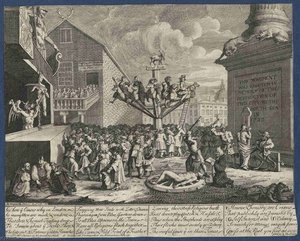
Explore William Hogarth's 'Emblematical Print on the South Sea Scheme,' a satirical engraving depicting the financial crisis of 1720-21 with meticulous detail and allegorical symbolism. Discover its historical context and artistic significance.
William Hogarth's 1757 Self Portrait showcases the artist at work, blending realism & Classicism. A glimpse into his creative process & artistic legacy.
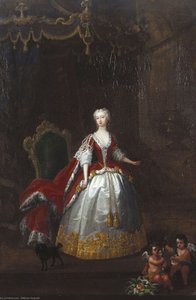
William Hogarth's 'Portrait of Augusta of Saxe-Gotha' (1738) is a stunning Rococo portrait showcasing elegance and formality. Admire the intricate details, rich colors, and regal atmosphere in this masterpiece.
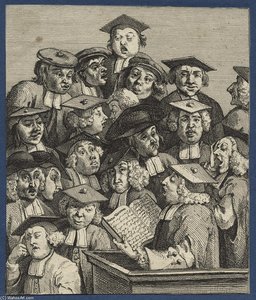
Scholars at a Lecture by William Hogarth - A captivating black and white engraving depicting a lecture hall scene filled with attentive scholars, capturing the intellectual curiosity of Georgian England.