Showing 18 artworks with William Hogarth and with Social Satire

-
William Hogarth
-
Social Satire
Not available for this selection
- Espresso
- Rosy Brown
- Phthalo Green
- Walnut
- Gray
- Putty
- Driftwood
- White
- Social Satire
- Fine Art Reproduction
- British Painting
- William Hogarth
- 18Th Century Art
- Decorative Art
- Portraiture
- Classical Art
- British Art
- Georgian Art
- Wall Hanging
- Hogarth Painting
- Victorian Decor
- English Art History
- Oil Painting
- Fine Art Print
- Decorative Print
- Oil On Canvas
- London Society
- London Scene
- Art Collector
- Marriage Ceremony
- Rococo Art
- Hatching Technique
- Historical Artwork
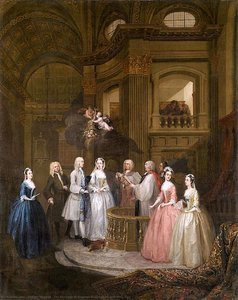
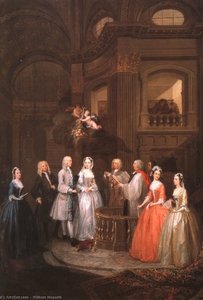
The painting’s meticulous detail—particularly the portrayal of the wedding guests—offers a window into the social customs and expectations of 18th-century London. Hogarth's use of light and shadow contributes to the dramatic atmosphere, enhancing the narrative's impact.
This artwork delves into Hogarth’s life as an artist and printmaker, highlighting his influence on Western art history. Examining its context within London’s Rococo period reveals insights into social satire and moral reflection. Furthermore, the painting utilizes symbolism—like a dog representing loyalty—to enrich its narrative and convey deeper meanings.
William Hogarth’s masterful depiction of London society captures a lively social gathering amidst opulent attire and theatrical performance—a quintessential Baroque scene reflecting the artist's astute commentary on moral decay.
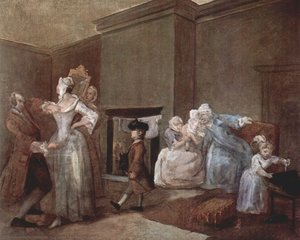
Explore William Hogarth’s ‘The Strode Family,’ a witty 18th-century portrait brimming with social commentary & Rococo elegance. A captivating piece by a British master.
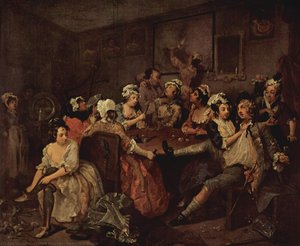
This captivating tavern scene by William Hogarth captures the lively social interactions of London in 1735, showcasing meticulous detail and a satirical commentary on societal norms. Explore this iconic artwork and bring its timeless charm into your home.
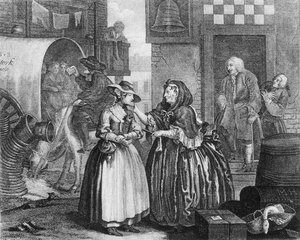
A gritty 18th-century London street scene unfolds in this masterful black and white etching by William Hogarth, capturing a dramatic moment of social descent that invites you to explore the depths of his satirical genius.
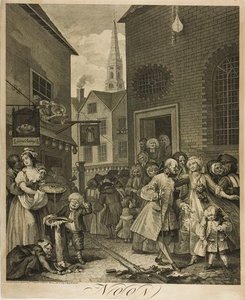
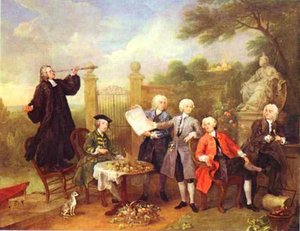
This captivating Hogarth masterpiece captures a lively social scene in London during the Georgian era, showcasing meticulous detail and satirical commentary on societal norms. Explore this iconic artwork and bring its timeless elegance into your home.
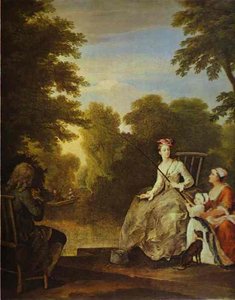
William Hogarth's 'The Fishing Party,' painted around 1730, exemplifies Classicism through its balanced composition and meticulous detail. This Dulwich Picture Gallery masterpiece captures a leisurely fishing outing with subtle social commentary. Acquire a stunning hand-made reproduction from ArtsDot.com – discover more about Hogarth’s legacy and Rococo art!
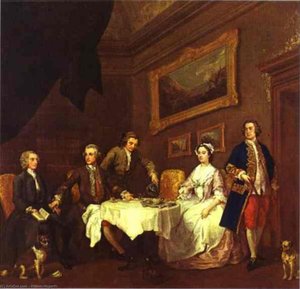
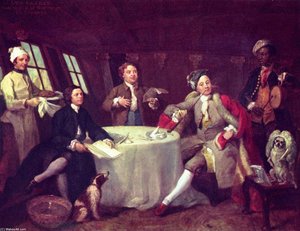
William Hogarth’s masterful portrait captures a convivial dining scene featuring Lord George Graham amidst friends and dogs—a quintessential depiction of Georgian society's elegance and social rituals. Explore this iconic artwork and bring its timeless charm into your home.
Explore more works by Hogarth at ArtsDot.com – including Falstaff Examining His Recruits, The Theft of a Watch, The Fishing Party and Sigismonda.
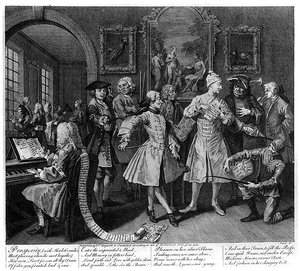
Considered one of Hogarth’s finest prints, "Surrounded by Artists and Professors" exemplifies his ability to blend artistic technique with social critique. It's a captivating glimpse into the cultural landscape of Georgian England.
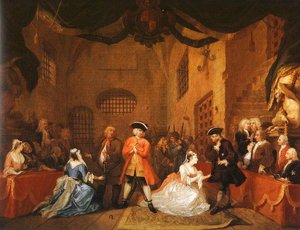
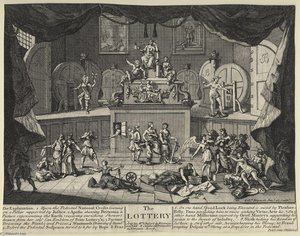
William Hogarth’s masterful etching captures a dramatic theater scene—a poignant portrayal of societal judgment amidst the allure of performance and chance. This iconic piece from the Georgian era invites you to explore its timeless narrative and bring history into your home.
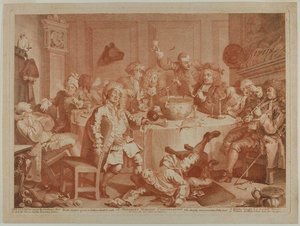
William Hogarth’s iconic lithograph portrays a lively midnight conversation amidst opulent furnishings—a masterful depiction of social satire and human interaction from the Georgian era. Explore this captivating artwork and bring Hogarth's timeless vision into your home.
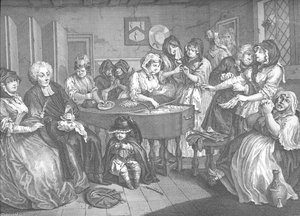
This haunting engraving by William Hogarth captures the bleak aftermath of illicit love—a funeral wake exposing societal indifference and religious hypocrisy amidst London’s Enlightenment era.