Showing 24 artworks out of 125 with William Hogarth and with Accent

-
William Hogarth
-
Accent
Not available for this selection
- Rococo
- Baroque
- Baroque Satire
- Rococo Style
- Neoclassical Style
- Neoclassicism
- Baroque Realism
- Classicism
- Rococo Decorative Style
- Baroque Rococo
- 18Th Century Engraving
- British Rococo
- Other
- Baroque Portraiture
- 18Th Century Printmaking
- 18Th Century Satire
- 18Th Century Rococo
- Rococo Illustration
- Rococo Revival
- Rococo Satire
- Romantic Realism
- Satirical British Art
- Satirical Engraving
- Satirical Enlightenment
- Social Commentary
- See all
- Espresso
- Gray
- Rosy Brown
- Phthalo Green
- Walnut
- Driftwood
- Quinacridone Magenta
- Putty
- White
- Black
- Celadon
- Sap Green
- Clay
- Olive
- Bronze
- William Hogarth
- 18Th Century Art
- Social Commentary
- Fine Art Reproduction
- British Art History
- Portraiture
- Engraving
- Decorative Art
- British Art
- London Life
- British Painting
- Satire
- Satirical Art
- Portrait Painting
- 18Th Century Painting
- British Painter
- Satirical Print
- Rococo Style
- Social Satire
- Oil Painting
- Satirical Artwork
- Satirical Painting
- Hogarth Painting
- Fine Art Print
- Etching
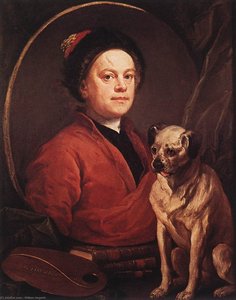
Explore William Hogarth’s ‘The Painter and his Pug,’ a captivating 1745 portrait showcasing Baroque realism & a charming pug. Discover this iconic artwork's rich details & historical significance.
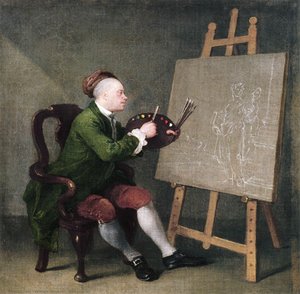
William Hogarth's 1757 Self-Portrait showcases the artist at work, blending realism & Classicism. A glimpse into his creative process & artistic legacy.
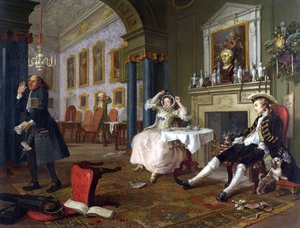
Explore William Hogarth's satirical masterpiece 'Marriage A-la-Mode - 2, The Tête à Tête,' examining social critique and moral decay through meticulous detail & humor – a precursor to modern art.
Discover William Hogarth’s "The Banquet" (1755) – a dynamic oil painting of a lavish 18th-century feast. Explore its realism, symbolism & rich colors at Bangor University!
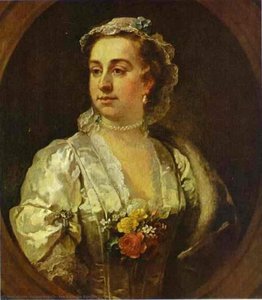
Mrs. Catherine Edwards, created by William Hogarth around 1742, exemplifies his signature blend of classical and modern influences. This oil painting portrays Sir Richard Edwards’ wife with meticulous detail, reflecting Hogarth's skill in portraying human emotion and social satire. Commission a museum-quality reproduction at ArtsDot.com for a timeless piece of art history.
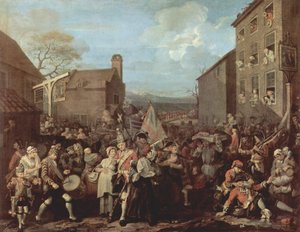
Explore William Hogarth’s satirical masterpiece, ‘The March of the Guards to Finchley,’ a vibrant 1750 oil painting depicting London’s Jacobite defense. A unique piece of art history!
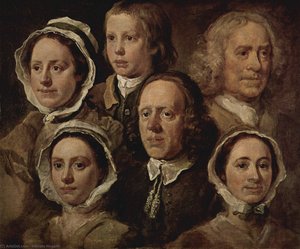
Explore William Hogarth’s ‘The Servants of the Painter,’ a captivating 18th-century portrait brimming with realism & drama. Discover its style, symbolism & rich details.
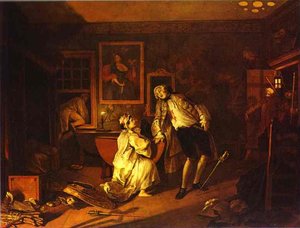
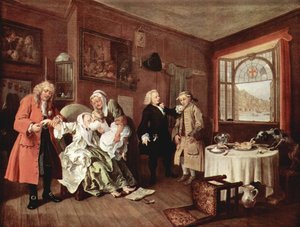
Explore William Hogarth's 'The Death of the Earl,' a haunting satirical painting depicting a doomed marriage and societal critique. Witness masterful storytelling & social commentary.
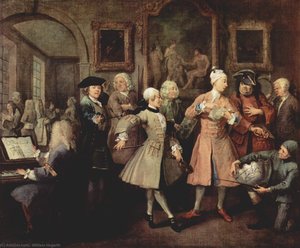
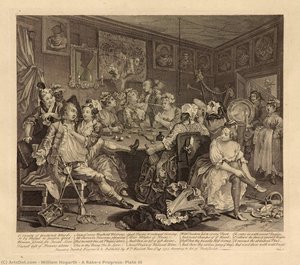
Delve into Hogarth's satirical masterpiece! Explore 'A Rake’s Progress, Plate III,' depicting a decadent tavern scene and capturing the social commentary of London's Enlightenment era. Hand-painted reproductions available.
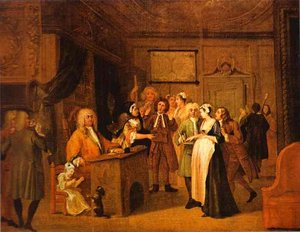
Explore William Hogarth’s ‘The Denunciation,’ a captivating 1729 oil painting of social commentary & Baroque realism. Discover its composition, style & significance at the Holburne Museum.
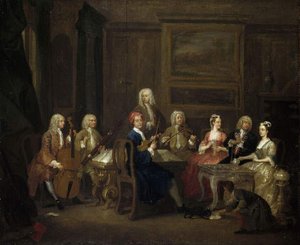
Experience Hogarth's "A Musical Party"! This captivating Rococo painting depicts the Mathias family enjoying an elegant musical gathering. A stunning reproduction of a classic British masterpiece.
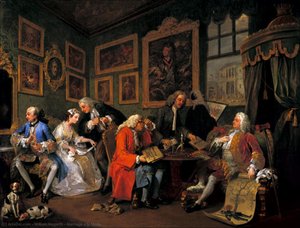
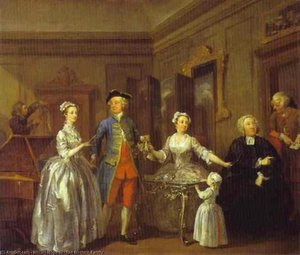
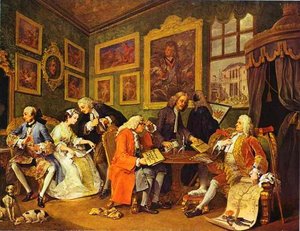
A biting satirical scene of Georgian social tension unfolds in William Hogarth's The Marriage Contract where meticulous realism meets dramatic chiaroscuro inviting you to explore this masterpiece of 18th-century England.
This artwork delves into Hogarth’s life as an artist and printmaker, highlighting his influence on Western art history. Examining its context within London’s Rococo period reveals insights into social satire and moral reflection. Furthermore, the painting utilizes symbolism—like a dog representing loyalty—to enrich its narrative and convey deeper meanings.
William Hogarth's "Suicide of the Countess" (1745) portrays a woman taking her own life amidst her family, capturing a poignant moment of despair and societal critique.