Showing 6 artworks with Vincent Willem Van Gogh and with 1886 and with Plaster Statuette
-
Vincent Willem Van Gogh
-
1886
-
Plaster Statuette
Not available for this selection
- Steel Blue
- Gray
- Rosy Brown
- Putty
- Plaster Statuette
- Post-Impressionism
- Sculpture
- Van Gogh
- 1886
- Torso
- Texture
- Vincent Van Gogh
- Painting
- Oil Painting
- Color
- Brushstrokes
- Art
- Museum Quality
- Art Reproduction
- Blue Background
- Form Movement
- Art History
- Serene Blue Backdrop
- Kneeling Man
- Artistic Style
- Missing Head
- Emotion
- Earthy Colors
- Symbolism
- Blue Sky
- Female Torso
- Vibrant Colors
- Saint Rémy Asylum
- Male Torso Statue
- Textured Plaster
- Figure Study
- Realism Style
- Female Figure
- Expressionism
- Classical Art
- White Statue
- Van Gogh Still Life
- Dutch Art
- Paris
- Oil On Canvas
- Art Movement
- Style
- Still Life Painting
- Intrigue
- 1886 Realism
- Blue Pedestal
- Bold Brushstrokes
- Mystery
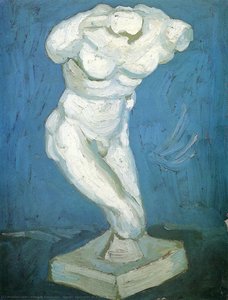
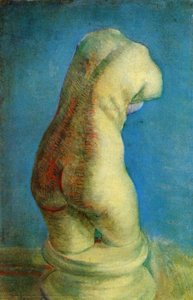
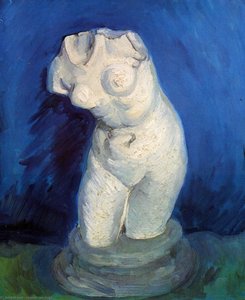
A striking study of texture and form, this 1886 plaster statuette painting by Vincent van Gogh captures a serene moment of realism that invites you to explore the profound materiality of his iconic artistic vision.
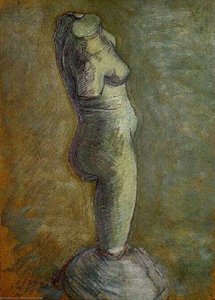
Discover Vincent van Gogh's 'Plaster Statuette,' a captivating Post-Impressionist study of form and texture. Explore its unique style, emotional depth, and lasting legacy on Western art.
Discover Vincent van Gogh's 'Plaster Statuette,' a captivating Post-Impressionist study of beauty in the ordinary. Explore its textured brushstrokes, vibrant colors, and profound symbolism – a masterpiece reflecting Van Gogh’s unique vision.
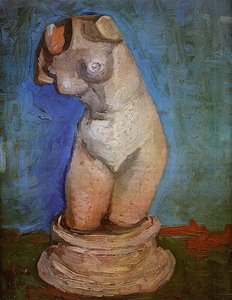
Discover Vincent van Gogh's 'Plaster Statuette of a Female Torso,' a haunting Post-Impressionist masterpiece featuring a missing head and bold brushstrokes. Explore its artistic context & Van Gogh’s unique style.
Van Gogh's 'Plaster Statuette of a Female Torso' (1886) showcases his Post-Impressionist style with bold brushstrokes & emotive color. Explore this captivating study!
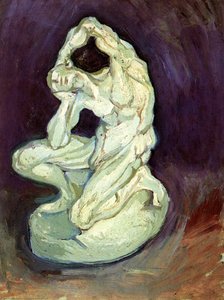
Explore Vincent van Gogh's Plaster Statuette of a Kneeling Man – a poignant depiction reflecting his exploration of form and movement during his time at Saint-Rémy asylum.