Showing 9 artworks with Édouard Manet and with 1865
-
Édouard Manet
-
1865
Not available for this selection
- Espresso
- Gray
- Black
- Clay
- Driftwood
- Rosy Brown
- Putty
Not available for this selection
- Painting
- Edouard Manet
- Impressionism
- Manet Painting
- Portrait Painting
- Dramatic
- Manet
- French Art
- Oil On Canvas
- Realism
- 1865
- Stage
- Mortality Symbolism
- Suzanne Leenhoff Model
- 19Th Century Painting
- Vintage Print
- French Art 1865
- Symbolic Composition
- Figurative Painting
- Art Deco Style Painting
- Art History Legacy
- Light And Shadow
- Avant-Garde Influence
- Dead Toreador
- Bold Brushstrokes Art
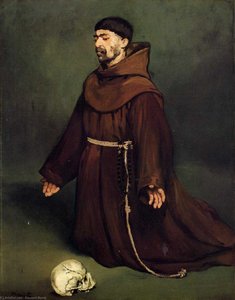
Explore Manet’s "Monk at Prayer" – a haunting oil painting of spiritual contemplation & mortality. Discover its symbolism, historical context & lasting influence.
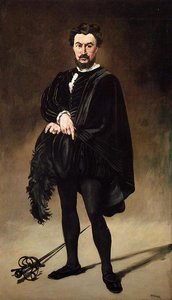
Edouard Manet's 'The Tragic Actor' (1865) captures a theatrical performance with bold brushstrokes and dramatic lighting, reflecting the artist’s fascination with modern life & art.
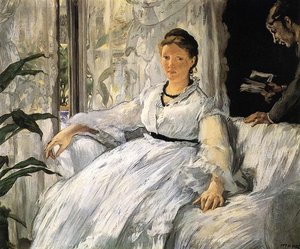
Édouard Manet's 'Madame Auguste Manet,' painted in 1865, portrays his wife Suzanne Leenhoff with remarkable detail. Combining traditional techniques with modernist elements, the painting utilizes visible brushstrokes to convey depth and materiality, reflecting Manet’s influence on Impressionism and Cubism.
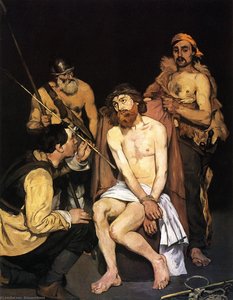
Experience Édouard Manet's 'Jesus Mocked by the Soldiers,' a powerful black & white depiction of suffering and faith. Witness his revolutionary style and poignant commentary on religious iconography.
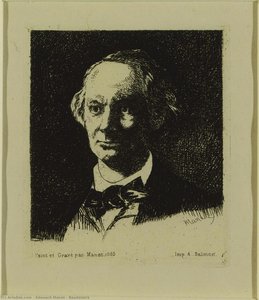
This lithograph portrays Charles Baudelaire with meticulous detail, utilizing dense hatching to convey texture and capturing the poet's solemn gaze against a stark gray backdrop. Reflecting Manet’s Realist style, it exemplifies printmaking techniques like etching—a testament to his innovative approach to artistic representation.
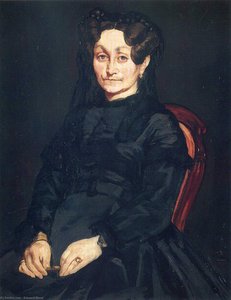
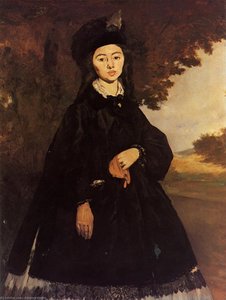
Explore Édouard Manet’s ‘Madame Brunet,’ a captivating 1865 portrait showcasing his realist style & modern life themes. Discover this masterpiece's composition and significance in art history.
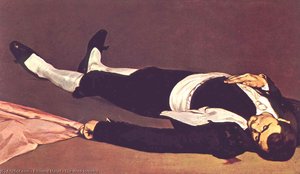
Édouard Manet’s ‘The Dead Toreador’ captures a hauntingly realistic scene of grief and mortality with loose brushstrokes characteristic of Impressionism. This pivotal 1864 artwork, featuring a fallen bullfighter, challenges artistic conventions and offers a visceral exploration of death.