Showing 4 artworks with Caspar David Friedrich and with 1808

-
Caspar David Friedrich
-
1808
Not available for this selection
- Phthalo Green
- Quinacridone Magenta
- Celadon
- Putty
- Caspar David Friedrich
- German Romanticism
- 1808
- Tetschen Altar
- Composition
- Purple Sky Painting
- Romantic Landscape Painting
- Mountain Landscape Art
- Dresden
- Symbolic Landscape”,
- Two Horses
- Dawn Landscape Artwork
- Muted Blue Tones
- Religious Painting Art
- Oil Painting Artwork
- Symbolism
- Sublime Nature Imagery
- Atmospheric Perspective
- 1808 Landscape Print
- Cross In Mountains”,
- Misty Mountains
- Sublime
- Cross In Mountains
- Dresden Gemäldegalerie”
- Atmospheric Landscape
- Rugged Mountain Peak
- German Painter Friedrich
- Solitude & Spirituality
- Romanticism
- Mountain Mist Landscape
- Symbolic Landscape Art
- Mountains
- Baltic Sea Art
- Spirituality
- Nature
- Spiritual Artwork”
- Landscape Painting
- Oil Painting
- German Art
- Romanticism Style
- German Romantic Art
- Oil Painting”,
- Friedrich Painting
- Romantic Landscape
- Romantic Landscape Art
- “Pine Tree Landscape”
- Sublime Nature
- Landscape Sublime
- Mount Milleschauer
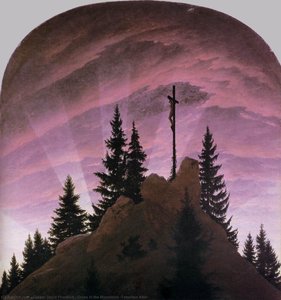
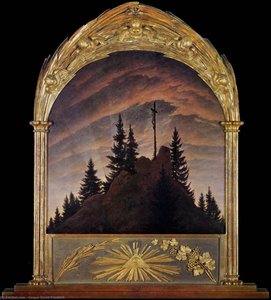
Caspar David Friedrich’s ‘Cross in the Mountains’ (Tetschen Altar) – a monumental Romantic masterpiece. Explore this iconic oil painting's spiritual depth, dramatic landscape & historical significance.
Caspar David Friedrich's 'Cross in the Mountains' (Tetschen Altar) is a seminal Romantic masterpiece, blending nature & spirituality with profound symbolism. Explore its layered composition and historical context.
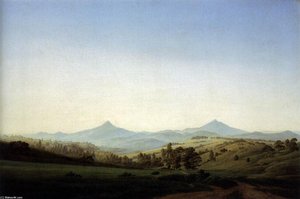
Experience the sublime majesty of Caspar David Friedrich's Bohemian Landscape with Mount Milleschauer, a profound Romantic masterpiece capturing nature's spiritual grandeur, available for your private collection.
Friedrich's artistic vision was profoundly affected by loss and fostered a sensitivity to mortality. He studied in Copenhagen and Dresden, mastering techniques honed through exposure to Dutch landscape painting traditions. His paintings depict human figures dwarfed against expansive vistas, symbolizing the insignificance of humanity compared to the grandeur of God’s creation.