Showing 16 artworks with Eugène Henri Paul Gauguin and with 1891 and with Accent
-
Eugène Henri Paul Gauguin
-
1891
-
Accent
Not available for this selection
- Phthalo Green
- Espresso
- Clay
- Bronze
- Black
- Prussian Blue
- Sap Green
- Gray
- Yellow Green
- Orange
- Putty
- Paul Gauguin
- Post-Impressionism
- Bold Colors
- Fine Art Reproduction
- Symbolism
- 1891 Artwork
- French Painter
- Decorative Art
- French Polynesia
- Post Impressionism
- Landscape Painting
- Tahitian Painting
- Color Palette
- Oil Painting
- Portrait
- 1891
- Symbolist Art
- Synthetist Style
- Tropical Landscape
- Flowers
- French Art
- Cloisonnism
- Tropical Scene
- Primitive Art
- Tahitian Art
- Woman
- Symbolism Art
- Painting
- Vibrant Colors
- Tahitian Landscape
- Tahiti
- Impressionism
- Botanical Art
- Texture Art
- Impressionist Color Palette
- Tahiti Landscape
- Female Figure
- Earth Tones
- French Painter Gauguin
- Contemplation
- Art
- Vintage Art Print
- Wall Hanging
- Avant-Garde Art
- Nature Painting
- Expressionist Art
- Watercolor Painting
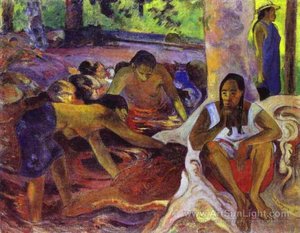
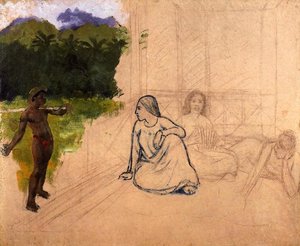
- Tahitians At Rest
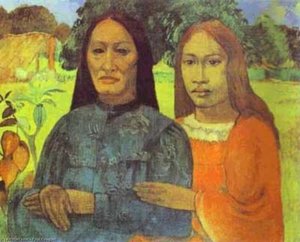
- Mother And Daughter Portrait
- Art Gift
Paul Gauguin’s “Where Do We Come From? What Are We? Where Are We Going?” is a seminal work of art that embodies the spirit of Symbolist thought. Created during his time in Tahiti, it showcases Gauguin's innovative approach to color and form—a harmonious blend of Impressionistic influences with Primitivist techniques—resulting in an unforgettable visual experience.
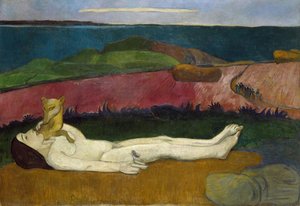
Paul Gauguin's 'The Loss of Virginity,' painted in 1891, is a captivating Symbolist artwork showcasing a nude woman entwined with a fox amidst lush foliage. Its bold color palette and unresolved mysteries continue to intrigue art enthusiasts.
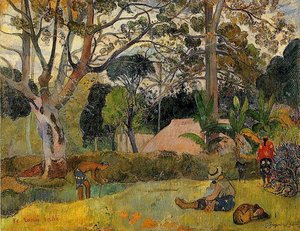
Detail of Gauguin's Te raau rahi (The Big Tree) (1891) showing pouncing and wiping in a treetop. The Art Institute of Chicago, 1949.513. Gauguin | ...
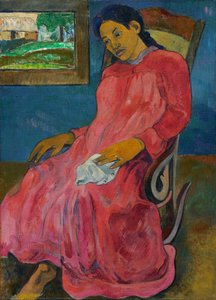
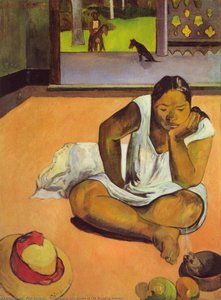
Paul Gauguin's 'Te Faaturuma' (The Brooding Woman) captures a poignant Tahitian woman lost in thought, embodying Post-Impressionism’s emotive power and symbolic depth. Explore its rich details & Gauguin’s artistic legacy.
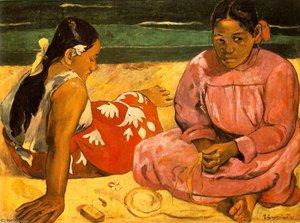
‘The fisherwomen of Tahiti’ is a stunning example of Cloisonnism, created by Paul Gauguin in 1891. Explore Tahitian village life and Gauguin's distinctive style on WikiArt.
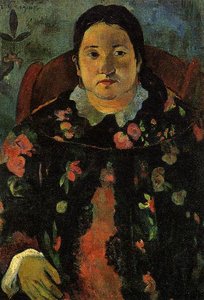
Paul Gauguin’s vibrant Portrait of Suzanne Bambridge embodies Post-Impressionism's emotive exploration through bold colors and simplified forms—a captivating glimpse into 1891 French art, inviting you to experience its timeless beauty.
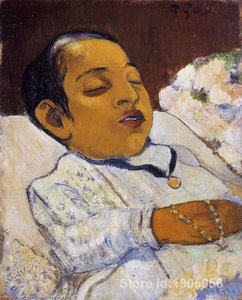
Paul Gauguin’s ‘Portrait of Atiti,’ a serene 1891 Cloisonnism masterpiece, captures a sleeping child amidst vibrant flowers and symbolic objects. Explore this iconic work by the Post-Impressionist artist and add it to your collection.
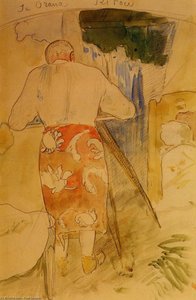
Delve into Gauguin's iconic 'Ja Orana Ritou,' capturing Tahiti’s spirit with bold hues & symbolic representation. Explore this masterpiece of Post-Impressionism and discover the artist's enduring legacy.