Showing 16 artworks out of 64 with Ferdinand Hodler and with Acrylic On Canvas
-
Ferdinand Hodler
-
Acrylic On Canvas
Not available for this selection
- Symbolism
- Swiss Symbolism
- Symbolic Expressionism
- Symbolist Painting
- Art Nouveau
- Post-Impressionist Landscape
- Expressionistic Landscape
- Symbolic Expression
- Expressionism & Symbolism
- Expressionism
- Other
- Symbolist Expressionism
- Symbolist Harmony
- Symbolist Landscape
- Symbolist Landscape Painting
- Symbolist Movement
- Symbolism And Parallelism
- See all
- Putty
- Gray
- Rosy Brown
- White
- Phthalo Green
- Espresso
- Driftwood
- Celadon
- Sap Green
- Bronze
- Ferdinand Hodler
- Symbolism
- Swiss Painting
- Fine Art Reproduction
- Symbolism Art
- Hodler
- Hodler Artwork
- Late 19Th Century Art
- Swiss Art
- Figure Study
- Black And White Drawing
- Portrait
- Bern Artist
- Swiss Symbolism
- Landscape Painting
- Parallelism
- Painting
- Bern Switzerland
- Parallelism Technique
- Early 20Th Century Art
- Pencil Sketch
- Landscape Art
- 1901
- Portrait Drawing
- Emotional Expression
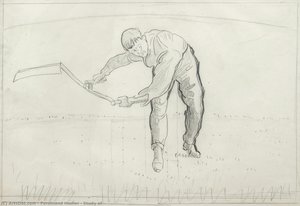
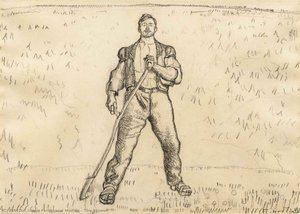
Ferdinand Hodler 1910 The image is a black and white drawing of a man holding a large wooden object in his hands. The man appears to be standing on one leg while holding the object, which could possibly be a baseball bat or a similar item. He seems to be focused on something off-camera, possibly preparing for an action or observing something in the distance. The drawing is quite detailed and cap
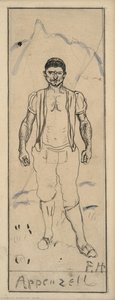
Canton of Appenzell Innerrhoden (German: Kanton Appenzell Innerrhoden [ˈapn̩tsɛl ˈɪnərˌroːdn̩] ; Romansh: Chantun Appenzell Dadens; French: Canton d'Appenzell Rhodes-Intérieures; Italian: Canton Appenzello Interno), in English sometimes Appenzell Inner-Rhodes, is one of the 26 cantons forming the Swiss Confederation. It is composed of five districts. The seat of the government and parliament is Ap
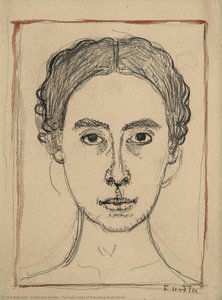
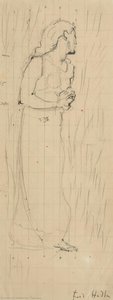
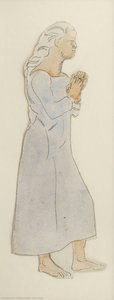
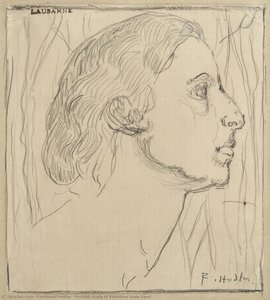
This striking portrait study by Ferdinand Hodler portrays a woman in profile, adorned with flowing hair and an intense gaze. Rendered in black and white with a vibrant red background, it exemplifies Expressionist principles and explores themes of loss and fleeting beauty.
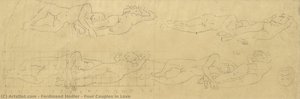
Hodler's work embodies Symbolism, reflecting the era's preoccupation with emotion and spiritual themes. The painting explores themes of love, intimacy, and mortality through stylized figures and atmospheric perspective. "Four Couples in Love" represents a pivotal moment in Hodler’s artistic development, showcasing his pioneering use of parallelism – layering textures and colors to create depth an
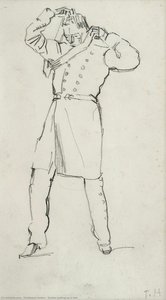
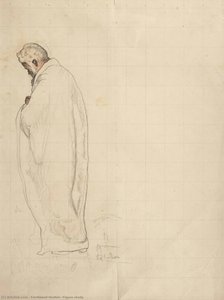
Explore Ferdinand Hodler's evocative 'Two Figure Studies,' a poignant black and white drawing capturing themes of vulnerability and contemplation amidst serene landscapes. Discover Swiss Symbolism at Google Arts & Culture.
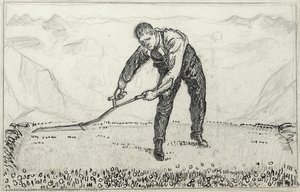
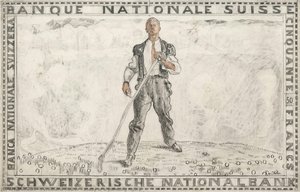
This study exemplifies Hodler's signature Symbolist style, capturing a solitary figure engaged in agricultural labor against a dramatic mountain backdrop. Executed in 1910, the piece showcases Hodler’s meticulous attention to detail and his ability to convey emotion through restrained tonal palettes. The drawing utilizes expressive lines and gestural marks to depict the man's physique and posture,
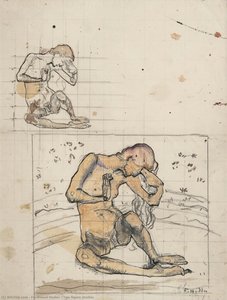
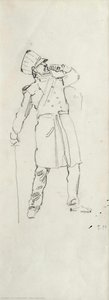
Ferdinand Hodler Explore Ferdinand Hodler's evocative study for "Jena 1813", depicting a solitary soldier pausing to drink, capturing the poignant beauty of Swiss Symbolism and reflecting themes of mortality.
Ferdinand Hodler’s “Love Couple,” created in 1907, exemplifies the Symbolist movement's focus on emotion and spiritual contemplation. This striking artwork portrays two reclining figures—a woman resting on her back with hands clasped to her chest, and a man lying face down—captured in Sarajevo’s National Gallery of Bosnia and Herzegovina. Hodler skillfully employs parallelism – layering textures a
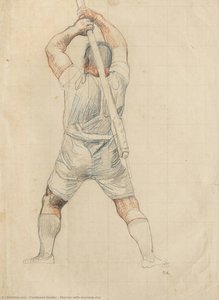
Explore Ferdinand Hodler's evocative sketch "Warrior with Morning Star," capturing the dynamism of Swiss Symbolism and reflecting themes of mortality through a striking depiction of athleticism and contemplation.
Inspired by the loss of his family members early in life, Hodler’s work consistently investigates emotional depth and visual harmony. Explore related artworks like ‘Emotion (Study)’ and ‘Study for banknote,’ showcasing Hodler's distinctive pen drawing technique. Ferdinand Hodler Study of a standing figure Bern Switzerland 1853 1910 1918 This striking black and white drawing portrays a man
Hodler’s exploration of vulnerability is evident in ‘The Dying Valentine,’ a watercolor sketch showcasing muted tones and textural richness. This piece exemplifies his artistic legacy.
Experience Ferdinand Hodler’s "The Mower," a captivating Art Nouveau masterpiece showcasing organic forms and symbolism. This iconic Swiss painter's work invites you to discover its timeless beauty and consider owning a piece of art history.
Explore Albin Egger-Lienz's powerful paintings! Austrian artist known for expressive Tyrolean scenes, historical art & monumental style influenced by Hodler. Discover his work at ArtsDot!