Showing 24 artworks out of 77 with Francis Bacon and with Dramatic

-
Francis Bacon
-
Dramatic
Not available for this selection
- Expressionist Painting
- Expressionism
- Contemporary Realism
- Surrealist Expression Surrealism
- Expressionist Abstraction
- Surrealist Expression
- Surrealism Surrealism
- Expressionist Surrealism
- Expressionism Expressionism
- Figurative Expressionism
- Surrealist
- Expressionist Horror
- Surrealism
- Existentialism
- Expressionist Figurative Painting
- Expressionist Landscape
- Expressionist Portraiture
- Expressionistic Surrealism
- See all
- Black
- Espresso
- Phthalo Green
- Putty
- Walnut
- Quinacridone Magenta
- Rosy Brown
- Driftwood
- Celadon
- Gray
- Plum
- Mahogany
- Khaki
- White
- Cobalt Violet
- Brown
- Blush
- Coral
- Pink
- Bronze
- Francis Bacon
- Expressionism
- Surrealism
- British Art
- Irish Artist
- Contemporary Art
- Bacon Painting
- Postwar Art
- Psychological Art
- Dublin Artist
- Abstract Expressionism
- Modern Art
- Bacon
- Painting
- Portraiture
- Living Room Decor
- Portrait Painting
- Fine Art Print
- Dark Palette
- Gift Idea
- Isolation
- Disturbing Imagery
- Home Decor
- Distortion
- Dramatic Composition
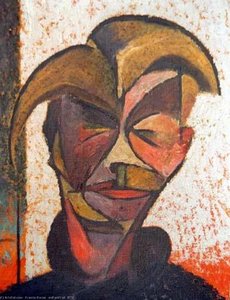
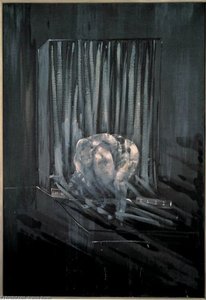
Explore Francis Bacon’s haunting self-portrait—a visceral expressionist masterpiece capturing profound sorrow and psychological torment. Painted in the 1930s, this unsettling depiction embodies the artist's signature style and invites contemplation of human vulnerability.
Francis Bacon (1909-1992) was a British painter known for his emotionally charged figurative works characterized by distorted forms and existential themes. Despite lacking formal training, he developed a distinctive style influenced by diverse sources, cementing his place as a pivotal figure in modern art.
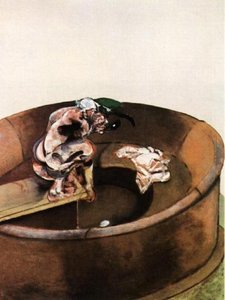
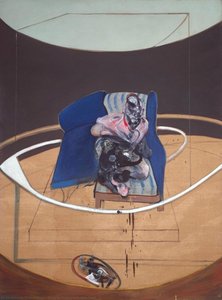
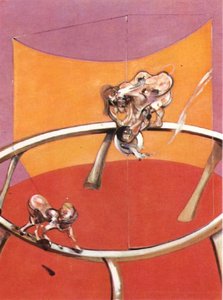
Portrait of George Dyer Crouching - This painting by Francis Bacon depicts a man seated within a large bowl, surrounded by chairs and a cup, capturing the artist's signature visceral emotional intensity.
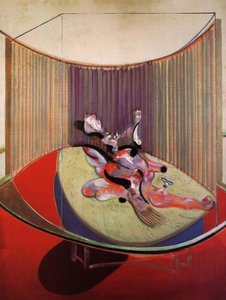
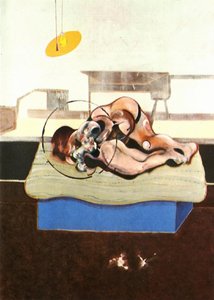
Version No. 2 of Lying Figure with Hypodermic Syringe is a 1968 oil-on-canvas painting by Francis Bacon, depicting Henrietta Moraes reclining on a bed alongside a syringe – the second panel in a series exploring vulnerability and decay. Known for its stark imagery and visceral emotion.
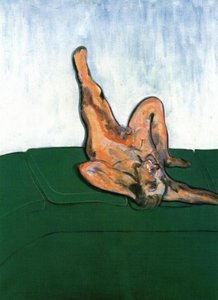
This haunting depiction by Francis Bacon captures profound anguish and vulnerability through a reclining nude figure against a stark green backdrop. Exploring themes of pain and displacement, it exemplifies Bacon's distinctive style—a visceral reaction to the human condition.
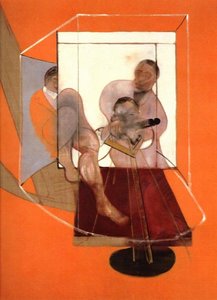
The painting depicts three men seated in a room, one holding a shotgun. The scene conveys a sense of unease and psychological tension characteristic of Bacon's style.
Francis Bacon was born in Dublin, Ireland, and developed a unique artistic style characterized by visceral emotion and unsettling imagery. He rejected formal training and absorbed influences from various artists.
Francis Bacon’s unsettling expressionist depiction captures a bird perched atop a chair—a poignant symbol of vulnerability and joy amidst the bleakness of postwar Britain. Explore this iconic piece and bring its visceral artistry into your home.
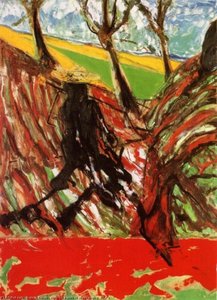
Francis Bacon’s "Study for Portrait of Van Gogh V" – a dynamic, expressive oil painting bursting with red hues & gestural brushstrokes. Explore its layered texture & emotional intensity.
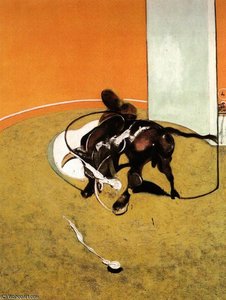
“Second Version of Study for Bullfight No. 1” was created in 1969 by Francis Bacon in Expressionism style. Find more prominent pieces of genre painting at WikiArt.org – best visual art database. sitename: www.wikiart.org date: 2024-03-27 tags: ['animals', 'bulls', 'bullfighting'] ### Second Version of Study for
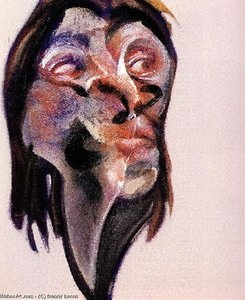
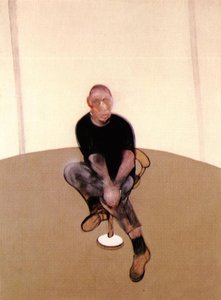
Francis Bacon’s haunting Study for a Portrait captures a moment of profound stillness amidst unsettling distortion—a masterful depiction from the mid-century British Expressionist movement inviting viewers to contemplate beauty and terror simultaneously.
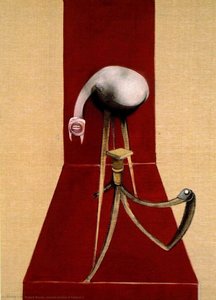
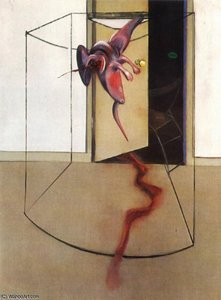
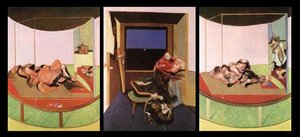
Tript. Insp. By The Oresteia Of Aeschylus, Left - Francis Bacon Painting Analysis The painting depicts a grotesque creature with an open mouth and two eyes, positioned beside a doorway featuring a hole. Francis Bacon (1909-1992), born in Dublin, Ireland, was a British painter known for his visceral depictions of human emotion and psychological torment. Influenced by Surrealism and Expressionism,
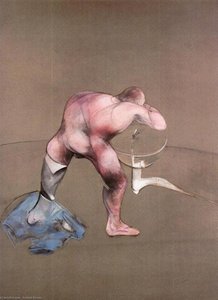
The painting depicts a naked man standing before a sink with his back turned to the viewer, embodying themes of vulnerability and isolation through expressive brushstrokes and bold colors.
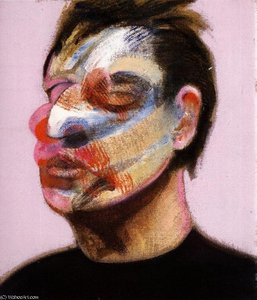
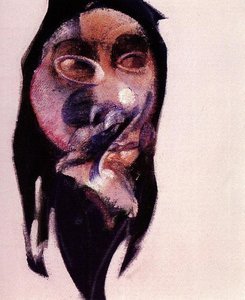
Francis Bacon’s haunting Two Studies for a Self-Portrait captures the unsettling stillness of sleep amidst grotesque clown noses and fabric masks—a visceral exploration of psychological torment emblematic of his Expressionist style and British postwar era.
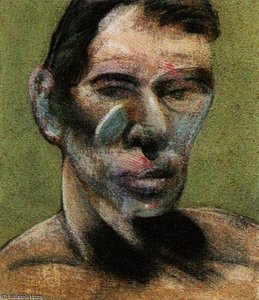
Francis Bacon’s unsettling portrait studies capture raw emotion through distorted figures against vibrant greens—a masterful depiction of vulnerability and psychological depth from the artist during his British period.
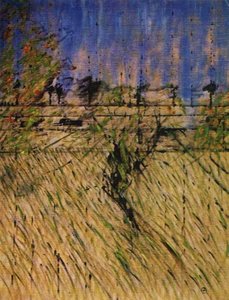
Explore Francis Bacon's haunting landscape reimagining—a visceral depiction of solitude and movement inspired by Van Gogh’s style during the postwar era. Capture the raw emotion of this iconic piece and bring its timeless beauty into your home.
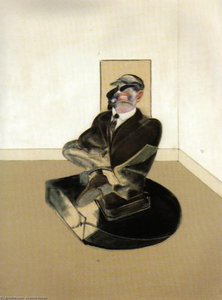
“Seated Figure” by Francis Bacon (1961) explores themes of vulnerability and psychological torment through visceral imagery—a man seated on a stool with an open mouth against a brick wall backdrop—captured in Tate Britain’s Modern and Contemporary British Art collection.
Francis Bacon’s visceral ‘Sweeney Agonistes,’ inspired by Eliot's poem, plunges viewers into existential horror with grotesque figures and jarring colors—a cornerstone of Expressionism reflecting trauma and decay.
Francis Bacon’s unsettling portrait studies capture visceral emotion through distorted figures against stark white backgrounds—a hallmark of his expressive style during the 1960s. Explore this iconic piece and bring Bacon's haunting vision into your home.