Showing 24 artworks out of more than 240+ with Francis Bacon and with Melancholic

-
Francis Bacon
-
Melancholic
Not available for this selection
- Expressionism
- Expressionist Abstraction
- Surrealism
- Expressionist Painting
- Surrealist Expression Surrealism
- Contemporary Realism
- Expressionist Portraiture
- Surrealist Expression
- Surrealism Surrealism
- Expressionist
- Expressionism Expressionism
- Expressionistic Abstraction
- Surrealist Expressionism
- Expressionist Surrealism
- Expressionist Minimalism
- Neo-Figuration
- Cubism
- Surrealist Movement
- Existential Expressionism
- Expressionist Horror
- Contemporary Expressionism
- Figurative Expressionism
- Expressionistic Surrealism
- Expressionist Distortion
- Surrealist
- See all
- Black
- Espresso
- Phthalo Green
- Gray
- Rosy Brown
- Putty
- Brown
- Quinacridone Magenta
- White
- Mahogany
- Celadon
- Cobalt Violet
- Plum
- Driftwood
- Coral
- Sap Green
- Walnut
- Clay
- Bronze
- Francis Bacon
- Expressionism
- Surrealism
- Distortion
- Painting
- Psychological Art
- Modern Art
- British Art
- Portraiture
- Dublin Artist
- Portrait Painting
- Portrait
- Irish Artist
- Anxiety
- Dark Palette
- Emotion
- Abstract Expressionism
- British Painter
- Postwar Art
- Isolation
- Oil Painting
- Bacon
- Trauma
- Figure Painting
- Expressionist Painting
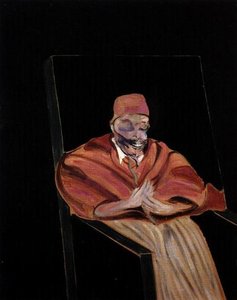
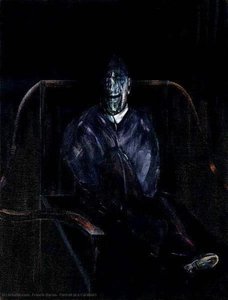
Study for a Pope IV - Francis Bacon A haunting depiction of mortality and psychological torment, this study captures the essence of Bacon's signature style – grotesque figures juxtaposed against stark backgrounds. The painting portrays a man with a skeleton face seated in a chair, embodying themes of decay and existential dread. Its unsettling imagery reflects Bacon’s preoccupation with human vul
Three Studies for Self-Portrait, Left (1974) - A haunting black and white photograph capturing Francis Bacon's introspective gaze as he contemplates his own visage.
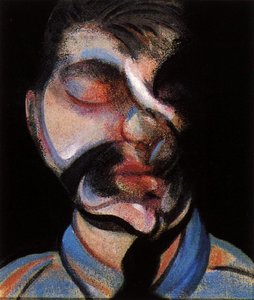
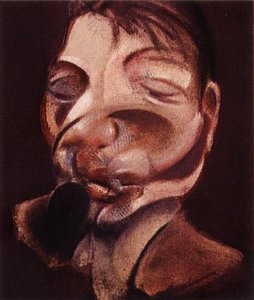
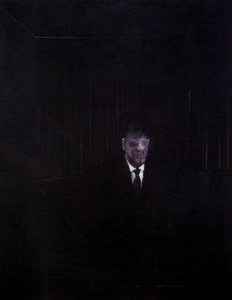
The painting depicts a man with closed eyes and a distorted face, wearing a tie. It’s an unsettling expressionist piece by Francis Bacon titled "Three Studies for Self-Portrait, 1972 Right." The composition evokes tension and unease.
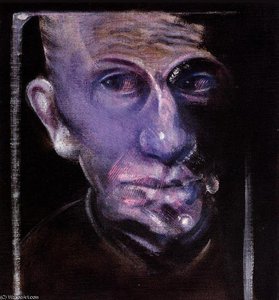
This striking black and white painting showcases Bacon’s exploration of psychological depth through expressive brushstrokes. Inspired by his connection with Ian Fleming and fellow artist Denis Wirth-Miller, the artwork delves into themes of vulnerability and intensity. Its meticulous detail reveals Bacon's signature style—a profound meditation on the human condition.
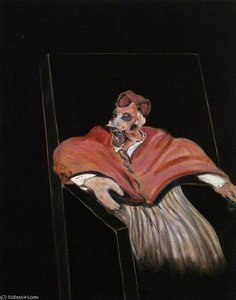
“Figure Seated (the Cardinal)” was created in 1955 by Francis Bacon in Expressionism style. Find more prominent pieces of portrait at WikiArt.org – best visual art database. Francis Bacon, a name synonymous with the rawest emotionality in 20th-century art, was born in Dublin, Ireland, in 1909, yet his artistic spirit found its truest expression within the turbulent landscape of post-war Britain. H
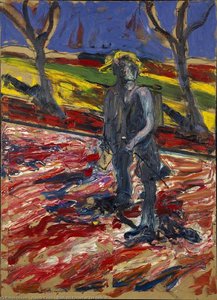
Francis Bacon's "Study for Portrait of Van Gogh III" (1957) is a haunting exploration of melancholy and introspection, blending Van Gogh’s style with Bacon’s signature distortion. A powerful modernist piece.
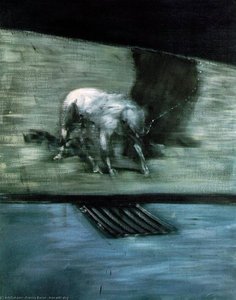
The painting depicts a man and a dog intertwined on a metal grate, embodying Bacon's exploration of vulnerability and confinement amidst a dark backdrop.
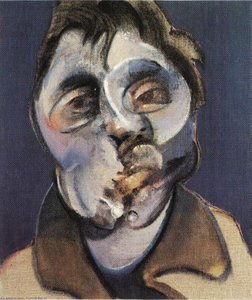
Experience the unsettling intensity of Francis Bacon's 'Self-Portrait (1969)'. A visceral exploration of alienation and anxiety through distorted forms, muted tones, & bold brushstrokes – a masterpiece of Expressionism.
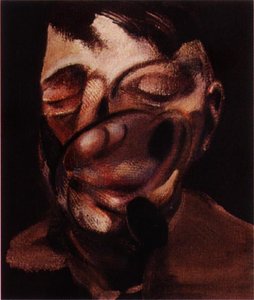
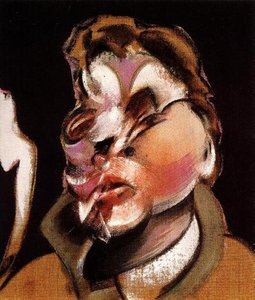
Francis Bacon’s haunting ‘Three Studies of Muriel Belcher 2’ captures a visceral expressionist portrait with a distorted figure and open mouth, reflecting the artist's raw emotionality. Explore this iconic work and bring its intensity into your space.
Two Studies for Self-Portrait, left - This haunting black and white painting by Francis Bacon depicts a man with a severely scarred face, capturing the artist's signature exploration of pain and psychological torment. A visceral portrayal of vulnerability and distortion.
The painting depicts a naked man lying on a bed with his head turned to the side, accompanied by two other figures—one near the top left corner and another on the right side of the bed—creating a composition rich in psychological depth.
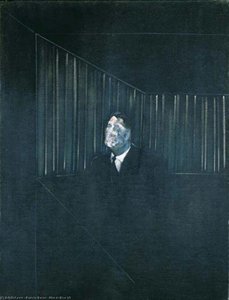
Francis Bacon's "Study for a Pope III" (1961) is a haunting monochrome study capturing existential anguish through distorted figures and stark shadows. Explore the raw emotion of this iconic Expressionist masterpiece.
Head III (1961) by Francis Bacon – A haunting black and white portrait capturing the unsettling distortion of human emotion. Explore the visceral expressionism of this iconic piece.
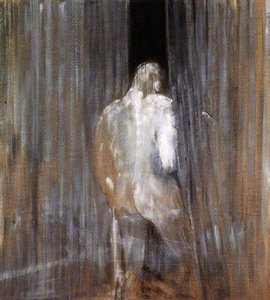
Explore Francis Bacon’s ‘Study from the Human Body,’ 1949 – a haunting oil painting of vulnerability & isolation. Expressionist textures, linear forms, & melancholic mood.
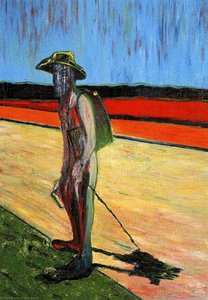
Study for a Portrait of Van Gogh V, 1957 - Francis Bacon's evocative depiction captures the melancholic beauty of a rainy day stroll with a dog companion. This unsettling portrait explores themes of solitude and vulnerability through visceral brushstrokes.
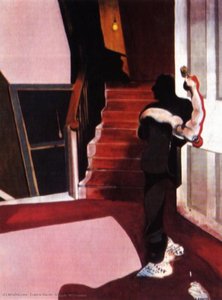
Triptych, 1971 Center - This painting depicts a solitary man on stairs before a window, holding a rope and accompanied by two figures, capturing Bacon's signature blend of psychological intensity and visceral emotion.
Francis Bacon's 'Three Studies for a Portrait (1968)' captures raw emotion and existential angst through distorted figures, reflecting the turbulent post-war era. Explore this iconic Expressionist masterpiece.
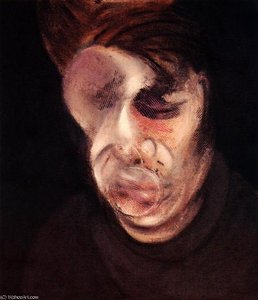
Francis Bacon’s "Three Studies for Self-Portrait" (1974) – a visceral Expressionist portrait of psychological turmoil. Thick impasto, dark tones & elongated forms evoke intense emotion.
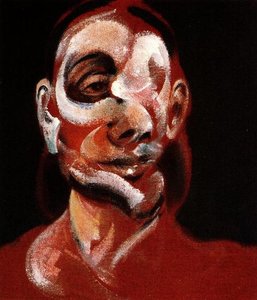
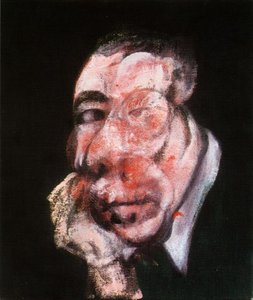
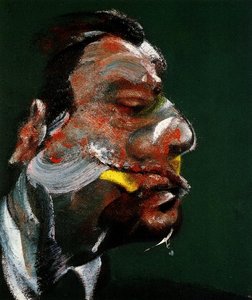
Study for Head of George Dyer, 1967 - This unsettling portrait by Francis Bacon captures the artist's signature style—a grotesque depiction of human anatomy rendered with muted colors and a palpable sense of psychological torment.
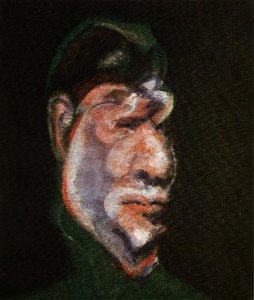
Head IV, 1961 - Francis Bacon: This Expressionist portrait by Francis Bacon depicts a distorted human head bathed in an unsettling green hue, reflecting the artist's signature style and exploring themes of psychological torment and visceral emotion.
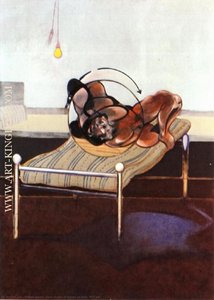
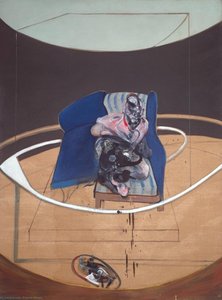
Explore Francis Bacon’s haunting ‘Study for Portrait on Folding Bed’, a masterpiece of Expressionism capturing existential angst and psychological tension through bold colors and fragmented forms.