Showing 8 artworks with Georges De La Tour and with 1630
-
Georges De La Tour
-
1630
Not available for this selection
- Phthalo Green
- Espresso
- Walnut
- Black
- Putty
Not available for this selection
- Georges De La Tour
- French Baroque
- Baroque Art
- Chiaroscuro
- 17Th Century Art
- Baroque Painting
- Dramatic Lighting
- Medieval Art
- Religious Art
- Oil On Canvas
- Louvre Museum
- Classical Painting
- Darkness And Light
- Wall Hanging
- Biblical Scene
- Religious Painting
- French Art
- Fine Art Reproduction
- Religious Scene
- Symbolic Narrative
- Religious Iconography
- Art Collector
- Portrait
- Light And Shadow
- Religious Symbolism
- Memento Mori
- Skull Symbolism
- Decorative Art
- Tenebrism
- Job Mocked By Wife
- Detail
- Darkness Light
- Flea
- Luxury Detail
- Realism
- Card Game Scene
- Psychological Drama
- Nun Saint
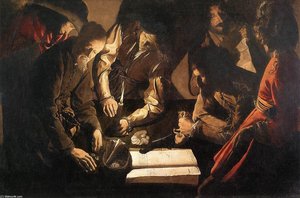
- Payment Of Dues Masterpiece
- Mystery
- Elegant Costume
- Moral Tale
- Saint Sebastian
- Tenebrism Painting
- Cheat With Ace Clubs
- Color Palette
- Biblical Art
- Tenebrism Style
- Symbolic Art
- Renaissance
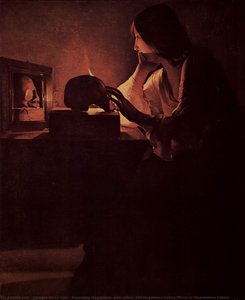
Explore Georges de La Tour's haunting masterpiece, "Repenting Magdalene," illuminated by candlelight and reflecting on mortality. Discover the symbolism of light, skull, and mirror in this iconic Baroque painting.
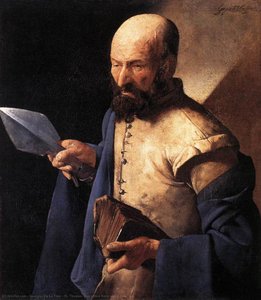
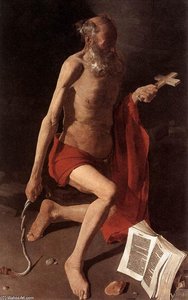
Georges de La Tour’s haunting ‘St. Thomas,’ bathed in dramatic chiaroscuro, captures the solemn contemplation of faith amidst profound darkness—a quintessential Baroque depiction by a master renowned for his evocative use of light and shadow. Explore this exquisite hand-painted reproduction.
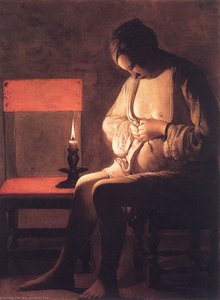
Georges de La Tour's 'Woman Catching Fleas' (1630) is a haunting Baroque portrait, masterfully capturing a moment of quiet unease and subtle drama with striking chiaroscuro lighting. Explore this enigmatic work.
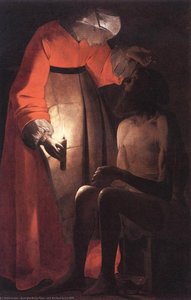
Experience the haunting beauty of Georges de La Tour’s ‘Job Mocked by His Wife,’ a masterful Baroque depiction capturing biblical drama with striking chiaroscuro and profound spiritual contemplation.
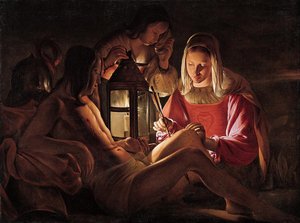
Bathed in dramatic chiaroscuro, Georges de la Tour’s St. Sebastian embodies the solemn spirituality of the Baroque era. This poignant depiction portrays a nun illuminating a tortured man with a lantern—a masterful blend of light and darkness that invites contemplation.