Showing 22 artworks with Giotto Di Bondone and with 1306 and with Accent

-
Giotto Di Bondone
-
1306
-
Accent
Not available for this selection
- Espresso
- Gray
- Driftwood
- Rosy Brown
- Quinacridone Magenta
- Sap Green
- Walnut
- Putty
- Giotto Di Bondone
- Renaissance Art
- Medieval Art
- Religious Iconography
- Early Renaissance
- Scrovegni Chapel
- Religious Art
- Fresco Painting
- Italian Art History
- Italian Painting
- Proto Renaissance
- Arena Chapel
- Perspective
- Giotto
- Cappella Scrovegni Padua
- Seven Vices
- Emotional Depth
- Last Judgment Fresco
- Padua
- Proto-Renaissance
- Last Judgment
- Padua Chapel
- Renaissance Painting
- Fresco
- Padua Italy
- Florence Painting
- Detail View
- Italy
- Renaissance Fresco
- Realism
- Early Renaissance Style
- Seven Virtues
- Scrovegni Museum
- Fresco Technique
- Religious Fresco
- Gothic Influence
- Christian Art
- Symbolism
- Gothic Style
- Gothic Art Legacy
- Symbolic Imagery
- Proto-Renaissance Style
- Religious Painting
- Biblical Scene
- Frescoes
- Cappella Scrovegni
- Color Palette
- Giotto Painting
- Virtues Painting
- Medieval Art Influence
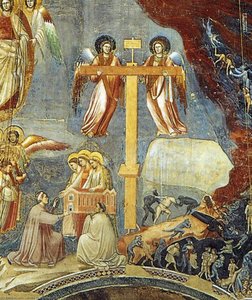
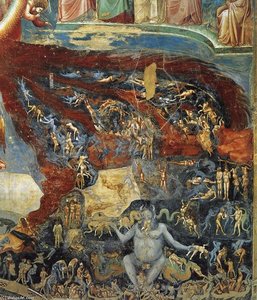
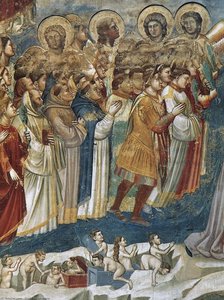
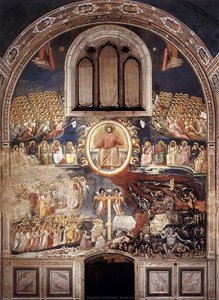
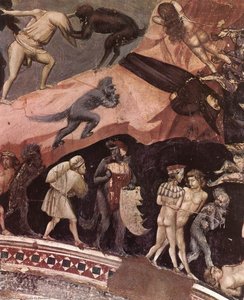
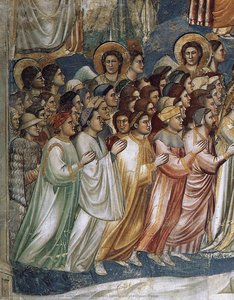
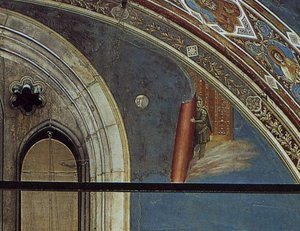
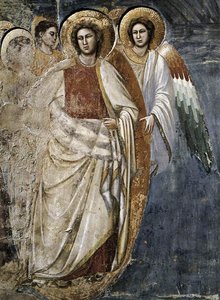
Giotto Di Bondone's Last Judgment (detail) captures the emotional depth of the Renaissance with masterful fresco technique. Explore its biblical context and significance in Padua's Cappella Scrovegni.
Explore Giotto's masterpiece - Last Judgment (detail) (24), a pivotal fresco cycle showcasing Proto-Renaissance realism and emotional depth within the Cappella Scrovegni, Padua.
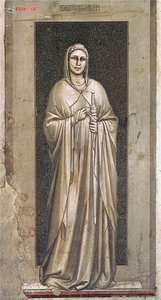
Explore Giotto’s masterpiece, ‘No. 42 The Seven Virtues: Temperance,’ a pivotal fresco depicting balance and serenity within the Cappella Scrovegni chapel—a cornerstone of Early Renaissance art.
Explore Giotto's masterpiece, the Arena Chapel! Witness vibrant frescoes depicting Christ & Mary’s lives, showcasing early Renaissance artistry and devotion.
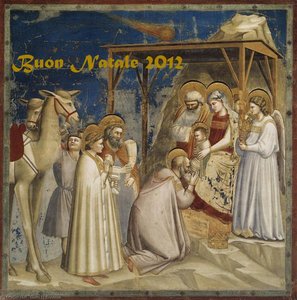
Giotto's 'Adoration of the Magi' fresco in Padua’s Arena Chapel showcases groundbreaking realism & emotion, marking a pivotal moment in Proto-Renaissance art.
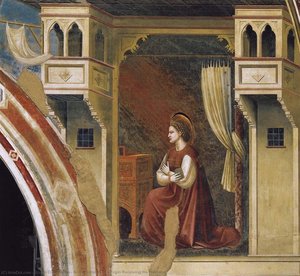
Witness Giotto's revolutionary Annunciation! This 1306 fresco showcases Proto-Renaissance innovation – perspective, realism, & emotional depth. See Mary receive Gabriel’s divine message in a masterpiece of humanism.
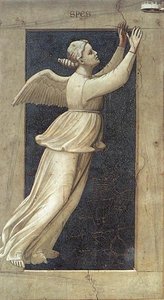
Discover Giotto’s ‘Hope,’ a masterpiece of early Renaissance art! Explore this powerful fresco from the Scrovegni Chapel & witness its innovative style & emotional depth.
Experience the profound drama of Giotto di Bondone's Last Judgment, a Proto-Renaissance masterpiece from 1306 that captures divine justice with unprecedented realism and invites you to bring this sacred history home.
The Scrovegni Chapel, Padua is a monumental achievement of early Renaissance art thanks to Giotto di Bondone’s innovative frescoes depicting the Life of Christ and Virgin Mary. Its masterful use of perspective and emotional depth revolutionized painting techniques.
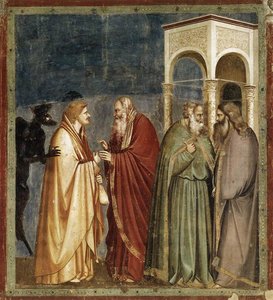
Witness Giotto's revolutionary masterpiece! "Judas Receiving Payment" captures a pivotal moment of betrayal with stunning realism & emotion. Explore Proto-Renaissance art at the Arena Chapel, Padua.
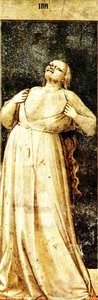
Explore Giotto’s ‘Wrath,’ a pivotal 1306 fresco masterpiece! Witness raw emotion & innovative technique in this early Renaissance artwork. Discover Padua's Scrovegni Chapel.
Born around 1267 in Florence, Italy, Giotto di Bondone revolutionized painting during the Gothic and Proto Renaissance periods. His early life is steeped in legend – a shepherd boy discovered sketching remarkably lifelike sheep on rocks...
Giotto di Bondone (c. 1267–1337) revolutionized painting with his naturalistic style and emotional depth, exemplified by the monumental frescoes of the Cappella Scrovegni in Padua. Influenced by Byzantine tradition but forging a path toward Renaissance realism, Giotto’s work profoundly impacted Western art history.
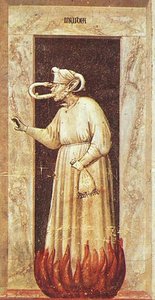
'No. 48 The Seven Vices: Envy' exemplifies Giotto’s revolutionary approach to art, capturing emotion and realism with unprecedented skill.
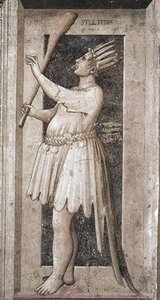
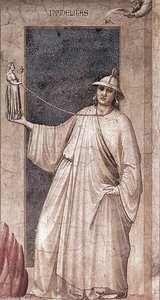
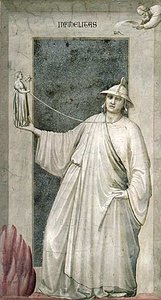
Giotto di Bondone’s “Infidelity,” painted in 1306, is a cornerstone of Proto Renaissance art. This evocative fresco depicts Faith’s transgression—a man holding an idol—against the backdrop of angelic figures and a brick wall. Located in Padua's Scrovegni Chapel, it showcases Giotto’s revolutionary realism and masterful storytelling.