Showing 8 artworks out of 56 with Giotto Di Bondone and with Melancholic
-
Giotto Di Bondone
-
Melancholic
Not available for this selection
- Espresso
- Rosy Brown
- Putty
- Quinacridone Magenta
- Gray
- Driftwood
- Bronze
- Black
- Phthalo Green
- Sap Green
- Cobalt Violet
- Walnut
- Clay
- Olive
- Giotto Di Bondone
- Giotto
- Medieval Art
- Fresco
- Renaissance Art
- Religious Art
- Scrovegni Chapel
- Renaissance
- Padua
- Early Renaissance
- Italy
- Religious Iconography
- Italian Painting
- Fresco Painting
- Christ
- Italian Art
- Italian Renaissance
- Religious Painting
- Proto-Renaissance
- Art History
- Gothic Art
- Emotional Depth
- Florence
- 14Th Century Art
- Perspective
- Emotion
- Renaissance Painting
- Painting
- Realism
- Sorrow
- Cappella Scrovegni
- Medieval Art Style
- Mourning
- Crucifix
- Lamentation
- Arena Chapel
- Tempera Painting
- Art Reproduction
- Medieval
- Emotional Realism
- Detail
- Medieval Painting
- Biblical Narrative
- Byzantine Influence
- Biblical Scene
- Grief
- Color Palette
- Mary
- Mary Magdalene
- Allegory
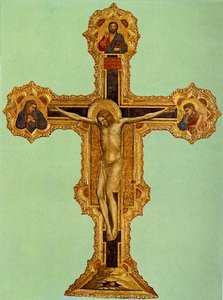
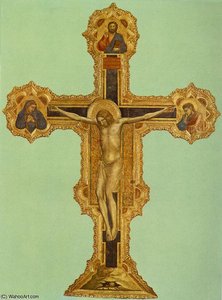
Witness Giotto's masterpiece, 'The Crucifix (Padua),' a pivotal Gothic work brimming with emotion and realism. Explore its narrative depth & innovative perspective at ArtsDot.com.
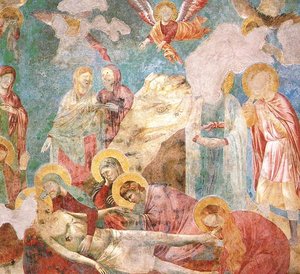
Giotto's 'Lamentation' fresco in Assisi depicts Christ's mourning with profound emotion and groundbreaking realism, marking a pivotal moment in art history.
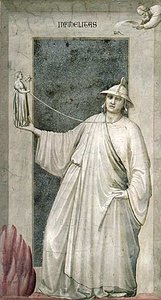
Witness Giotto's revolutionary realism in 'Scrovegni - [49] - Infidelity,' a poignant fresco from Padua’s Cappella Scrovegni. Explore the masterpiece and Giotto’s pivotal role in art history.
Giotto di Bondone’s “Infidelity,” painted in 1306, is a cornerstone of Proto Renaissance art. This evocative fresco depicts Faith’s transgression—a man holding an idol—against the backdrop of angelic figures and a brick wall. Located in Padua's Scrovegni Chapel, it showcases Giotto’s revolutionary realism and masterful storytelling.
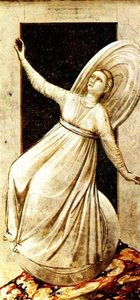
Giotto's 'Inconstancy' (1306) captures a woman reaching towards an uncertain future, embodying the vice of fickleness with striking realism and emotional depth – a pivotal work of Proto-Renaissance art.