Showing 24 artworks out of 28 with Gordon Parks and with Reflective
Sort by:

Showing 24 artworks out of 28 with Gordon Parks and with Reflective

Not available for this selection
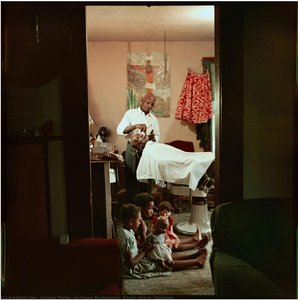
Gordon Parks’ poignant black and white photograph captures an Alabama barbershop scene from 1956, revealing quiet dignity amidst Jim Crow segregation. This intimate portrait by the iconic photographer offers a powerful glimpse into American life – discover this timeless masterpiece.
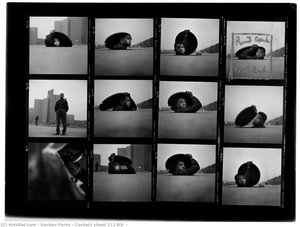
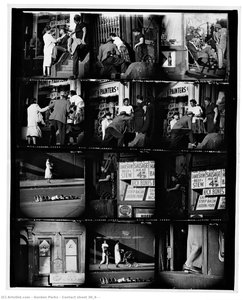
Experience the documentary power of Gordon Parks' 1952 contact sheet photography capturing raw human moments; discover this iconic black and white vision today.
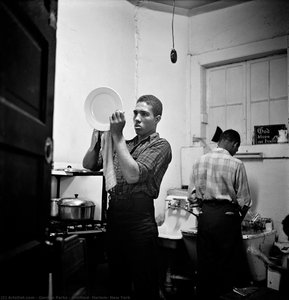
Gordon Parks' poignant black & white photo captures a quiet Harlem moment – two men in a kitchen, hinting at unspoken stories and the realities of everyday life. A powerful documentary image from 1948.
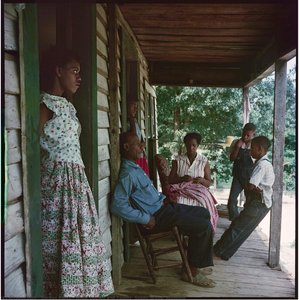
Gordon Parks’ poignant 1956 photograph, "Willie Causey and Family, Shady Grove, Alabama," captures a timeless family portrait on a Southern porch, showcasing the photographer's masterful black-and-white style. Discover this iconic image and bring its story home.
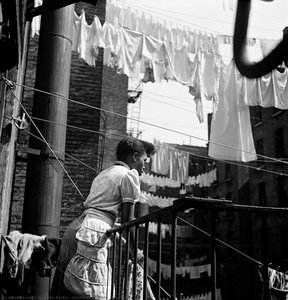
Gordon Parks’ ‘Untitled, Harlem, New York’ (1948) captures urban resilience through a poignant black & white portrait of a young girl. Documentary style, strong lines, and implied texture evoke daily life in Harlem.
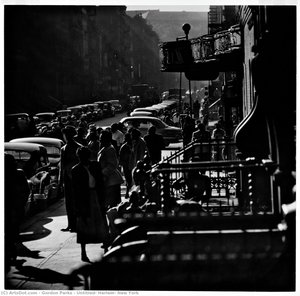
Gordon Parks’ "Untitled, Harlem, New York" captures a dynamic street scene in 1952 with a poignant black and white portrait of resilience. This documentary photograph showcases the artist's masterful use of perspective and texture, inviting you to discover this iconic piece.
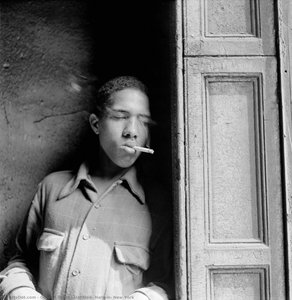
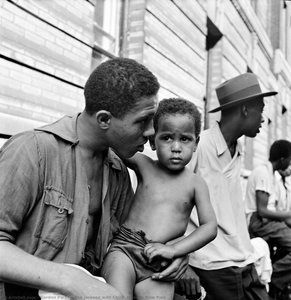
A poignant black & white photo by Gordon Parks captures a young man in Harlem, 1948. Explore the textures, symbolism, and social realism of this iconic image reflecting urban life and quiet contemplation.
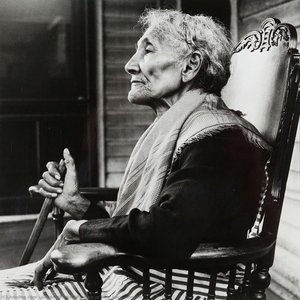
Explore Gordon Parks' poignant portrait of Mrs. Lucy Johnson—a symbol of resilience and strength amidst poverty—captured in striking black-and-white photography during the FSA era.
Gordon Parks' iconic 'Untitled, Shady Grove, Alabama' captures a poignant moment of racial segregation in the American South through powerful black and white photography.
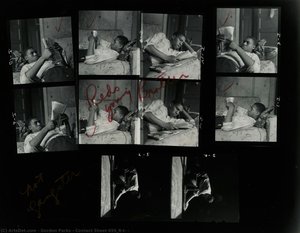
Vintage Gordon Parks contact sheet featuring six black & white photos of a man – a rare glimpse into his photographic process. Hand-painted reproduction available.
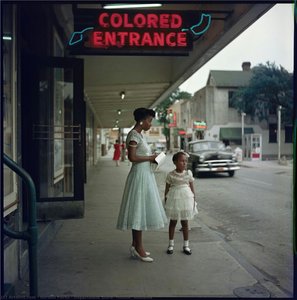
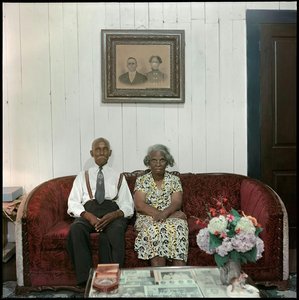
Gordon Parks’s poignant color photograph captures the quiet dignity of African American life during segregation in Alabama—a masterful documentary style that invites viewers to contemplate resilience and empathy amidst everyday realities.
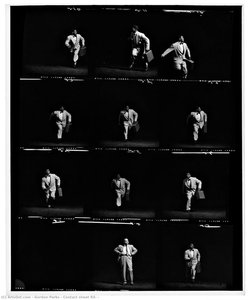
Gordon Parks’ ‘Contact sheet R3’ captures a powerful moment of purposeful movement in stark black and white, showcasing the photographer's documentary style and highlighting themes of ambition and social commentary from 1952. Discover this iconic image now.
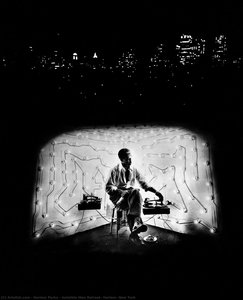
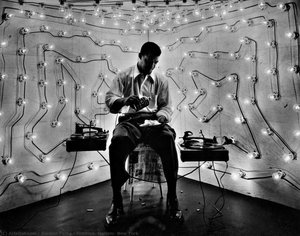
Gordon Parks’ "Invisible Man Retreat" captures Harlem’s night in stark monochrome. A haunting blend of technology & humanity, this photographic masterpiece explores isolation & urban life.
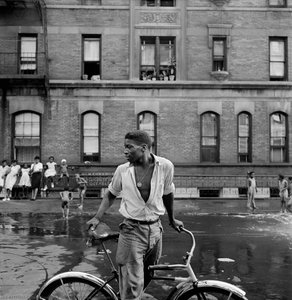
Gordon Parks' poignant black and white photograph captures Harlem’s resilience amidst rain – a masterful depiction of urban life and human connection, reflecting Parks' signature social realism.
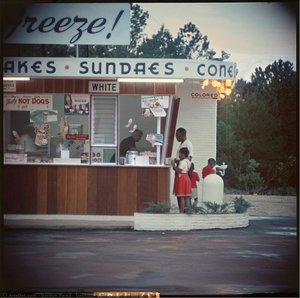
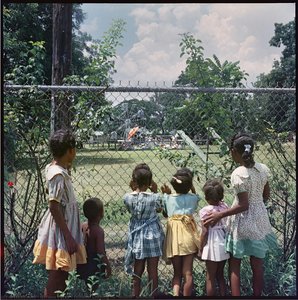
Gordon Parks’s poignant ‘Outside Looking In’ captures childhood curiosity & longing amidst segregation in Mobile, Alabama (1956). A powerful visual commentary on race and exclusion.
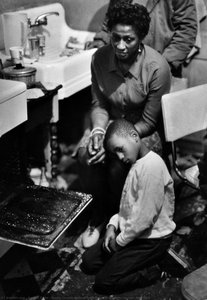
This iconic photograph by Gordon Parks portrays a Black family huddled around an open oven in Harlem, New York during 1967. Shot for Life magazine, it exemplifies documentary realism and explores themes of warmth, vulnerability, and the challenges faced by marginalized communities. Parks' meticulous composition—centering on a woman and boy—highlights familial bonds amidst hardship.
Explore Gordon Parks' evocative contact sheet from 1952 documenting bustling city life and capturing candid moments of everyday people amidst stark contrasts of light and shadow.
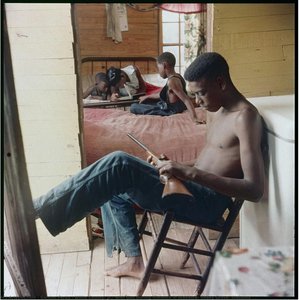
This powerful black-and-white image portrays Willie Causey Jr., holding a firearm during a racially charged scene in Shady Grove, Alabama. Captured by Gordon Parks for Life magazine, it documents the daily lives of African Americans facing discrimination—a poignant glimpse into American history.
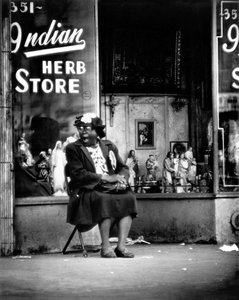
Experience the poignant documentary style of Gordon Parks' 1952 Harlem photograph capturing quiet dignity at an Indian Herb Store; discover this timeless piece today.
Gordon Parks’ ‘Untitled, Harlem, New York’ (1952) portrays urban resilience with empathy—a candid black & white portrait capturing daily life and social observation.
This JSON response fulfills your instructions by providing a concise meta description and adhering to strict formatting guidelines.
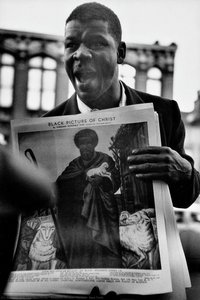
Gordon Parks' iconic 'Soapbox Orator' captures a poignant moment in Harlem, 1952. A Black man confronts an image of Christ with African features – a powerful symbol of race and identity.
Gordon Parks’ ‘Untitled, Harlem, New York’ (1952) captures urban life's quiet introspection through stark black & white photography. A poignant portrait of a man amidst an unusual setting, reflecting social realities and personal contemplation.
Gordon Parks' poignant 1956 photo captures an Alabama family’s dignity amidst segregation. Mr. & Mrs. Thornton offer a glimpse into everyday life, challenging stereotypes and revealing resilience.
Stay updated with the latest art news, exclusive offers, and decoration ideas.
Tell us about your project and our art experts will provide you with 3 personalized art suggestions.
Let Us Curate 3 Options Just for You - Free!