Showing 17 artworks with Gordon Parks and with Black And White Photography
-
Gordon Parks
-
Black And White Photography
Not available for this selection
- Black
- Espresso
- Putty
- Phthalo Green
- Sap Green
- Gray
- Gordon Parks
- Documentary Photography
- Gordon Parks Photography
- Photography
- Civil Rights Era Art
- Civil Rights Era
- African American Art
- Documentary Style
- Gordon Parks Prints
- Black And White
- Harlem Photography
- Gift For Art Lovers
- Social Realism
- Black And White Portrait
- Civil Rights
- Photojournalism Art
- Black And White Photo Print
- Mid-Century Photo Art
- Urban Life
- Resilience Art
- Black And White Prints
- Documentary Photography Art
- Documentary
- Racism In America
- African American Heritage
- Social Commentary
- Documentary Fine Art
- Vintage Contact Sheet
- Directional Lighting Art
- Alabama Segregation Story
- Gordon Parks Foundation
- African American Artist
- Grayscale Wall Art
- Social Commentary Decor
- Vintage Portrait Art
- Harlem Life Photography
- Film Noir Style
- Postwar Photography
- Surreal Elements
- Black And White Photo
- African American History
- Civil Rights Art
- Emerging Subject Art
- Experimental Portrait
- Muhammad Ali Portrait
- Human Figures
- Vintage Street Scene
- Urban Documentary
- Vintage Barber Shop
- Citadel Of Hope Print
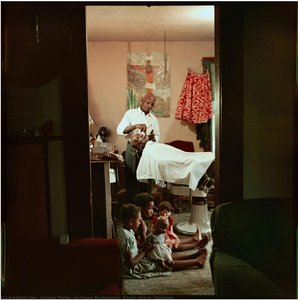
Gordon Parks’ poignant black and white photograph captures an Alabama barbershop scene from 1956, revealing quiet dignity amidst Jim Crow segregation. This intimate portrait by the iconic photographer offers a powerful glimpse into American life – discover this timeless masterpiece.
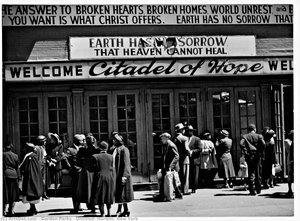
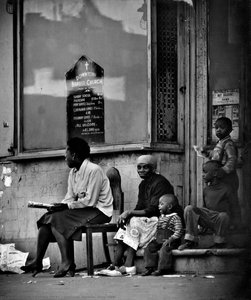
Gordon Parks’ "Untitled, Harlem, New York" captures a poignant 1952 scene of resilience within the ‘Citadel of Hope,’ showcasing stark black and white photography and evoking community faith amidst hardship – discover this iconic image.
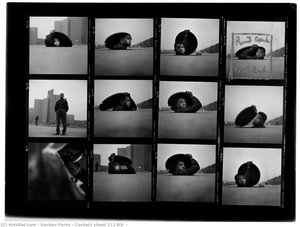
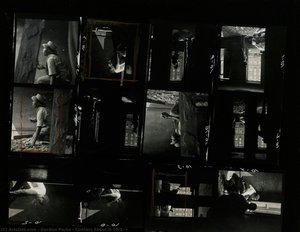
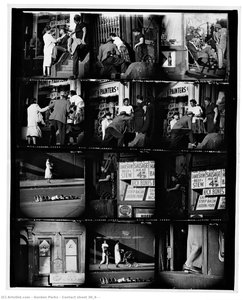
Experience the documentary power of Gordon Parks' 1952 contact sheet photography capturing raw human moments; discover this iconic black and white vision today.
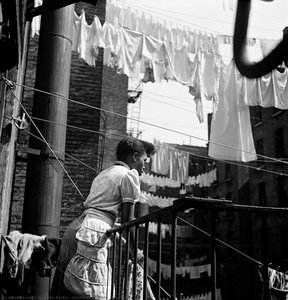
Gordon Parks’ ‘Untitled, Harlem, New York’ (1948) captures urban resilience through a poignant black & white portrait of a young girl. Documentary style, strong lines, and implied texture evoke daily life in Harlem.
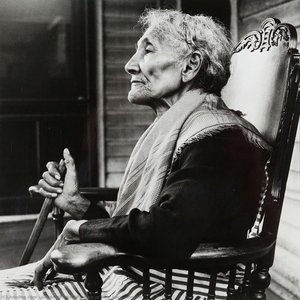
Explore Gordon Parks' poignant portrait of Mrs. Lucy Johnson—a symbol of resilience and strength amidst poverty—captured in striking black-and-white photography during the FSA era.
Gordon Parks’s ‘Contact Sheet R-10-1’ captures a poignant 1948 Harlem scene of a boy and his mother, showcasing documentary photography's power. Explore this iconic FSA project image and its historical significance – perfect for art lovers.
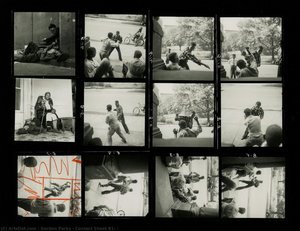
Explore Gordon Parks' iconic Contact Sheet B1 from "Gang Wars in Harlem," capturing candid moments of urban life during the 1940s with his signature documentary style.
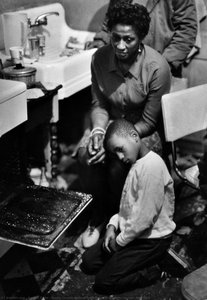
This iconic photograph by Gordon Parks portrays a Black family huddled around an open oven in Harlem, New York during 1967. Shot for Life magazine, it exemplifies documentary realism and explores themes of warmth, vulnerability, and the challenges faced by marginalized communities. Parks' meticulous composition—centering on a woman and boy—highlights familial bonds amidst hardship.
Explore Gordon Parks' evocative contact sheet from 1952 documenting bustling city life and capturing candid moments of everyday people amidst stark contrasts of light and shadow.
Experience the stark intimacy of Gordon Parks' 1966 black and white portrait capturing Muhammad Ali's contemplative focus; own this powerful piece of Civil Rights history.
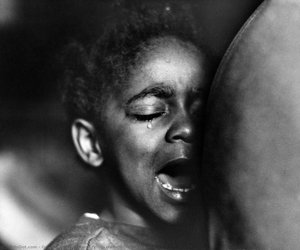
Experience the raw emotion of Gordon Parks' 1967 photojournalism masterpiece, Ellen Crying, capturing profound resilience amidst struggle; own this powerful piece of American history.
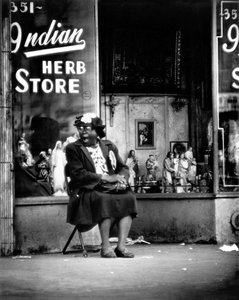
Experience the poignant documentary style of Gordon Parks' 1952 Harlem photograph capturing quiet dignity at an Indian Herb Store; discover this timeless piece today.
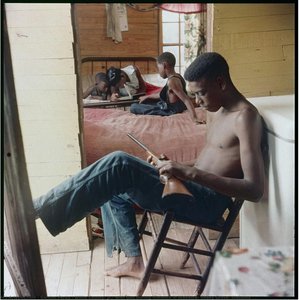
This powerful black-and-white image portrays Willie Causey Jr., holding a firearm during a racially charged scene in Shady Grove, Alabama. Captured by Gordon Parks for Life magazine, it documents the daily lives of African Americans facing discrimination—a poignant glimpse into American history.
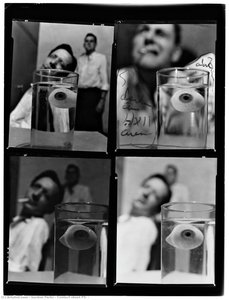
Explore the surreal monochrome gaze of Gordon Parks' Contact sheet P5 (1952), featuring an unsettling floating eyeball study; discover this evocative piece today.
Gordon Parks’ ‘Untitled, Harlem, New York’ (1952) portrays urban resilience with empathy—a candid black & white portrait capturing daily life and social observation.
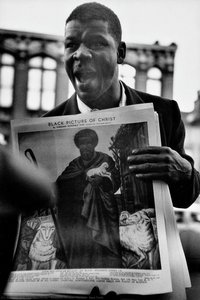
Gordon Parks' iconic 'Soapbox Orator' captures a poignant moment in Harlem, 1952. A Black man confronts an image of Christ with African features – a powerful symbol of race and identity.
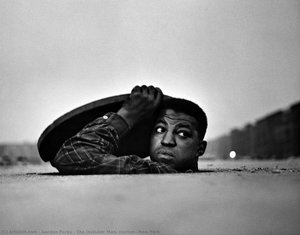
Experience the dramatic chiaroscuro of Gordon Parks' 1952 photo portrait, capturing a mysterious emergence from Harlem life; discover this iconic piece today.