Showing 24 artworks out of 83 with Gordon Parks

-
Gordon Parks
Not available for this selection
- Black
- Espresso
- Putty
- Phthalo Green
- Gray
- Rosy Brown
- Celadon
- Sap Green
- Gordon Parks
- Photography
- Black And White
- Documentary
- Gordon Parks Photography
- Portrait
- Harlem
- Documentary Photography
- Urban Life
- African American Art
- Social Commentary
- Resilience
- 1948
- Urban
- Civil Rights
- Harlem Photography
- Alabama
- Black And White Print
- 1952
- Social Realism
- Street Scene
- 1956
- Harlem Street Scene
- Texture
- Vintage
- American Life
- Segregation
- Civil Rights Era Art
- Gift For Art Lovers
- American Art
- Black And White Portrait
- Documentary Style
- New York
- Family
- Civil Rights Era
- Black And White Photo
- 1952 Photography
- Documentary Art
- Civil Rights Imagery
- Gordon Parks Style
- Street Photography
- Dynamic
- Man
- Children
- Monochrome
- Gordon Parks Prints
- Candid
- Midcentury Modern
- American History
- Observation
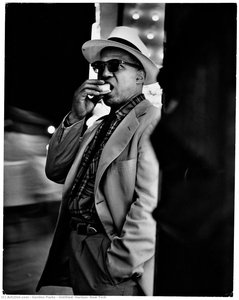
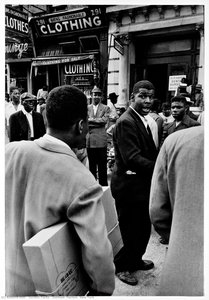
Gordon Parks' 'Untitled, Harlem, New York' (1952) captures urban life’s quiet resilience through a stark black & white portrait of a man on the street. A poignant image reflecting social commentary and American identity.
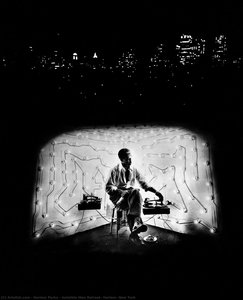
Gordon Parks’ "Invisible Man Retreat" captures Harlem’s night in stark monochrome. A haunting blend of technology & humanity, this photographic masterpiece explores isolation & urban life.
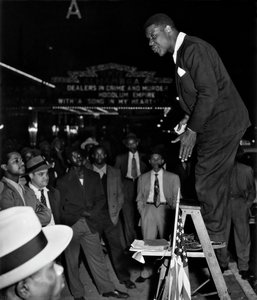
Gordon Parks’ iconic 1952 photo captures Harlem's energy & social commentary. A black-and-white image of a man addressing a crowd, reflecting the era's struggles and hope. #GordonParks #Harlem #Photography
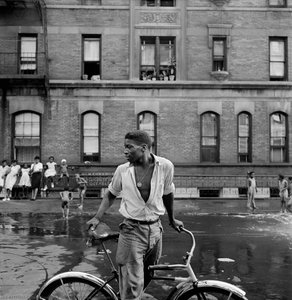
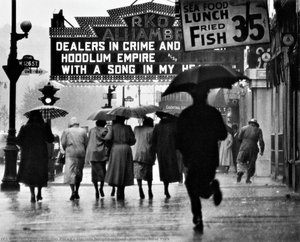
Gordon Parks' poignant black and white photograph captures Harlem’s resilience amidst rain – a masterful depiction of urban life and human connection, reflecting Parks' signature social realism.
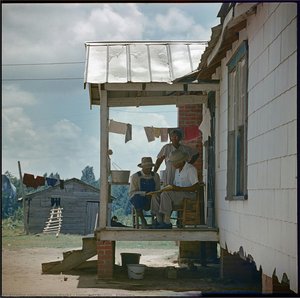
Gordon Parks' iconic black and white photo captures everyday life in rural Alabama (1956). Witness a poignant moment of community, dignity, and the realities of segregation through this powerful image.
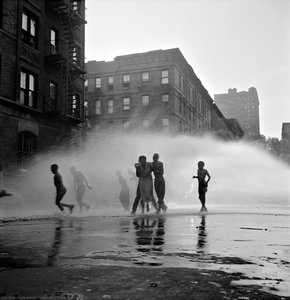
Experience the vibrant energy of Harlem through Gordon Parks' iconic black and white photograph capturing children joyfully playing with water spraying from a fire hydrant – a timeless testament to resilience and community.
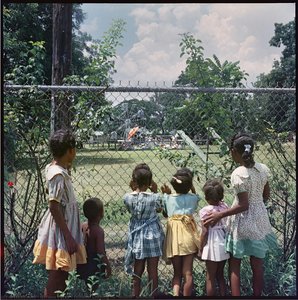
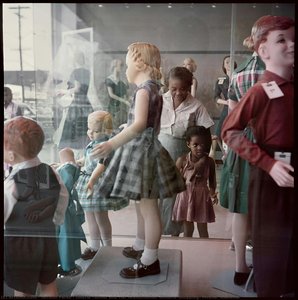
Gordon Parks’s poignant ‘Outside Looking In’ captures childhood curiosity & longing amidst segregation in Mobile, Alabama (1956). A powerful visual commentary on race and exclusion.
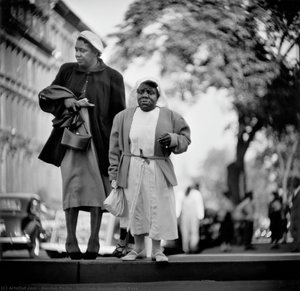
Gordon Parks’ ‘Untitled, Harlem, New York’ (1952) captures poignant urban life through documentary photography. Explore resilience & community in this iconic black & white image.
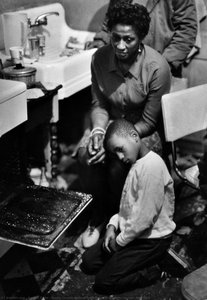
This iconic photograph by Gordon Parks portrays a Black family huddled around an open oven in Harlem, New York during 1967. Shot for Life magazine, it exemplifies documentary realism and explores themes of warmth, vulnerability, and the challenges faced by marginalized communities. Parks' meticulous composition—centering on a woman and boy—highlights familial bonds amidst hardship.
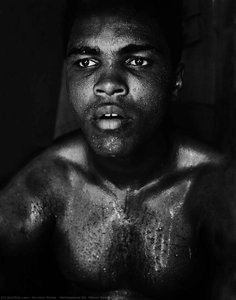
Gordon Parks’ iconic black & white portrait of Muhammad Ali captures raw power & determination. A seminal image of resilience & strength – explore this powerful documentary photograph.
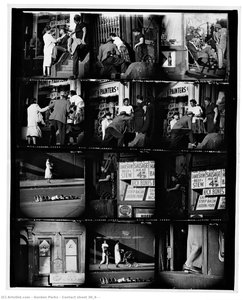
Explore Gordon Parks' evocative contact sheet from 1952 documenting bustling city life and capturing candid moments of everyday people amidst stark contrasts of light and shadow.
Experience the stark intimacy of Gordon Parks' 1966 black and white portrait capturing Muhammad Ali's contemplative focus; own this powerful piece of Civil Rights history.
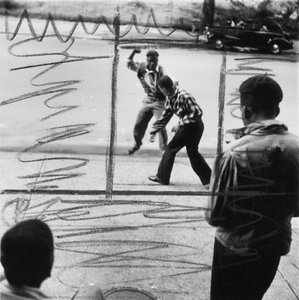
Gordon Parks' iconic 1948 photo captures a Harlem baseball game through a window, revealing social observation and urban life’s timeless charm. A poignant documentary piece by a legendary artist.
Gordon Parks' poignant 1956 photo captures Ondria Tanner and her grandmother window-shopping in Mobile, Alabama – a glimpse into everyday life during the Civil Rights era.
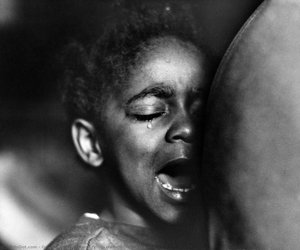
Experience the raw emotion of Gordon Parks' 1967 photojournalism masterpiece, Ellen Crying, capturing profound resilience amidst struggle; own this powerful piece of American history.
Gordon Parks’s evocative black and white photograph "Harlem Neighborhood" captures the resilience of urban life in 1952 Harlem with a dynamic composition and masterful use of light, offering a timeless glimpse into American social realism – discover this iconic piece.
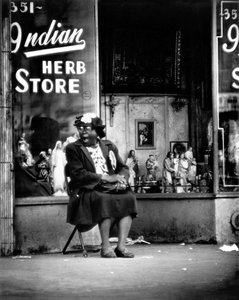
Experience the poignant documentary style of Gordon Parks' 1952 Harlem photograph capturing quiet dignity at an Indian Herb Store; discover this timeless piece today.
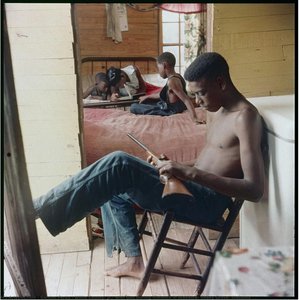
This powerful black-and-white image portrays Willie Causey Jr., holding a firearm during a racially charged scene in Shady Grove, Alabama. Captured by Gordon Parks for Life magazine, it documents the daily lives of African Americans facing discrimination—a poignant glimpse into American history.
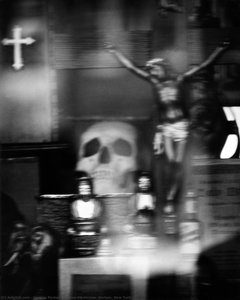
Explore Gordon Parks' poignant 'Window/Mysticism, Harlem, New York,' a black and white photograph capturing the solemn beauty of religious symbolism amidst urban life in 1952.
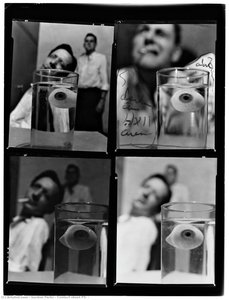
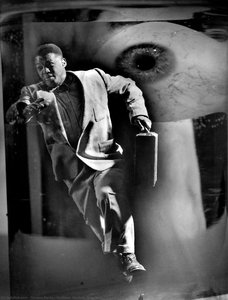
Explore the surreal monochrome gaze of Gordon Parks' Contact sheet P5 (1952), featuring an unsettling floating eyeball study; discover this evocative piece today.
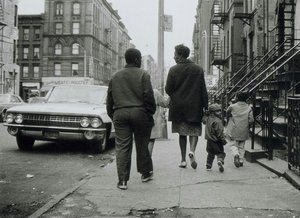
Gordon Parks' 'Untitled, Harlem, New York' captures poignant urban life through a powerful black & white photograph of a family navigating the streets. A testament to resilience and community.
Gordon Parks’ ‘Untitled, Harlem, New York’ (1952) captures urban life's urgency & resilience. A dynamic black & white photo featuring a man and an unsettling eye. Documentary style, surreal elements.
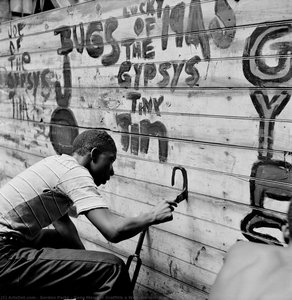
Gordon Parks' iconic 1948 photo captures Harlem gang life—a poignant glimpse into urban America through the lens of a pioneering photographer. Explore social justice and street art.
Gordon Parks’ ‘Untitled, Harlem, New York’ (1952) captures urban urgency & resilience. A dynamic black & white photo featuring a man and an unsettling eye. Documentary style, surreal elements.