Showing 24 artworks out of 61 with Hieronymus Bosch and with Tall

-
Hieronymus Bosch
-
Tall
Not available for this selection
- Northern Renaissance
- Late Medieval Symbolism
- Late Gothic
- Early Netherlandish Painting
- Renaissance Surrealism
- Surrealist Symbolism
- Late Medieval
- Early Netherlandish Renaissance
- Surrealist Movement
- Early Netherlandish Surrealism
- Northern Renaissance Surrealism
- Other
- Renaissance
- Renaissance Mannerism
- Early Netherlandish Art
- Renaissance Symbolism
- Early Netherlandish Symbolism
- Early Netherlandish Painting
- Baroque Mannerism
- Late Medieval Religious Art
- See all
- Espresso
- Phthalo Green
- Driftwood
- Black
- Walnut
- Rosy Brown
- Quinacridone Magenta
- Clay
- Bronze
- Putty
- Olive
- Gray
- Mahogany
- Hieronymus Bosch
- Symbolism
- Medieval Art
- Renaissance Art
- Northern Renaissance
- Bosch
- Oil Painting
- Surrealism
- Religious Art
- Netherlandish
- Bosch Painting
- Triptych
- Medieval
- Renaissance
- Bosch Style
- Renaissance Painting
- Symbolic Imagery
- Religious Iconography
- Religious Symbolism
- Dutch Painter
- Painting
- Dutch Painting
- Memento Mori
- Detail
- Oil On Panel
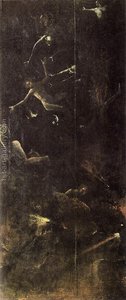
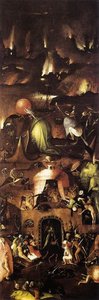
Bosch’s haunting Fall of the Damned plunges viewers into a terrifying vision of Hell—a meticulously detailed depiction by the Dutch Renaissance master showcasing grotesque figures spiraling downwards into an abyss, inviting contemplation on morality and artistic brilliance.
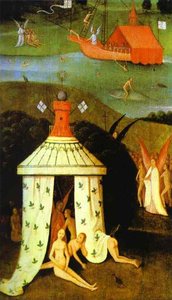
Paradise by Hieronymus Bosch depicts an idyllic scene populated with angels and humans engaged in playful activities within a fantastical dome-like structure, capturing the essence of earthly paradise.
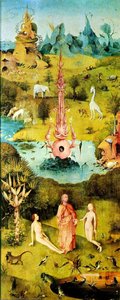
Explore Hieronymus Bosch's 'Haywain Left Wing,' a surreal Renaissance triptych panel depicting the Creation and Fall of Man. A captivating blend of religious allegory, symbolism, and fantastical imagery.
Hieronymus Bosch’s *Haywain* plunges you into a disturbing Netherlandish scene of naked pilgrims and grotesque figures, reflecting medieval anxieties. This iconic 15th-century panel painting explores themes of sin and salvation – discover this masterpiece.
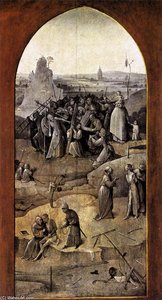
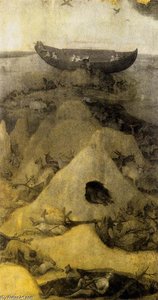
Experience the chaotic hellscape of Hieronymus Bosch's Triptych of Last Judgement, a haunting Northern Renaissance masterpiece filled with surreal symbolism and intense imagery that you can bring to your collection.
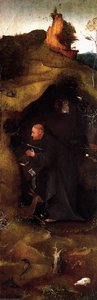
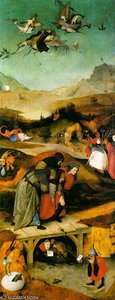
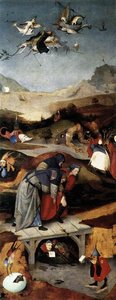
Explore Hieronymus Bosch’s haunting ‘Temptation of Saint Anthony,’ a surreal triptych exploring spiritual struggle & dark fantasy symbolism within Northern Renaissance art.
Bosch’s haunting ‘Temptation of St. Anthony,’ painted in 1506, confronts viewers with surreal horror—a meticulously detailed monochrome triptych exploring psychological torment and foreshadowing Surrealism's dreamlike vision. Explore Hieronymus Bosch’s visionary masterpiece and bring its unsettling beauty into your home.
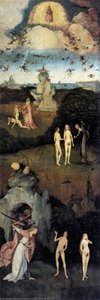
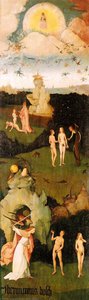
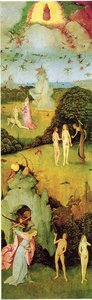
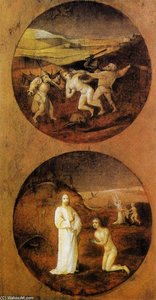
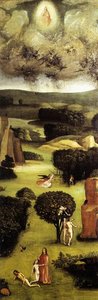
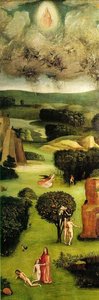
Witness Bosch's visionary 'Triptych of Last Judgement.' Explore the left wing’s Eden scene – God’s creation, Eve’s temptation, and a glimpse into eternal judgment. A masterpiece of surrealism & symbolism.
Explore Hieronymus Bosch’s ‘Last Judgement’! A complex, fantastical triptych brimming with symbolism & Gothic detail. Discover this unique masterpiece of the Northern Renaissance.
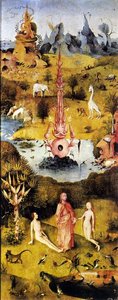
Explore Hieronymus Bosch’s ‘The Garden of Earthly Delights,’ a mesmerizing Renaissance triptych brimming with bizarre creatures and unsettling symbolism. This detailed depiction invites you into a world of fantastical beauty, perfect for art lovers seeking a unique masterpiece.
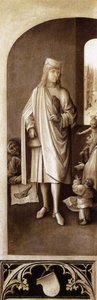
Explore Hieronymus Bosch's 'Triptych of Last Judgement (right outer wing)' - A surreal depiction of divine judgment and earthly temptation, showcasing Bosch’s masterful technique & reflecting the Early Netherlandish art movement.
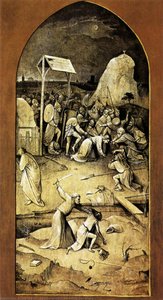
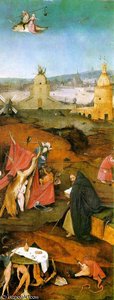
Hieronymus Bosch’s ‘Temptation of St Anthony’ right wing plunges viewers into a desolate landscape teeming with grotesque creatures and unsettling symbolism from the 1501 triptych. Explore this iconic Renaissance masterpiece and bring its haunting beauty home.
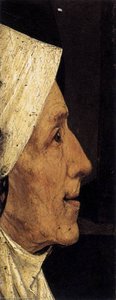
An unsettling monochrome portrait featuring a woman's enigmatic gaze by Hieronymus Bosch captures the profound religious anxieties of the late fifteenth century, inviting you to explore this hauntingly beautiful fragment.